

Tom Gunton: In addition to losing money if the pipeline is built, Canadian taxpayers will be liable for environmental damages from the pipeline.
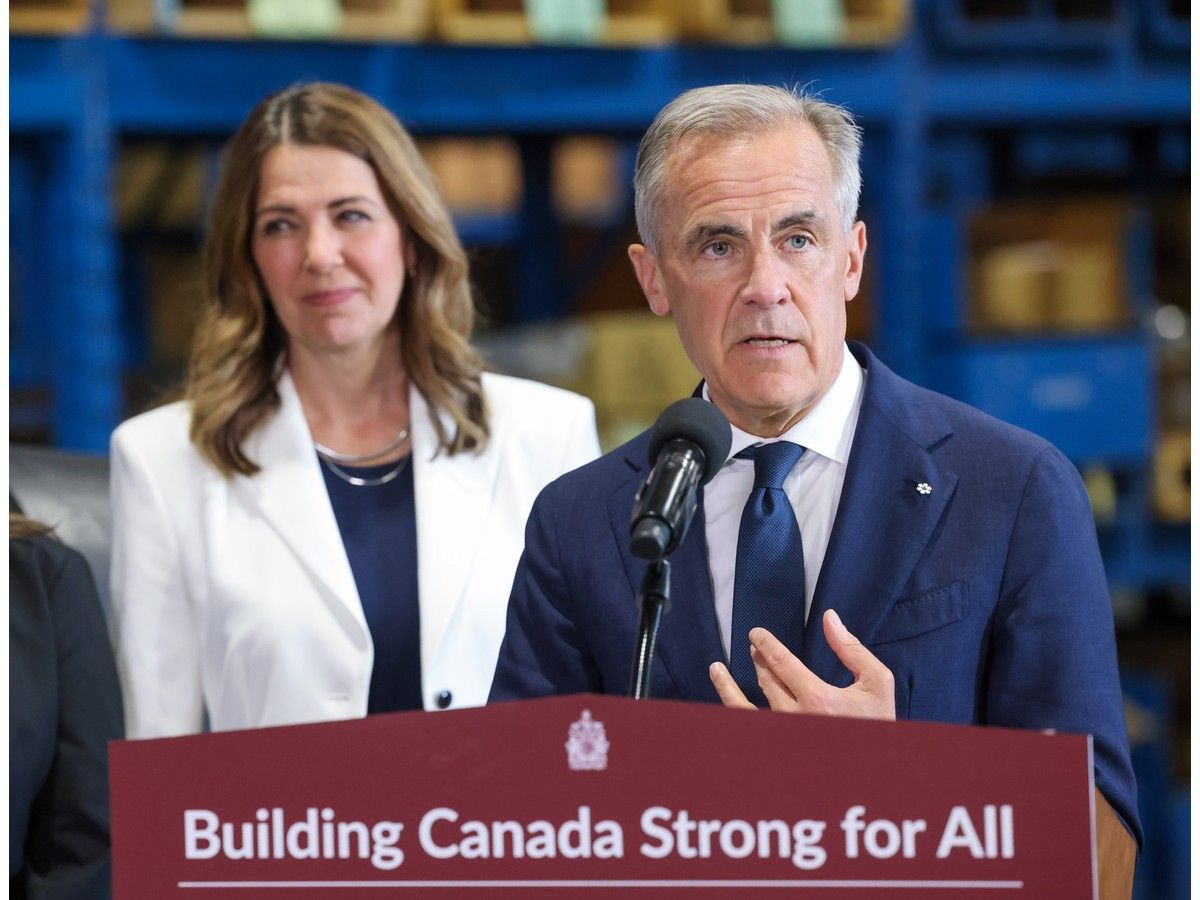
The agreement between Canada and B.C. to fund infrastructure and skills training to support private sector investment is good news for British Columbians. It acknowledges B.C.’s role as the host of major private sector projects in critical minerals and energy development that will strengthen the economy over the next decade. But the deal between Canada and Alberta to build a new pipeline through B.C. isn’t good news because it will result in taxpayers losing money on a project that private industry will not build because it’s too risky.
Why are Canadian taxpayers being asked to pay over $2,000 per household to finance a multibillion-dollar pipeline for the highly profitable oil industry? Alberta’s answer is that public funds are required because regulatory uncertainty discourages private investment. But the fact that the Carney government has streamlined the approval process and other pipeline companies such as Enbridge have been building new pipelines without any taxpayer support shows this explanation has no merit.
The real reason that no private company is willing to build Alberta’s pipeline is because it’s a bad investment. Oil companies know that world oil markets are weakening. Oil prices have begun to decline with the winding down of the U.S.-Iranian conflict, and the International Energy Agency forecasts a significant global oil surplus in 2027.
The agency also forecasts that oil demand growth will continue to slow and may decline over the next several decades. This view is shared by private oil companies such as BP that forecast oil demand will decline by at least 11 per cent by 2050 with the increased adoption of electric vehicles. Private investors also know that there is increased competition from other lower cost pipelines.
Currently, there are over one million barrels per day of low cost expansions available on the existing Enbridge and Trans Mountain pipelines, plus up to 1.1 million barrels per day on the proposed Keystone XL-Bridger pipeline. These expansions, which include tidewater access to world markets, are more than sufficient to accommodate the most optimistic Canadian oil production forecast without Alberta’s pipeline. This combination of weaker demand for oil and competition from lower cost pipelines means that Alberta’s proposed pipeline will be unable to attract enough oil shipments to cover its costs.
In addition to losing money if the pipeline is built, Canadian taxpayers will be liable for environmental damages from the pipeline. Risk assessments conducted by our research team estimate that the probability of a tanker spill from the Trans Mountain expansion is between 43 and 75 per cent over the operating life of the project even with improved safety measures. The new pipeline would increase the risk even more by tripling tanker traffic in the Salish Sea.
Our research also estimated that the direct costs of a tanker spill could reach close to $5 billion, much of which would be paid for by taxpayers because oil-shippers aren’t required to cover the full damages from a spill. Other costs such as the potential loss of the southern killer whale population are immeasurable. Another major environmental risk is the damage from climate change caused by the increased greenhouse-gas emissions.
A recent report from the Pembina Institute estimates that the pipeline and associated oil production could generate up to 14 mega tonnes per year of greenhouse-gas emissions, which is more than the emissions from all of the passenger vehicles driven in B.C. Asking taxpayers to fund an economically and environmentally risky pipeline project when private sector pipeline companies are already expanding to meet Alberta’s needs without taxpayer subsidies makes no sense. Hopefully the Canadian government will realize this and use the funds to support other priorities such as health care, housing and environmental protection to make lives better for all Canadians instead of building a pipeline for the oil industry that no one needs.
Thomas Gunton is professor and director of the resource and environmental planning program at Simon Fraser University and recently completed a study on oil pipelines for the International Institute for Sustainable Development. Related 'It is an outrage': FortisBC allowed to discharge more polluted water Attempt to reduce charges in Mount Polley gold-and-copper mine dam collapse fails
- Published
- Jul 15, 2026
- Updated
- Jul 15, 2026
- Source
- Vancouver Sun
- Category
- Canada
- Read time
- 3 min
Key facts
Why this matters locally
This canada story matters locally because it may affect readers, businesses, commuters, families, or public services in British Columbia.
Local impact
BC Post links this item to British Columbia coverage so readers can follow related city updates, weather, traffic, events, and category news in one place.
Timeline
Source and credit
BC Post may summarize, organize, and add local context for reader clarity. Original reporting remains with the listed publisher.
Related Articles
View all Canada
Port of Vancouver expansion project referred to Canada’s Major Projects Office
Canada
Port of Vancouver expansion project referred to Canada’s Major Projects Office
 Canada
Wildfire crews on alert as lightning arrives in parts of tinder-dry B.C.
Canada
Wildfire crews on alert as lightning arrives in parts of tinder-dry B.C.
 Canada
B.C. officials brace for increased wildfire activity from dry lightning
Canada
B.C. officials brace for increased wildfire activity from dry lightning
More Local Coverage
Latest news Local News
Cowichan sports shorts: rugby, hockey, biking
Local News
Cowichan sports shorts: rugby, hockey, biking
 Top Stories
Yukon minerals work still under review despite federal announcement
Top Stories
Yukon minerals work still under review despite federal announcement
 Top Stories
Hotel bookings during World Cup down from last year, but B.C. minister sees positives
Top Stories
Hotel bookings during World Cup down from last year, but B.C. minister sees positives