


In the 65 years that she's lived in Armstrong, Diane Laybourne has never had to be evacuated from her home town due to a raging wildfire — until late on Monday night. Laybourne, who was among about 250 people who...
In the 65 years that she’s lived in Armstrong, Diane Laybourne has never had to be evacuated from her home town due to a raging wildfire — until late on Monday night. Laybourne, who was among about 250 people who were ordered to leave the small community at the end of Highway 527 due to the approaching blaze, said she won’t soon forget the sickening smell of thick smoke as she prepared to go. “It was horrible,” Laybourne recalled on Tuesday afternoon while staying at her son’s house in Thunder Bay, where smoky air — not as bad, but still noticeable — also engulfed the city.
“Nobody knows when we can go back — it’s still windy and there’s no rain,” added Laybourne, a long-time member of Armstrong’s Local Services Board. Laybourne said it was 2:30 a.m. by the time she reached Thunder Bay. On Tuesday afternoon, the OPP advised “that three trains carrying combustible and flammable materials were stopped and staged between mile markers 20 and 23 of the Allanwater Subdivision (west of Armstrong) near Collins due to wildfire activity in the area.”
“While there is no immediate threat to public safety, emergency responders and railway officials are working together to assess conditions and support ongoing safety measures,” an OPP news release said. Armstrong barely lost its Bell telecommunications tower when a fire crossed Highway 527, before volunteers helped to put out flames near the structure, said Laybourne, who was reached on her cellphone. Along with Armstrong, Whitesand First Nation, Collins First Nation, Lac La Croix First Nation and Lac des Mille Lacs First are also under mandatory evacuation orders, according to the OPP.
It’s believed that Whitesand residents, who live a short drive from Armstrong, are staying at hotels in Thunder Bay. The evacuated communities are under threat from a series of wildfires that are burning out of control just north of Thunder Bay. The city itself is not under immediate threat, a municipal bulletin said, although small communities nearby, like Nolalu, were on evacuation alerts.
An update from Nolalu’s emergency service team on Tuesday afternoon said the situation was “stable” with no evacuation order in place. “Fire activity has shifted slightly southeast and the fires have grown in size, but their intensity has decreased,” the Nolalu department update said. “Crews are actively working the area, and waterbombers are scooping from Whitefish Lake as part of ongoing aerial suppression led by the Ministry of Natural Resources.”
According to Ontario’s Aviation, Forest Fire and Emergency Services agency, nearly 130 fires were burning across Northwestern Ontario as of Monday, with over 30 being added as of Monday night. More than 50 blazes were classifieds as not under control. Environment Canada’s website says some rain may fall on Thunder Bay, but not until Thursday and Friday.
Meanwhile, the disadvantage of living in an unorganized community, such as Armstrong, is that it lacks the ability to declare an emergency — an option maintained by both municipalities and First Nations. The difficulty, said Laybourne, is that it leaves unorganized residents feeling in limbo, unsure if they will be compensated for the cost of evacuating when an order has been declared by the province. “I’m lucky I can stay at my son’s house,” she said.
“Our thoughts are with everyone affected during this challenging time, particularly those who have been forced to leave their homes and communities,” an OPP news release said. An Emergency Preparedness and Response ministry spokeswoman didn’t immediately respond when asked about options for evacuees from unorganized areas. Meanwhile, the OPP said the following routes are closed during the evacuation and wildfire situation:
Highway 11 between highways 633 and 623; Highway 599 closed between Highway 516 and Mishkeegogamang First Nation; and Highway 527. “Avoid non-essential travel in affected areas (and) remain away from evacuated areas until authorities have advised it is safe to return,” the OPP news release said. Ministry of Natural Resources fire updates can be reached by calling 1-888-258-8842.
Weather Alert Take action to protect yourself and others – extreme heat can affect everyone’s health. Determine if you or others around you are at greater risk of heat illness. Check on older adults, those living alone and other at-risk people in-person or on the phone multiple times a day.
Watch for the early signs of heat exhaustion in yourself and others. Signs may include headache, nausea, dizziness, thirst, dark urine and intense fatigue. Stop your activity and drink water.
Heat stroke is a medical emergency! Call 9-1-1 or your emergency health provider if you, or someone around you, is showing signs of heat stroke which can include red and hot skin, dizziness, nausea, confusion and change in consciousness. While you wait for medical attention, try to cool the person by moving them to a cool place, removing extra clothing, applying cold water or ice packs around the body.
Drink water often and before you feel thirsty to replace fluids. Close blinds, or shades and open windows if outside is cooler than inside. Turn on air conditioning, use a fan, or move to a cooler area of your living space.
If your living space is hot, move to a cool public space such as a cooling centre, community centre, library or shaded park. Follow the advice of your region’s public health authority. Plan and schedule outdoor activities during the coolest parts of the day.
Limit direct exposure to the sun and heat. Wear lightweight, light-coloured, loose-fitting clothing and a wide-brimmed hat. Never leave people, especially children, or pets inside a parked vehicle.
Check the vehicle before locking to make sure no one is left behind. When there is an extreme heat event occurring with wildfire smoke, https://www.canada.ca/en/health-canada/services/publications/healthy-living/combine-wildfire-smoke-heat.html. A heat event continues.
What: Maximum temperatures of 29 to 33 degrees Celsius. Minimum temperatures of 18 to 21 degrees Celsius. Humidex values of 38 to 42.
When: Continuing today. May continue into Thursday for some areas. Additional information: Widespread wildfire smoke may limit daytime heating, leading to cooler temperatures than expected.
Hot and humid air can also bring deteriorating air quality and can result in the Air Quality Health Index approaching the high-risk category. ### For more information: https://www.canada.ca/en/health-canada/services/climate-change-health/extreme-heat/how-protect-yourself.html https://www.canada.ca/en/health-canada/services/climate-change-health/extreme-heat/who-is-at-risk.html Please continue to monitor alerts and forecasts issued by Environment Canada. To report severe weather, send an email to ONstorm@ec.gc.ca or post reports on X using #ONStorm.
Weather Alert When indoors, keep windows and doors closed as much as possible. When there is an extreme heat event occurring with poor air quality, prioritize keeping cool. Protect your indoor air from wildfire smoke.
Actions can include using the highest quality air filter that your ventilation system can handle and/or a certified portable air cleaner that can filter fine particles. If you must spend time outdoors, limit the time as much as possible. A well-constructed, well-fitting and properly worn respirator type mask (such as a NIOSH-certified N95 or equivalent respirator) can reduce your exposure to the fine particles in the smoke.
Even though exposure may be reduced, there can still be risks to health. Check in on others who are in your care or live nearby who may be more likely to be impacted by wildfire smoke. Always follow guidance from local authorities.
Learn more at https://www.canada.ca/wildfire-smoke. Smoke from wildfires in northwestern Ontario is causing very poor air quality and reduced visibility. Conditions may improve Friday morning.
### During heavy smoke conditions, everyone’s health is at risk regardless of their age or health status. Limit time outdoors. Reschedule or cancel outdoor sports, activities and events.
You may experience mild and common symptoms such as eye, nose and throat irritation, headaches or a mild cough. More serious but less common symptoms include wheezing, chest pains or severe cough. If you think you are having a medical emergency, seek immediate medical assistance.
People more likely to be impacted by wildfire smoke, including people aged 65 and older, pregnant people, infants and young children, people with an existing illness or chronic health condition, and people who work outdoors, should avoid strenuous activities outdoors and seek medical attention if experiencing symptoms. For further information visit the website https://www.airqualityontario.com/ or contact the Ontario Ministry of the Environment, Conservation and Parks at 416-314-6666. Visit http://www.airhealth.ca for information on how to reduce your health risk and your personal contribution to pollution levels, as well as for current and forecast AQHI values.
Please continue to monitor alerts and forecasts issued by Environment Canada.
- Published
- Jul 15, 2026
- Updated
- Jul 15, 2026
- Source
- The Record
- Category
- Environment
- Read time
- 6 min
Key facts
Why this matters locally
This environment story matters locally because it may affect readers, businesses, commuters, families, or public services in British Columbia.
Local impact
BC Post links this item to British Columbia coverage so readers can follow related city updates, weather, traffic, events, and category news in one place.
Timeline
Source and credit
BC Post may summarize, organize, and add local context for reader clarity. Original reporting remains with the listed publisher.
Related Articles
View all Environment
Metro Vancouver issues air quality warning as wildfire smoke drifts in
Environment
Metro Vancouver issues air quality warning as wildfire smoke drifts in
 Environment
A powerful movement of healing arrives at Delta’s Discovery Centre
Environment
A powerful movement of healing arrives at Delta’s Discovery Centre
 Environment
Vancouver forecast in 'sweet spot' but hot temperatures on the way
Environment
Vancouver forecast in 'sweet spot' but hot temperatures on the way
 Environment
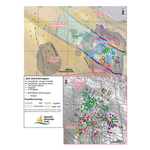
Spanish Mountain Gold Reports 69.20 Metres of 0.74 g/t Gold and 77.85 Metres of 0.70 g/t Gold as Part of Its Feasibility Study Drill Program
Environment
Spanish Mountain Gold Reports 69.20 Metres of 0.74 g/t Gold and 77.85 Metres of 0.70 g/t Gold as Part of Its Feasibility Study Drill Program
 Environment
Mark Carney's new climate doctrine
Environment
Mark Carney's new climate doctrine
 Environment
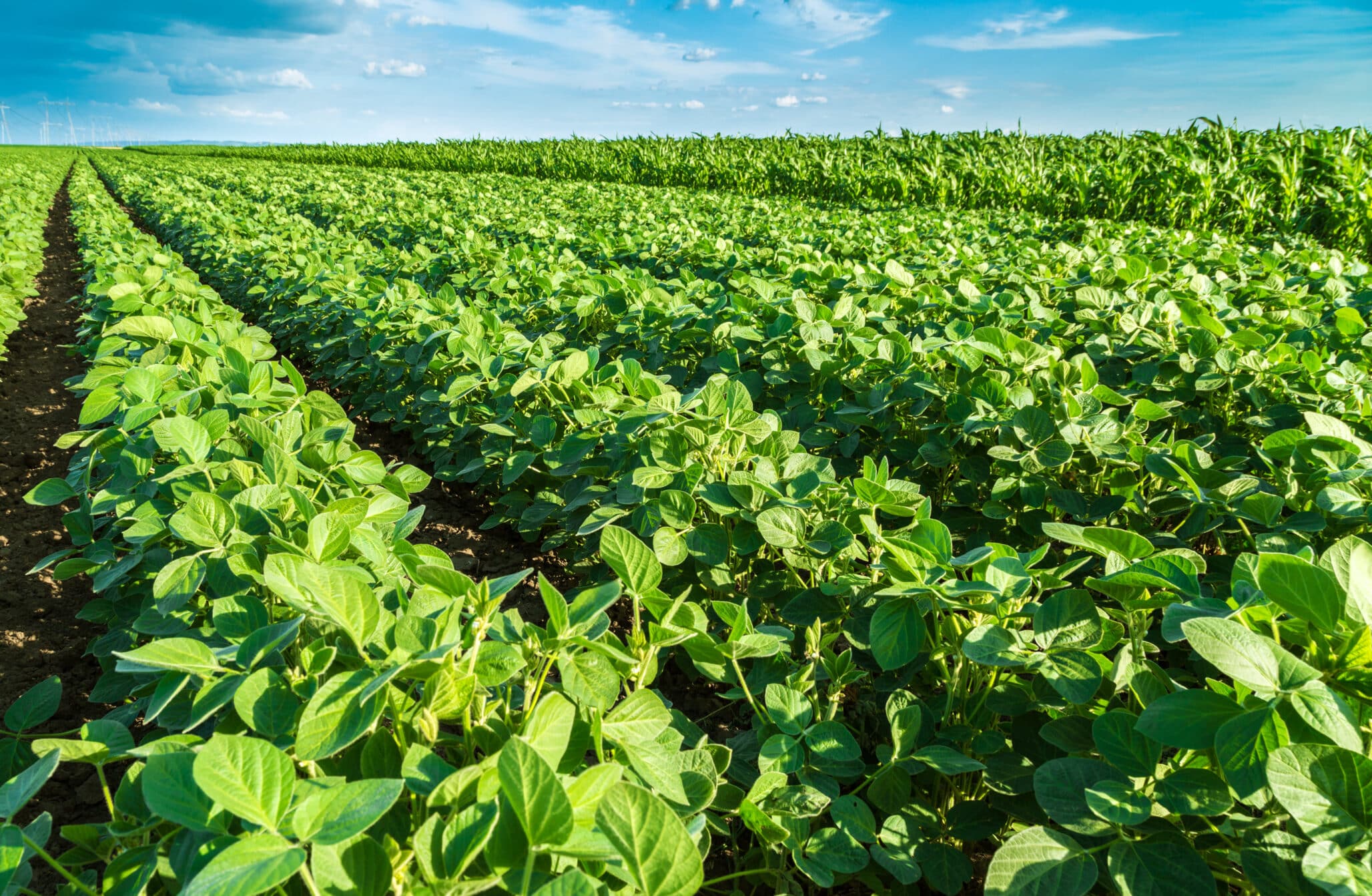
EU Excludes Soybean Seed from Deforestation Rules
Environment
EU Excludes Soybean Seed from Deforestation Rules
More Local Coverage
Latest news Politics
Powerful pro-life ad featuring boxing legend to air during final World Cup matches
Politics
Powerful pro-life ad featuring boxing legend to air during final World Cup matches
 Local News
Cowichan sports shorts: rugby, hockey, biking
Local News
Cowichan sports shorts: rugby, hockey, biking