


Sponsored: This article explores how payment technologies are shaping Richmond’s entertainment and leisure sectors, from restaurants to casinos and live events.
A night out in Richmond no longer begins only when someone walks through a restaurant door, buys a ticket at a counter, arrives at a venue or takes a seat at a gaming table. In many cases, the experience starts earlier, on a phone: reserving a table, loading a transit card, checking an event schedule, scanning a menu, joining a loyalty program or choosing a payment method before the first transaction occurs. That can appear as simple convenience, but it is increasingly shaping how local leisure is structured.
Richmond's economy is built around places where people gather: Asian food courts, hotel lounges, family events, festival streets, airport-adjacent stays and entertainment venues. What ties many of them together now is not a common product. It is the shift from cash-in-hand spending to account-based, card-based and app-based behaviour.
The same payment habits now follow people across leisure For restaurants, cashless payment shortens the handoff at the end of a meal. For events, it reduces lineups and makes pre-booked attendance easier to manage. For hotels, it turns deposits, upgrades and loyalty points into a single digital record.
For casino operators, the change is even more significant because the customer journey has always depended on trust, speed and a clear record of play. The old casino model was highly physical: chips, machines, cards, coins, printed slips and a staffed cashier area. Those things still matter in destination venues because they create atmosphere and ritual.
But online casino design has pushed the opposite model to its limit. Account balances, games, promotions, verification, payment history and support all live inside one interface, which means the payment layer is not separate from the entertainment experience. It is part of the product.
Seen through that lens, a Canadian-market page such as Spin Casino Canada is useful as an example of how an online casino organizes payment, account access, game discovery and return visits for Canadian players within a continuous customer journey. The platforms themselves are not local guides, but they demonstrate a product model: a player does not need a front desk, printed schedule or physical cashier to understand what is available. For Richmond businesses, the lesson is not that every venue should become an online casino.
It is that customers are getting used to entertainment that remembers preferences, explains choices quickly and makes payment feel like a background process. Cashless does not mean frictionless by accident The Canadian numbers show why this matters beyond gaming.
Payments Canada's Canadian payment data for 2024 reported 13 billion contactless transactions worth $567 billion, alongside 6.7 billion debit transactions and 7.5 billion credit card transactions. Cash still appeared in the data, but at 2.5 billion transactions worth $67.9 billion it looked less like the default for daily leisure and more like one payment choice among several. Those figures help explain why the cashless conversation is bigger than whether a customer taps a card.
A digital payment creates a trail that can support receipts, refunds, loyalty offers, fraud checks, identity controls and demand forecasting. International casino platforms have had to build around that reality for years because deposits and withdrawals are part of the trust equation. In casino environments, speed matters, but operators also need safeguards, accurate records and clear account rules.
For Richmond's broader leisure economy, the useful question is not whether cash disappears. It is whether a venue can make the practical parts of a night out feel less like administration. A restaurant that lets a group split a bill quickly, a festival that reduces cash-only bottlenecks or a hotel that lets guests manage extras without repeated front-desk visits is solving the same problem in a different setting.
Richmond's advantage is still the physical experience The risk for local venues is assuming that digital convenience alone is enough. It is not. The reason people still go out in Richmond is the texture of the place: the food choices, the multilingual service culture, the waterfront walks, the late-night energy around major destinations and the community feel of local events.
Cashless systems work best when they support that experience rather than replacing it. That balance is visible when local programming gives residents a reason to gather in person, from community showcases to Steveston Salmon Festival programming. Digital tools may help people discover the event, pay for transit, buy food or share photos afterward, but the value is still created by being there.
The same is true for casinos and hospitality venues: the screen can organize access, but the room, staff and social energy give the visit its character. This is where Richmond can draw a practical lesson from online casino design without copying it wholesale. The strongest digital leisure products remove uncertainty: they show the user where to go, what to expect, what it costs, how rewards work and how to return later.
Local operators can do the same while keeping the experience grounded in Richmond's strengths. A cashless leisure economy is not just a payment trend. It is a customer-experience trend.
The businesses that benefit will be the ones that treat payment as one piece of a larger relationship, whether the setting is a restaurant table, an event gate, a hotel lobby or a gaming environment. In a city where entertainment, travel and food already overlap, that may be the next quiet advantage. DISCLAIMER:
This content is for informational and entertainment purposes only. Online gambling carries financial and personal risks. Participation should only be done on platforms that are licensed and regulated in your jurisdiction.
In British Columbia, the only regulated platform is PlayNow, operated by the BCLC. Please play responsibly. This has been paid for by our sponsor and does not reflect the reviews, opinions or recommendations of the Richmond News staff.
- Published
- Jul 14, 2026
- Updated
- Jul 14, 2026
- Source
- Richmond News
- Category
- Community
- City
- Richmond
- Read time
- 4 min
Key facts
Why this matters locally
This community story matters locally because it may affect readers, businesses, commuters, families, or public services in Richmond.
Local impact
BC Post links this item to Richmond coverage so readers can follow related city updates, weather, traffic, events, and category news in one place.
Timeline
Source and credit
BC Post may summarize, organize, and add local context for reader clarity. Original reporting remains with the listed publisher.
Related Articles
View all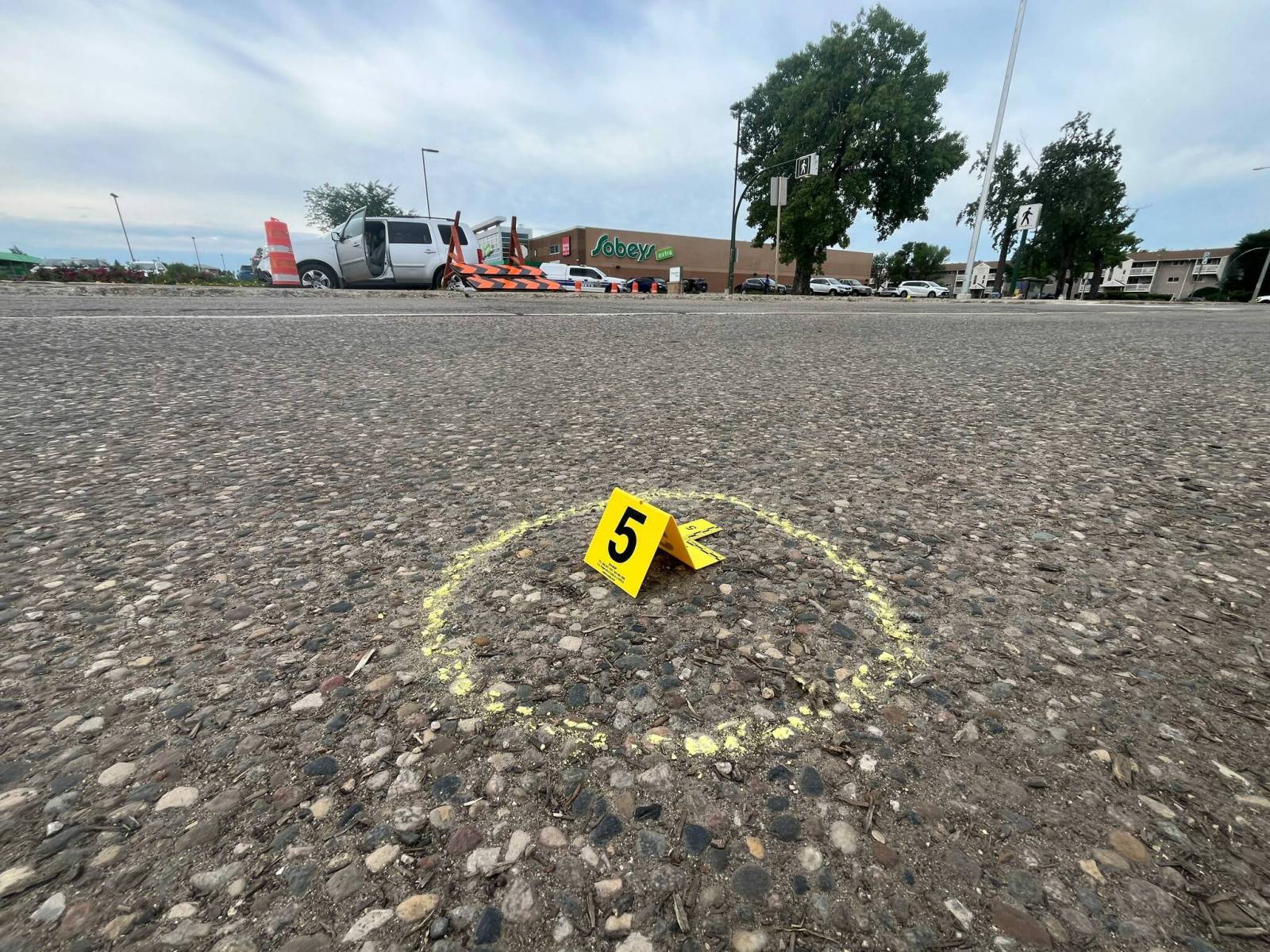 Lifestyle
Teen hit in crosswalk faces long recovery
Lifestyle
Teen hit in crosswalk faces long recovery
 Community
Where the rules don’t apply: Fortis and the Christina Lake data centre controversy
Community
Where the rules don’t apply: Fortis and the Christina Lake data centre controversy
 Community
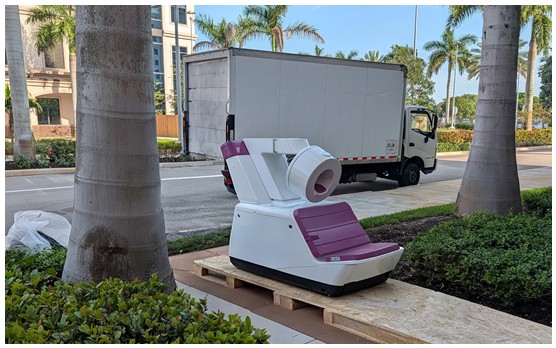
Grey Matters Takes Delivery of the First Brain Dedicated PET Scanning System for its Flagship NovaScan Neuroimaging Clinic in Florida
Community
Grey Matters Takes Delivery of the First Brain Dedicated PET Scanning System for its Flagship NovaScan Neuroimaging Clinic in Florida
 Community
For Our Kids
Community
For Our Kids
 Crime
Mother of woman found dead in Richmond demands answers after coroner's inquest
Crime
Mother of woman found dead in Richmond demands answers after coroner's inquest
More From Richmond
View all


More Local Coverage
Latest news Business
AI Market Trends: Q2 2026 Review and Forecast
Business
AI Market Trends: Q2 2026 Review and Forecast
 Politics
Powerful pro-life ad featuring boxing legend to air during final World Cup matches
Politics
Powerful pro-life ad featuring boxing legend to air during final World Cup matches
 Local News
Cowichan sports shorts: rugby, hockey, biking
Local News
Cowichan sports shorts: rugby, hockey, biking