

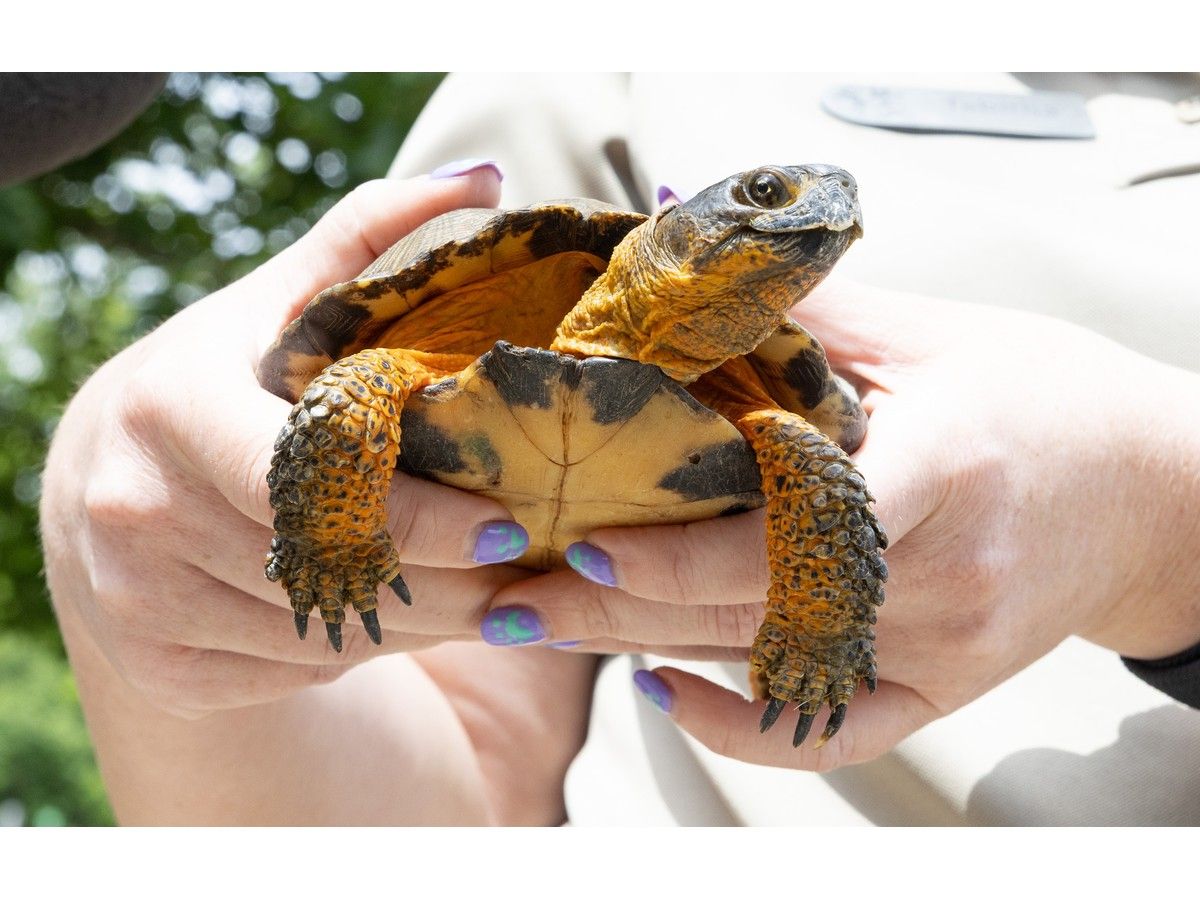
You're allowed to own a turtle, but the provincial government keeps very close count of them, so you'll want to know the rules
Nova Scotia is home to four species of turtles native to the province. Some others may also come into the province as pets, but the Department of Natural Resources says it needs to know if that is happening and people need to get a permit and know the rules. Andrew Morrison, the manager and veterinarian at the Shubenacadie Wildlife Park, says the province wants to keep track of turtles that have been brought into the province and make sure owners know they must remain in captivity.
“If they get released in the wild they can be locally destructive and invasive and put the native turtles at risk by taking over their food and their habitat, and that sort of thing,” Morrison said. Here are some things you need to know about turtles in the province. What species are native to Nova Scotia?
The Blanding’s, snapping, wood and eastern painted are the four turtle species in Nova Scotia. How healthy are the populations? The Blanding’s turtle is endangered and the wood turtle is considered threatened.
The snapping turtle is considered vulnerable. Why does the province want turtles brought into the province under permit? Morrison said the province likes to keep track of where the turtles are.
Permits are renewed every three years. What are some of the concerns around pet turtles brought into the province? Related Leatherback turtles dying near Canso Causeway: Nova Scotia roads meet modern waterway data Seven rare turtles get named as part of awareness campaign in Cape Breton Morrison said people need to remember that turtles can be long-lived and reach 40 or 60 years of age.
“If someone buys a turtle for the child and then they grow up and leave home, mom and dad are left wondering ‘What do I do with this with this?'” Morrison said. “We end up with a lot of turtles being abandoned, needing homes, and there aren’t enough homes for them.”
There are also concerns about imported turtles bringing diseases that affect local species. What about having a native species for a pet? Having native wildlife as a pet is not usually allowed.
Permits can be issued for turtles for research purposes at a zoo or university. What should be done if you find a turtle making a nest and laying eggs? If it’s a Blanding’s turtle or wood turtle, it should be reported to the Department of Natural Resources, Morrison said.
Snapping turtle nests should be left alone with possibly a marker to show its location, but it should not be blocked or covered in any way, he said. Is it true that turtles crossing the road should be allowed to continue in the same direction? Morrison said it is better to let the turtle continue on its way rather than try to pick it up and move it.
“Snapping turtles can do a lot of damage (to a person) if you don’t pick them up correctly.” Also, a lot of very young turtles can be carrying salmonella on their bodies and can cause illness in humans. If the turtle has to be moved and if it can be done safely, they should be taken to the side of the road they are facing.
- Published
- Jul 17, 2026
- Updated
- Jul 17, 2026
- Source
- Pniatlantic
- Category
- Environment
- Read time
- 2 min
Key facts
Why this matters locally
This environment story matters locally because it may affect readers, businesses, commuters, families, or public services in British Columbia.
Local impact
BC Post links this item to British Columbia coverage so readers can follow related city updates, weather, traffic, events, and category news in one place.
Timeline
Source and credit
BC Post may summarize, organize, and add local context for reader clarity. Original reporting remains with the listed publisher.
Related Articles
View all Environment
50-hectare wildfire burns between Clearwater and 100 Mile House
Environment
50-hectare wildfire burns between Clearwater and 100 Mile House
 Environment
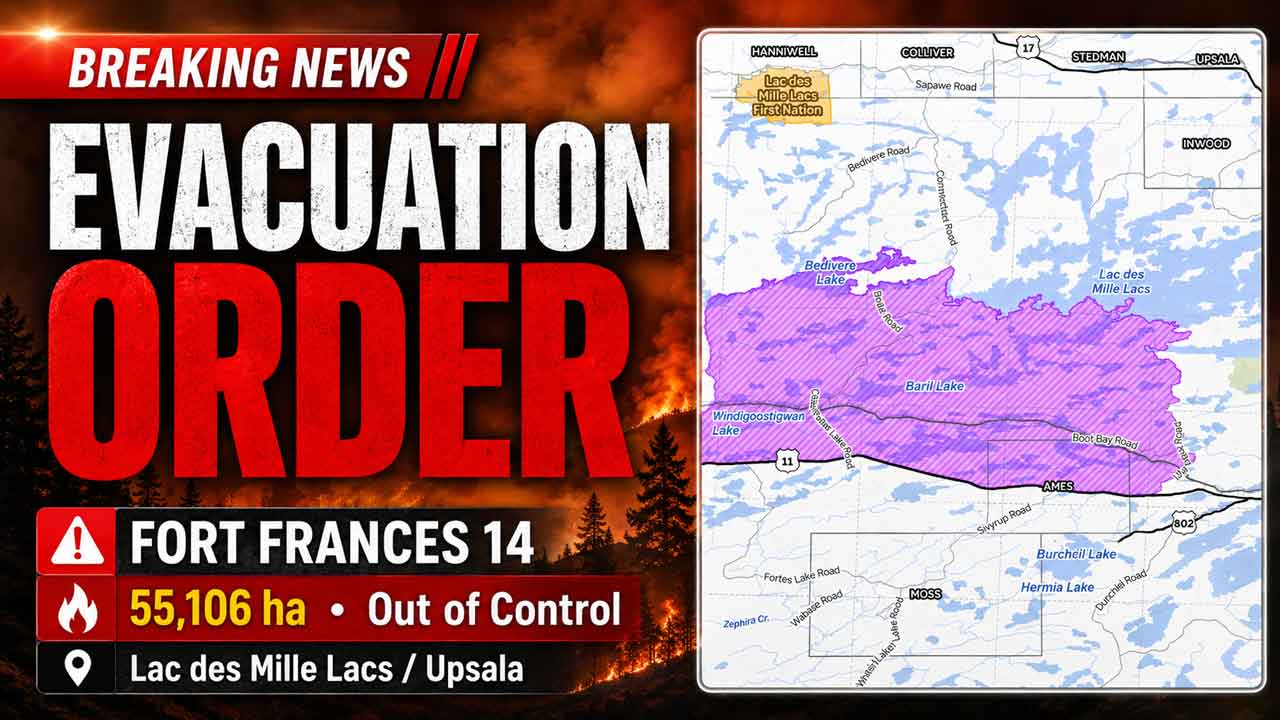
Updated Evacuation Information for Wildfire Fort Frances 14 (July 17 2026)
Environment
Updated Evacuation Information for Wildfire Fort Frances 14 (July 17 2026)
 Environment
A powerful movement of healing arrives at Delta’s Discovery Centre
Environment
A powerful movement of healing arrives at Delta’s Discovery Centre
 Environment
EU Excludes Soybean Seed from Deforestation Rules
Environment
EU Excludes Soybean Seed from Deforestation Rules
 Environment
Metro Vancouver issues air quality warning as wildfire smoke drifts in
Environment
Metro Vancouver issues air quality warning as wildfire smoke drifts in
 Environment
Vancouver forecast in 'sweet spot' but hot temperatures on the way
Environment
Vancouver forecast in 'sweet spot' but hot temperatures on the way
More Local Coverage
Latest news Business
AI Market Trends: Q2 2026 Review and Forecast
Business
AI Market Trends: Q2 2026 Review and Forecast
 Politics
Powerful pro-life ad featuring boxing legend to air during final World Cup matches
Politics
Powerful pro-life ad featuring boxing legend to air during final World Cup matches