

When Keir Starmer stood in front of 10 Downing St. as Britain’s new prime minister two years ago, he promised national renewal with a warning that “this will take a while.”
(Bloomberg) — When Keir Starmer stood in front of 10 Downing St. as Britain’s new prime minister two years ago, he promised national renewal with a warning that “this will take a while.” Now, days from handing the premier’s official residence and its famous black door to former Greater Manchester Mayor Andy Burnham, much of that work remains undone.
He’s struggling to prove he delivered change, despite his governing Labour Party and the British electorate running out of patience before the midpoint of what was supposed to be a five-year term. Asked to sum up Starmer’s premiership, Tim Bale, professor of politics at Queen Mary University of London, said it was “very hard to get away from the ‘F’ word, i.e., ‘failure.’” “There’s no way a prime minister who began the parliament with such a massive majority should be leaving after just two years,” Bale said.
By his own metrics, Starmer is well behind the pace needed to succeed by the next election in 2029. House-building is well below the requisite rate to deliver a pledged 1.5 million new homes by the end of the Parliament. Police numbers have declined when 13,000 new officers were promised.
Growth has been anemic. Starmer will have an opportunity to defend his record on Wednesday, when he’s due for his final weekly question session in the House of Commons. Last month, he told Sky News that his government had stabilized the economy, brought down National Health Service waiting lists and reduced net immigration.
He’s seeking to add to that with a flurry of activity during his last week in office. that includes stepped up efforts to finalize legislation to nationalize British Steel — a plan that had been Starmer’s big reveal in a speech designed to save his premiership in the wake of damaging losses for Labour in local elections in May. Ministers also brought forward efforts to pass the so-called Hillsborough Law, which would impose a duty of candor on public officials and create new offenses for those who deliberately mislead the public.
It was something he’d promised to do by April 2025, to coincide with the anniversary of the 1989 disaster at Hillsborough stadium in Sheffield, when 97 people were killed in a crush. Nominations for his successor as Labour Party leader close on Thursday, with Burnham already securing the support of enough from the party’s members of Parliament to ensure he faces no opposition. He’s due to become leader on Friday and prime minister on Monday.
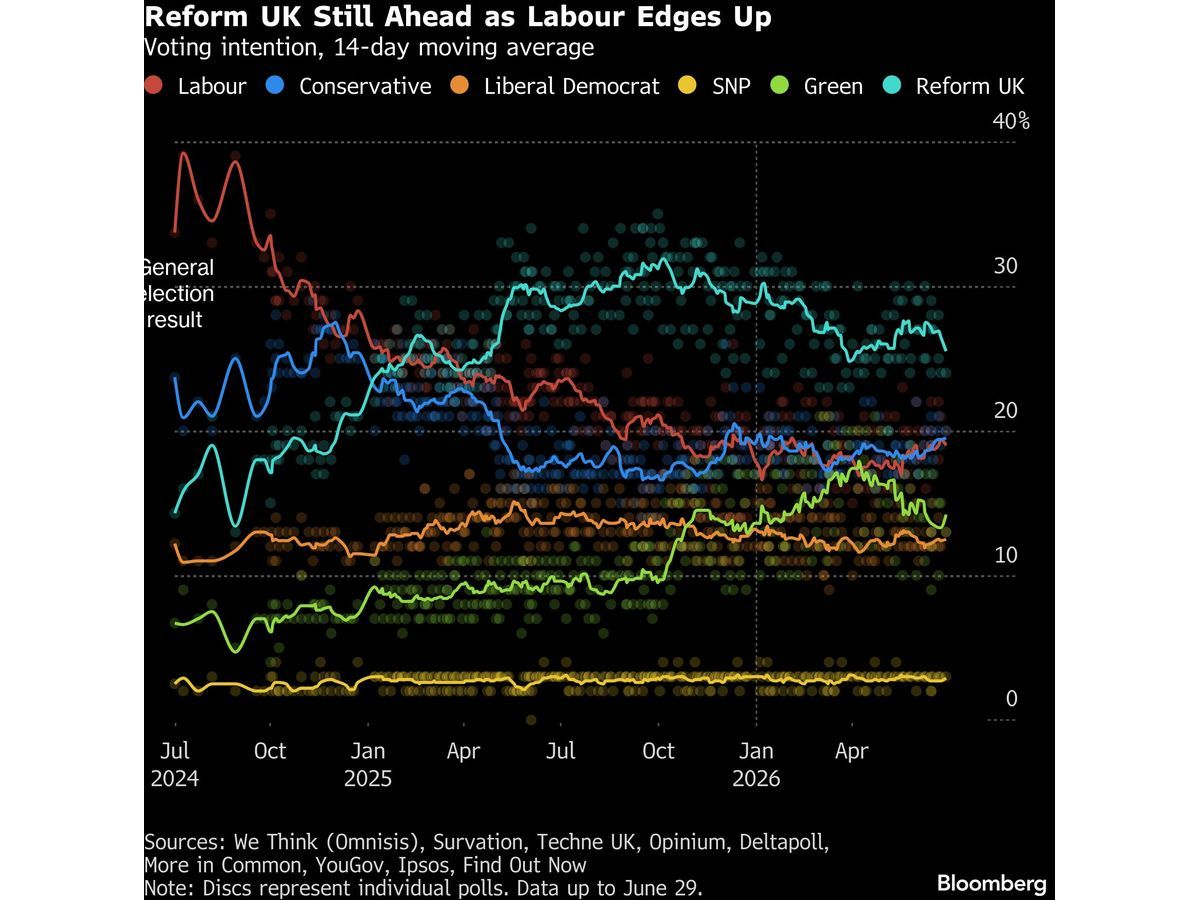
Starmer’s downfall has its roots in his early days in power. An unpopular move to cut winter fuel payments to pensioners and a gloomy assessment of the economy by him and Chancellor of the Exchequer Rachel Reeves set the tone, contributing to declining ratings as the populists in Nigel Farage’s Reform UK ascended to the top of opinion polls. A scandal over freebies accepted by Starmer, Reeves and others, largely while in opposition, also gave the impression that the new party of government hadn’t learned from the mistakes of their Tory predecessors.
Starmer’s first “mission” among five he identified on taking power was to tackle the cost of living and revive Britain’s flagging economy. He promised to secure the highest sustained growth in the Group of Seven. The UK economy has grown 2.1% since Labour took office; more than European peers and Japan but behind the US and Canada.
On a quarterly basis, the UK was the best-performing G7 economy just once — in the first three months of this year. The outgoing premier wasn’t helped by an often fraught relationship with US President Donald Trump, who came to power half a year into Starmer’s tenure. Trump’s trade wars and more recently his war against Iran damaged UK efforts to revive the economy.
Starmer’s domestic image, meanwhile, was hurt by his efforts to succor favor with a president who’s unpopular among British voters, including welcoming Trump on an unprecedented second state visit to Britain, and scrabbling around on the ground to pick up papers dropped by the president at last year’s G-7 summit in Canada. Starmer’s performance on the global stage, nevertheless, is seen within Labour one of the high points of his leadership, including his staunch support of Ukraine, efforts to keep Trump close to NATO, and refusal to become involved in more than a limited way in the US-Israeli attack on Iran.
There were also some domestic successes: National Health Service waiting lists have declined to under 7.3 million in May from more than 7.6 million in June 2024, highlighting progress on another of Starmer’s “missions.” Net migration last year of 171,000 represented a drop by almost a half on the previous year, and a fraction of the 944,000 under the Conservatives in the year through March 2023. Irregular arrivals in small boats — an immigration flashpoint that’s helped fuel Farage’s rise — have also come down this year, with arrivals through the end of June at the lowest since 2001.
Voters have given Starmer little credit for those gains or the legislation he has passed, such as this year’s Renter’s Rights Act and last year’s Employment Rights Act, which trade unions accused him of watering down. Steps have been taken to nationalize the nation’s railways and expand the provision of free breakfasts for schoolchildren. Asked by Sky last month what he was most proud of as prime minister, Starmer said it was removing a Tory-era cap on child benefits to the first two children in a family.
Yet that was a move that he and Reeves — despite saying they wanted it — seemingly had to be dragged into by their party after signaling it wasn’t yet affordable. In his Downing Street address two years ago, Starmer said the gulf that had opened up between the electorate and the politicians who served them could “only be healed by actions not words.” The problem for Starmer is, he was never able to find the words to communicate a vision to the British people.
“One of the big failures was the failure of communication,” Bale said. Starmer “has never really been able to articulate what he and his government stands for.” —With assistance from Andrew Atkinson.
- Published
- Jul 14, 2026
- Updated
- Jul 14, 2026
- Source
- Financial Post
- Category
- Top
- Read time
- 5 min
Key facts
Why this matters locally
This top story matters locally because it may affect readers, businesses, commuters, families, or public services in British Columbia.
Local impact
BC Post links this item to British Columbia coverage so readers can follow related city updates, weather, traffic, events, and category news in one place.
Timeline
Source and credit
BC Post may summarize, organize, and add local context for reader clarity. Original reporting remains with the listed publisher.
Related Articles
View all Top
Rock the Lake celebrated its ninth year at Prospera Place this past weekend
Top
Rock the Lake celebrated its ninth year at Prospera Place this past weekend
 Top
Million-dollar contract awarded for Surrey Sport & Leisure Complex renos
Top
Million-dollar contract awarded for Surrey Sport & Leisure Complex renos
 Top
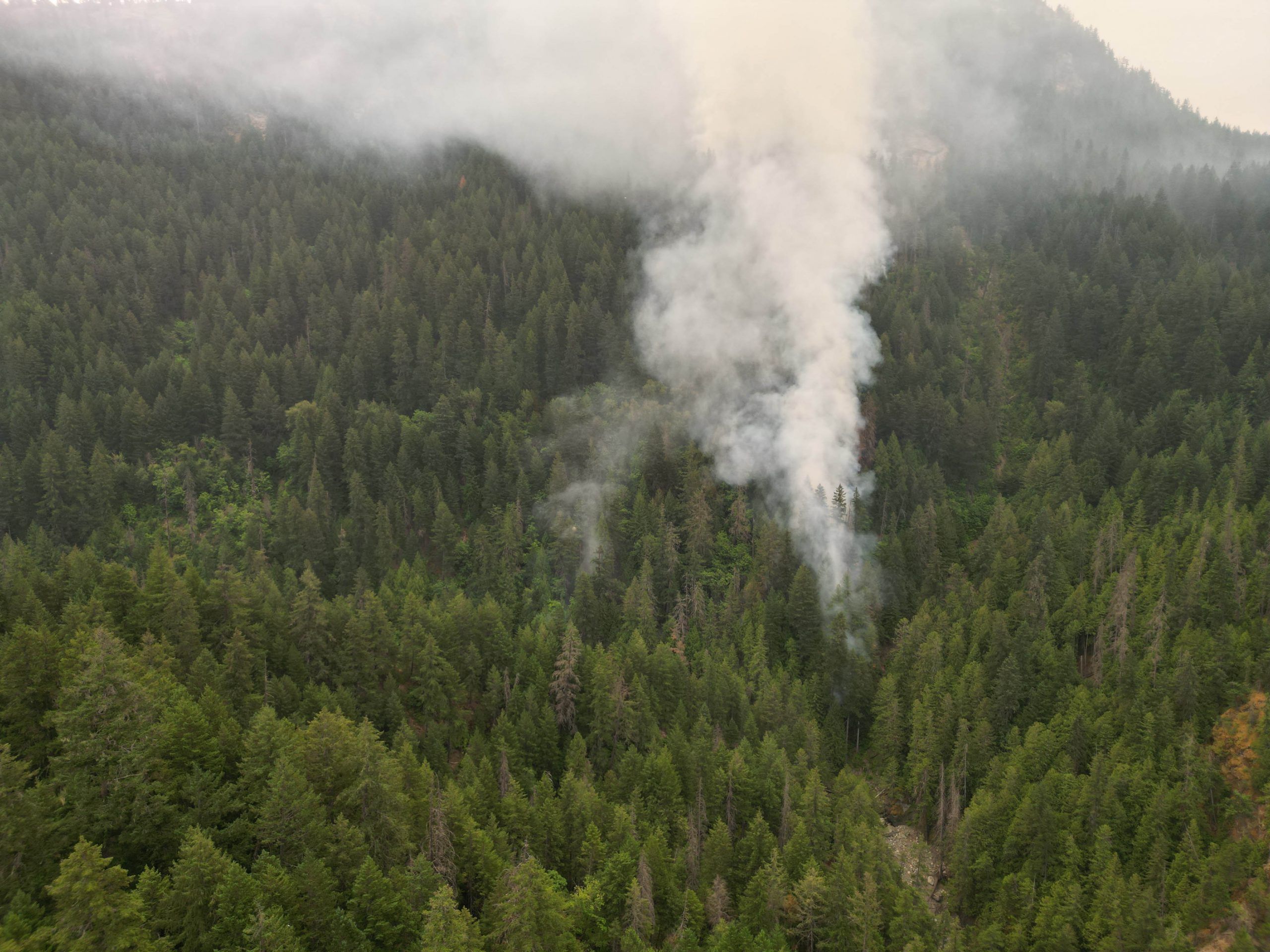
Brunswick Creek wildfire grows, leads to air quality warning in east Fraser Valley
Top
Brunswick Creek wildfire grows, leads to air quality warning in east Fraser Valley
 Top
MLA Jordan Kealy to face jury in sexual assault case
Top
MLA Jordan Kealy to face jury in sexual assault case
 Top
BCWS aircraft helping Kamloops firefighters battle grass fire above Shuswap Road
Top
BCWS aircraft helping Kamloops firefighters battle grass fire above Shuswap Road
 Top
'A sacred place': Delta park to get dedicated ash-scattering site
Top
'A sacred place': Delta park to get dedicated ash-scattering site
More Local Coverage
Latest news Business
AI Market Trends: Q2 2026 Review and Forecast
Business
AI Market Trends: Q2 2026 Review and Forecast
 Politics
Powerful pro-life ad featuring boxing legend to air during final World Cup matches
Politics
Powerful pro-life ad featuring boxing legend to air during final World Cup matches