


While it’s now known for its quiet ponds, riverside pathways, and wildlife, Carburn Park has served many purposes over the years. According to the City of Calgary, before it became a popular green space in the city, the land was a part of Senator Patrick Burns’ ranch. Burns was an influential figure in Calgary’s history, building one of western Canada’s largest cattle operations and meatpacking companies and becoming a prominent senator. He was even one of the iconic “Big Four” ranchers who helped launch the Calgary Stampede back in 1912. The land that would eventually become the park was just a small part of Burns’ property across Alberta. Over time, the area took on new uses, including being the proposed site for a railway line that was planned to connect Calgary and Montana; however, the railway was never constructed. You might also like: - Calgary among Canada's most economical cities to rent in and afford a vacation - New series filmed in Alberta with major stars landing on Netflix - An Alberta resort project with themed glamping rooms opens later this year While Burns died in 1937, it wasn’t until the 1970s that the land became the Carburn Park many of us enjoy today. The name comes from Carburn Aggregates, a company that mined gravel from the area and later created the ponds that now serve as a defining feature of the park. Today, Carburn Park spans more than 130 hectares along the Bow River, offering pathways, wetlands, picnic areas, and a habitat for a wide range of wildlife. The former gravel pits have become peaceful ponds that attract birdwatchers and visitors looking for a quiet escape right in the city. Carburn Park isn’t the only park in Calgary with ranching roots. Riley Park was once part of the Cochrane Ranch, which once spanned over 100,000 acres. Did you know about the history of Calgary’s Carburn Park? Let us know in the comments.
While it’s now known for its quiet ponds, riverside pathways, and wildlife, Carburn Park has served many purposes over the years. According to the City of Calgary, before it became a popular green space in the city, the land was a part of Senator Patrick Burns’ ranch. Burns was an influential figure in Calgary’s history, building one of western Canada’s largest cattle operations and meatpacking companies and becoming a prominent senator.
He was even one of the iconic “Big Four” ranchers who helped launch the Calgary Stampede back in 1912. The land that would eventually become the park was just a small part of Burns’ property across Alberta. Over time, the area took on new uses, including being the proposed site for a railway line that was planned to connect Calgary and Montana; however, the railway was never constructed.
While Burns died in 1937, it wasn’t until the 1970s that the land became the Carburn Park many of us enjoy today. The name comes from Carburn Aggregates, a company that mined gravel from the area and later created the ponds that now serve as a defining feature of the park. Today, Carburn Park spans more than 130 hectares along the Bow River, offering pathways, wetlands, picnic areas, and a habitat for a wide range of wildlife.
The former gravel pits have become peaceful ponds that attract birdwatchers and visitors looking for a quiet escape right in the city. Carburn Park isn’t the only park in Calgary with ranching roots. Riley Park was once part of the Cochrane Ranch, which once spanned over 100,000 acres.
Did you know about the history of Calgary’s Carburn Park? Let us know in the comments.
- Published
- Jul 13, 2026
- Updated
- Jul 13, 2026
- Source
- Daily Hive Victoria
- Category
- Environment
- Read time
- 1 min
Key facts
Why this matters locally
This environment story matters locally because it may affect readers, businesses, commuters, families, or public services in British Columbia.
Local impact
BC Post links this item to British Columbia coverage so readers can follow related city updates, weather, traffic, events, and category news in one place.
Timeline
Source and credit
BC Post may summarize, organize, and add local context for reader clarity. Original reporting remains with the listed publisher.
Related Articles
View all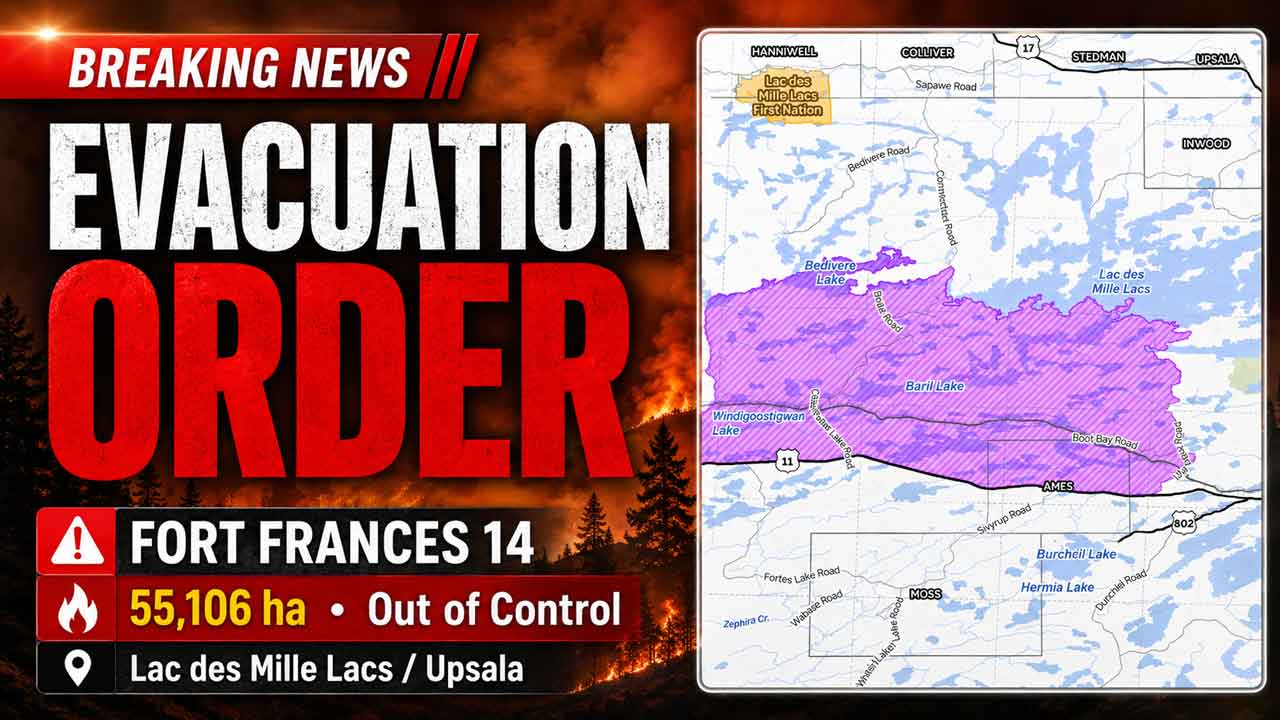 Environment
Updated Evacuation Information for Wildfire Fort Frances 14 (July 17 2026)
Environment
Updated Evacuation Information for Wildfire Fort Frances 14 (July 17 2026)
 Environment
50-hectare wildfire burns between Clearwater and 100 Mile House
Environment
50-hectare wildfire burns between Clearwater and 100 Mile House
 Environment
A powerful movement of healing arrives at Delta’s Discovery Centre
Environment
A powerful movement of healing arrives at Delta’s Discovery Centre
 Environment
Port Coquitlam mayor launches program that removes graffiti on public property within 48 hours
Environment
Port Coquitlam mayor launches program that removes graffiti on public property within 48 hours
 Environment
'Fending for ourselves' after Manitoba wildfire forces evacuation: O-Pipon-Na-Piwin leaders
Environment
'Fending for ourselves' after Manitoba wildfire forces evacuation: O-Pipon-Na-Piwin leaders
 Environment
2 wildfires north of Anahim Lake currently out-of-control
Environment
2 wildfires north of Anahim Lake currently out-of-control
More Local Coverage
Latest news Business
AI Market Trends: Q2 2026 Review and Forecast
Business
AI Market Trends: Q2 2026 Review and Forecast
 Politics
Powerful pro-life ad featuring boxing legend to air during final World Cup matches
Politics
Powerful pro-life ad featuring boxing legend to air during final World Cup matches
 Local News
Cowichan sports shorts: rugby, hockey, biking
Local News
Cowichan sports shorts: rugby, hockey, biking