


The air quality in Toronto is currently ranked among the worst in the world, on top of a multi-day heatwave that’s gripping the city Monday.
The air quality in Toronto is currently ranked among the worst in the world, on top of a multi-day heatwave that’s gripping the city Monday. According to IQAir , which tracks air quality data from across the globe, Toronto is the 30th most polluted city at time of writing. Meanwhile, Environment Canada’s Air Quality Health Index (AQHI) lists the air in Toronto as a Level 5 , or moderate risk.
The national weather agency had warned that the hot and humid air brought on by the heatwave could produce “deteriorating” air quality, and meteorologist Geoff Coulson says that’s what we’re seeing here. “We have, generally, a subsiding or sinking motion associated with the high-pressure system that’s affecting us, and that sinking air can create inversions in the atmosphere.” Coulson explained that because the hot air is impeded from rising, pollutants are trapped in the lower levels of the atmosphere and affect air quality.
He said while it’s unlikely wildfire smoke from Quebec and northern Ontario are having an impact on air quality right now, that could change later this week. “It looks like by Wednesday we could be seeing some enhanced levels of particulate matter 2.5 from the wildfires in northwestern Ontario,” he said. Under a Level 5 AQHI, the general population does not need to modify usual outdoor activities unless they experience symptoms such as couching or throat irritation.
Those among the at risk population, such as seniors, pregnant women and infants, should consider reducing or rescheduling strenuous activities outdoors if experiencing symptoms. Toronto is currently under a yellow-level heat warning, with temperatures above 30 C until Friday. Tuesday will be the hottest day with a high of 37 C, which will feel like 45 with the humidex.
- Published
- Jul 13, 2026
- Updated
- Jul 13, 2026
- Source
- Ctv News
- Category
- Environment
- Read time
- 1 min
Key facts
Why this matters locally
This environment story matters locally because it may affect readers, businesses, commuters, families, or public services in British Columbia.
Local impact
BC Post links this item to British Columbia coverage so readers can follow related city updates, weather, traffic, events, and category news in one place.
Timeline
Source and credit
BC Post may summarize, organize, and add local context for reader clarity. Original reporting remains with the listed publisher.
Related Articles
View all Environment
50-hectare wildfire burns between Clearwater and 100 Mile House
Environment
50-hectare wildfire burns between Clearwater and 100 Mile House
 Environment
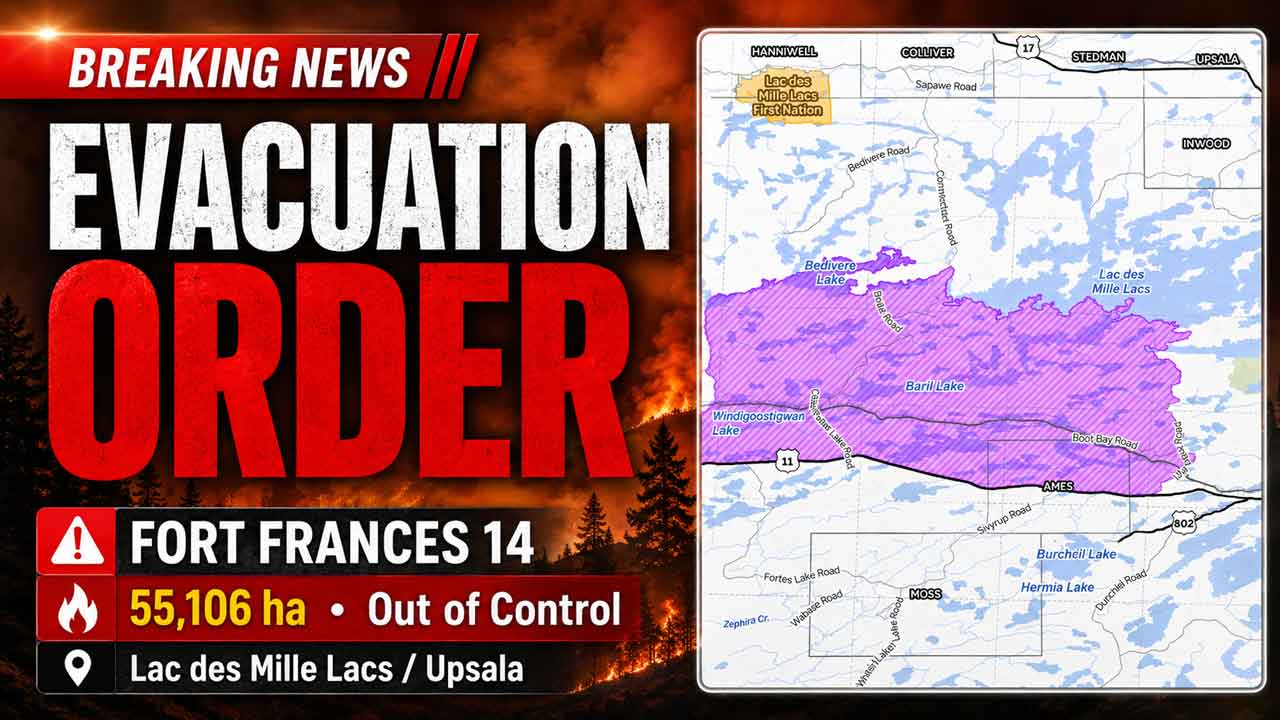
Updated Evacuation Information for Wildfire Fort Frances 14 (July 17 2026)
Environment
Updated Evacuation Information for Wildfire Fort Frances 14 (July 17 2026)
 Environment
A powerful movement of healing arrives at Delta’s Discovery Centre
Environment
A powerful movement of healing arrives at Delta’s Discovery Centre
 Environment
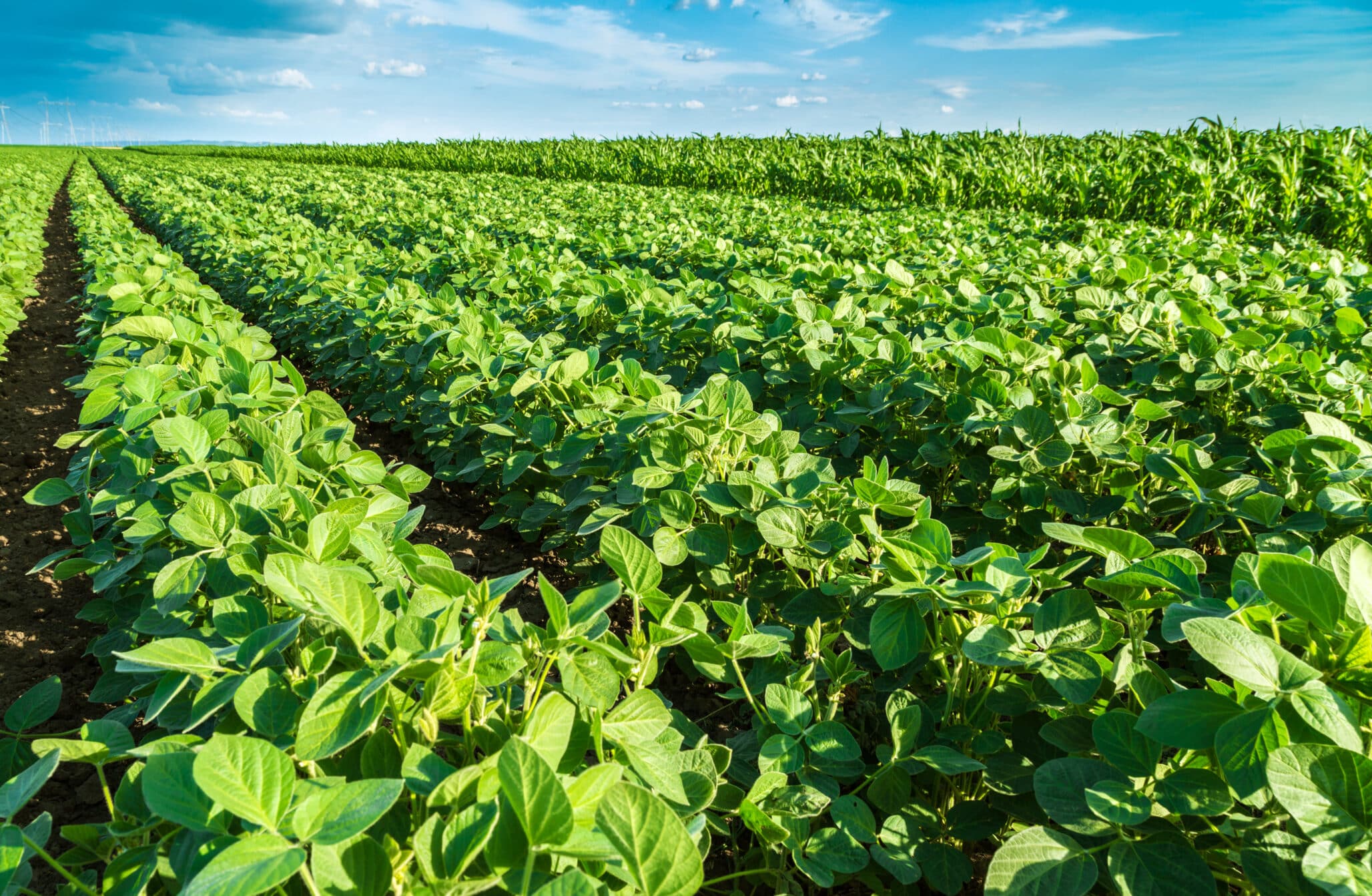
EU Excludes Soybean Seed from Deforestation Rules
Environment
EU Excludes Soybean Seed from Deforestation Rules
 Environment
Metro Vancouver issues air quality warning as wildfire smoke drifts in
Environment
Metro Vancouver issues air quality warning as wildfire smoke drifts in
 Environment
Vancouver forecast in 'sweet spot' but hot temperatures on the way
Environment
Vancouver forecast in 'sweet spot' but hot temperatures on the way
More Local Coverage
Latest news Business
AI Market Trends: Q2 2026 Review and Forecast
Business
AI Market Trends: Q2 2026 Review and Forecast
 Politics
Powerful pro-life ad featuring boxing legend to air during final World Cup matches
Politics
Powerful pro-life ad featuring boxing legend to air during final World Cup matches