


Children and elderly, unhoused and low-income populations among those at highest risk from poor air quality and heat
Residents and tourists in downtown Toronto did what they could to stay cool and protected from the sun during the heat wave this week. Construction workers took breaks from the heat, grouped in small pockets of shade provided by the overhang of nearby buildings. Pedestrians carried umbrellas, wore brimmed hats and pushed strollers covered by thin blankets.
Parents sweat under the sun while their children cooled down playing in the city’s splash pads. Spanning Yonge St. were also delivery riders keeping their hands inside thick mittens attached to their bicycles’ handlebars. While the cold-weather gloves seemed counterintuitive at first, one man told Canada’s National Observer that the mittens would protect his hands from the sun that they’d be exposed to over the course of his work day.
High heat warnings were still in effect in Toronto on Wednesday following Tuesday’s record-breaking high of 37.3 C, as heavy smoke conditions from wildfires blanketed Toronto. Health effects from heat and smoke are best avoided by limiting time outdoors, but the city’s most vulnerable may be hard-pressed to find relief from these conditions. Environment and Climate Change Canada issued an orange air quality warning for Toronto, asking people to limit time outdoors and keep their windows and doors closed while inside to reduce exposure to smoke.
The alert warns people may experience common symptoms such as eye, nose and throat irritation from exposure. “Wildfire smoke was never an issue I never experienced while growing up in Toronto,” said Adam Scott, executive director at Shift, an organization tracking the climate impact of Canadian pension funds. He told Canada’s National Observer that he and his family experienced cold-like symptoms resulting from the poor air quality on Wednesday, including scratchy throats, runny noses, and fatigue.
Scott made the decision to pull his kids out of day camp Wednesday afternoon to limit their time breathing the fine particulate matter contained in smoke. “Wildfire smoke now regularly disrupts our summers — work, sports, holidays, camps — making it harder to be outside for days at a time,” he said. As Wednesday’s poor air quality met ongoing heat events across parts of southwestern Ontario, outdoor conditions grew more dangerous.
According to the Canadian Climate Institute, the people most vulnerable to poor air quality are children, seniors, pregnant people, those who work outdoors, and those with heart or lung disease. The same groups face higher health risks from extreme heat. Unhoused people and those living in units without air conditioning are particularly vulnerable as they face challenges to keeping cool without breathing in the outdoor air — and the City of Toronto keeps only one cooling centre open for 24 hours.
Some will need to choose between opening their windows to let cool air in, or keeping them closed to avoid the smoky air. Others won’t be able to escape the smoke at all, for lack of an indoor place to go. During extreme heat events, the Heart and Stroke Foundation recommends staying out of the sun during peak hours, between 11 a.m. and 3 p.m. The hottest hours Wednesday were also the busiest for The 519, a community centre located near Church and Wellesley.
The 519 and Red Cross outreach team served more than 90 people in Barbara Hill Park, setting up a misting tent, distributing water and freezies, and handing out information about keeping safe in extreme heat. The misting tent helped provide relief to “folks living outside, delivery drivers, and neighbours walking or cycling by,” said Harper Jean Tobin, community resiliency project director at The 519. The 519 serves 2SLGBTQ+ communities, including families and children, senior adults, newcomers, those who live outside, and people who use substances — groups at high risk from extreme weather events.
“Extreme heat increases the risk of overdose at a time when life-saving resources are being taken away from folks in our city,” she said, referencing the province’s defunding of two supervised consumption sites in Toronto last month. Tobin told CNO that The 519 team responded to someone unconscious on Wednesday, likely due to substance use and the heat, and the man received medical attention before being offered ice packs and other methods to stay cool. Though the City of Toronto provides an online map of more than 500 cooling locations in the city, barriers still exist to accessing them.
“Some people may not want you [in a cooling centre] based on how you look or how you've been able to take care of yourself,” said Tobin. She believes more cooling spaces are needed, particularly 24-hour locations and ones that are trauma-informed with low barriers to access. “We cannot guarantee the health and safety of our communities,” Tobin said, “if we cannot guarantee that everyone has a place to call home, and that place is at a safe temperature.”
- Published
- Jul 15, 2026
- Updated
- Jul 15, 2026
- Source
- Canada’s National Observer
- Category
- Environment
- Read time
- 4 min
Key facts
Why this matters locally
This environment story matters locally because it may affect readers, businesses, commuters, families, or public services in British Columbia.
Local impact
BC Post links this item to British Columbia coverage so readers can follow related city updates, weather, traffic, events, and category news in one place.
Timeline
Source and credit
BC Post may summarize, organize, and add local context for reader clarity. Original reporting remains with the listed publisher.
Related Articles
View all Environment
50-hectare wildfire burns between Clearwater and 100 Mile House
Environment
50-hectare wildfire burns between Clearwater and 100 Mile House
 Environment
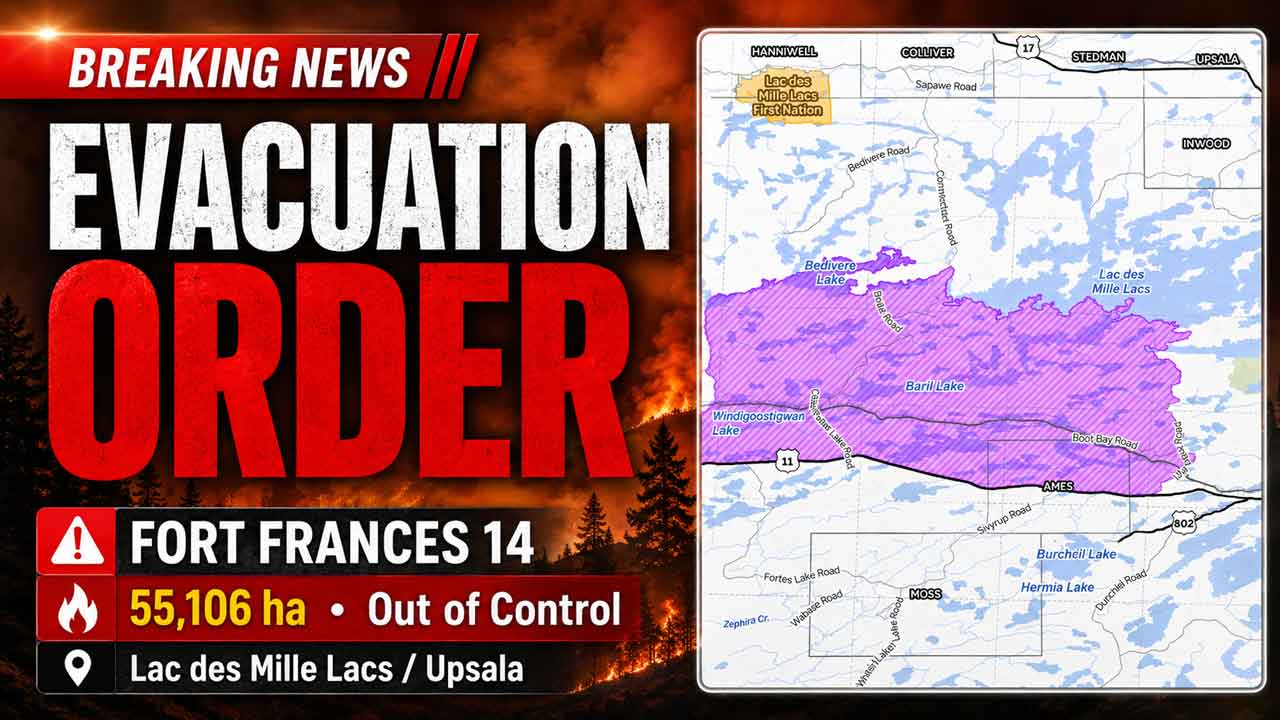
Updated Evacuation Information for Wildfire Fort Frances 14 (July 17 2026)
Environment
Updated Evacuation Information for Wildfire Fort Frances 14 (July 17 2026)
 Environment
A powerful movement of healing arrives at Delta’s Discovery Centre
Environment
A powerful movement of healing arrives at Delta’s Discovery Centre
 Environment
EU Excludes Soybean Seed from Deforestation Rules
Environment
EU Excludes Soybean Seed from Deforestation Rules
 Environment
Metro Vancouver issues air quality warning as wildfire smoke drifts in
Environment
Metro Vancouver issues air quality warning as wildfire smoke drifts in
 Environment
Vancouver forecast in 'sweet spot' but hot temperatures on the way
Environment
Vancouver forecast in 'sweet spot' but hot temperatures on the way
More Local Coverage
Latest news Business
AI Market Trends: Q2 2026 Review and Forecast
Business
AI Market Trends: Q2 2026 Review and Forecast
 Politics
Powerful pro-life ad featuring boxing legend to air during final World Cup matches
Politics
Powerful pro-life ad featuring boxing legend to air during final World Cup matches