


A pair of neighbourhoods in south London have been selected by city hall for a one-year pilot project that would permit the disposal of pet waste in green bins.
A pair of neighbourhoods in south London have been selected by city hall for a one-year pilot project that would permit the disposal of pet waste in green bins. Last year, a survey found widespread support for expanding the items permitted in green bins to include pet waste. Approximately 1,900 households will be given the option to participate in the Green Bin Pet Waste Pilot Project starting this autumn.
Area 1 contains about 900 homes, including streets between and including Emery Street, Wharncliffe Road South, Baseline Road E and Wortley Road, plus the residential streets off Baseline Road. Area 2 contains about 1,000 homes, including the area bordered by Bradley Avenue, Jalna Boulevard and Ernest Avenue. The selected pilot areas contain a diverse mix of households including single family homes, duplexes, and townhouses.
A report to the Infrastructure and Corporate Services Committee (ICSC) reads, “Accepted materials will include pet waste, such as dog, cat, and other pet feces. Pet waste will not include animal bedding (e.g., hamster straw, etc.), or cat litter.” The intent is to evaluate participation levels, waste volumes, and impacts on green bin collection.
If approved by Council on July 21, an information letter will be sent to eligible households with details about the project. Participants will be required to place pet waste into a compostable and sealable bag before placing into the green bin for collection. They will be encouraged to mix the bagged pet waste with food scraps and paper products to avoid what the report calls “poop only bins.”
- Published
- Jul 15, 2026
- Updated
- Jul 15, 2026
- Source
- Ctv News
- Category
- Environment
- Read time
- 1 min
Key facts
Why this matters locally
This environment story matters locally because it may affect readers, businesses, commuters, families, or public services in British Columbia.
Local impact
BC Post links this item to British Columbia coverage so readers can follow related city updates, weather, traffic, events, and category news in one place.
Timeline
Source and credit
BC Post may summarize, organize, and add local context for reader clarity. Original reporting remains with the listed publisher.
Related Articles
View all Environment
50-hectare wildfire burns between Clearwater and 100 Mile House
Environment
50-hectare wildfire burns between Clearwater and 100 Mile House
 Environment
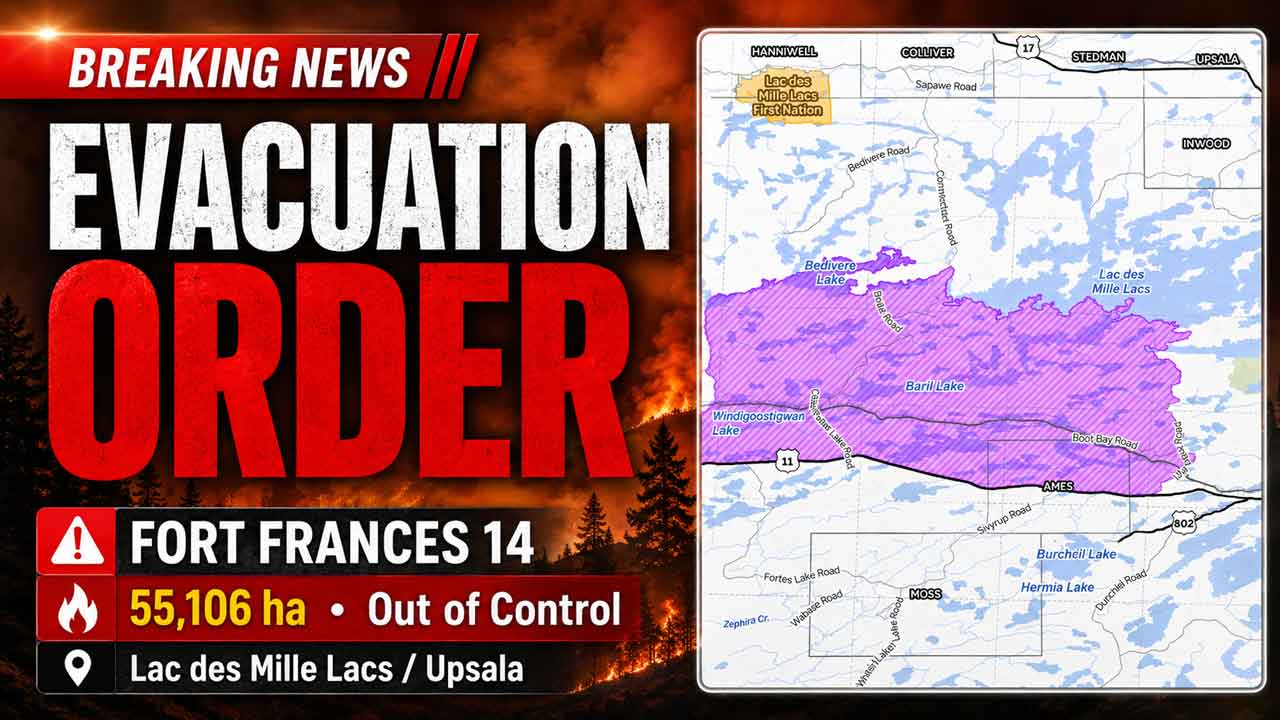
Updated Evacuation Information for Wildfire Fort Frances 14 (July 17 2026)
Environment
Updated Evacuation Information for Wildfire Fort Frances 14 (July 17 2026)
 Environment
A powerful movement of healing arrives at Delta’s Discovery Centre
Environment
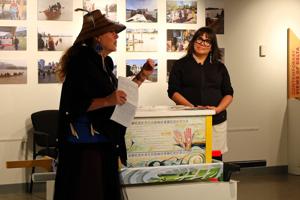
A powerful movement of healing arrives at Delta’s Discovery Centre
 Environment
EU Excludes Soybean Seed from Deforestation Rules
Environment
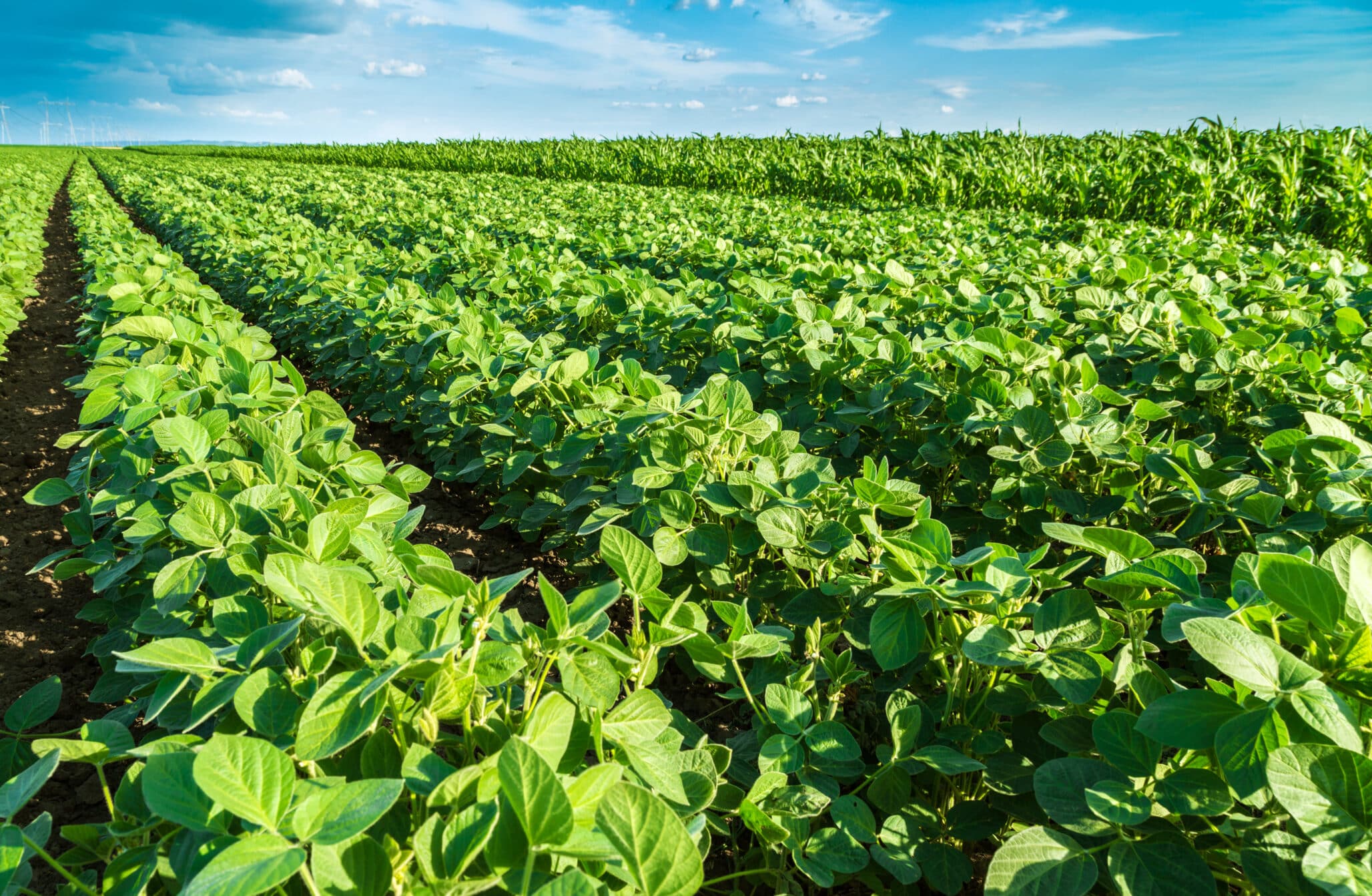
EU Excludes Soybean Seed from Deforestation Rules
 Environment
Metro Vancouver issues air quality warning as wildfire smoke drifts in
Environment
Metro Vancouver issues air quality warning as wildfire smoke drifts in
 Environment
Vancouver forecast in 'sweet spot' but hot temperatures on the way
Environment
Vancouver forecast in 'sweet spot' but hot temperatures on the way
More Local Coverage
Latest news Business
AI Market Trends: Q2 2026 Review and Forecast
Business
AI Market Trends: Q2 2026 Review and Forecast
 Politics
Powerful pro-life ad featuring boxing legend to air during final World Cup matches
Politics
Powerful pro-life ad featuring boxing legend to air during final World Cup matches