

Highlights: Trump says military orders are ready if Iran assassinates him. The US has no automatic "dead man's switch" for retaliation. JD Vance would become president and decide the response. Iran renewed calls to avenge Ayatollah Ali Khamenei's death. Experts question whether Trump's reported standing orders would be legally valid. President Donald Trump has said he has left standing military orders for the American armed forces to strike Iran if Tehran follows through on what he described as long-standing threats to kill him. However, US law does not allow any automatic military retaliation if a president is assassinated. If Trump were killed, vice president JD Vance would immediately become president under the 25th Amendment and the Presidential Succession Act of 1947. As commander in chief, Vance would have the authority to decide how the United States responds. That means military action could happen, but only if the new president approves it. There is no automatic or pre-authorized "dead man's switch" that launches an attack after a president's death. On Saturday, Trump wrote on his social media platform that Iran had threatened "to assassinate, or attempt to assassinate" him. He added that 1,000 "missiles are Locked and Loaded and aimed at the Islamic Republic of Iran, with thousands more to immediately follow, should the Iranian Government act on its threat". Hours later, Iran's supreme leader, Mojtaba Khamenei, renewed calls to avenge the death of his father, Ayatollah Ali Khamenei, who was killed during the initial US and Israeli strikes that began the war in late February. Speaking on state television, he said, "We pledge to take revenge for the pure blood of you and all the martyrs of these two wars from the criminal and disgraceful killers." He also added, "This revenge is the will of our nation and must certainly be carried out." During funeral events, many mourners held posters calling for Trump and Israeli Prime Minister Benjamin Netanyahu to be killed. The White House did not immediately respond to questions about what would happen to Trump's military orders if he were assassinated. According to reports, Israel recently warned US officials about new Iranian plots targeting Trump. While the White House declined to comment, Trump referred to the threats during the NATO summit in Turkey, saying, "They want to take out the US leader -- me." Sabrina Singh, a former deputy Pentagon press secretary, said, "Iran wanting to target senior American leaders is something that we know is happening," adding, "You have to take these as credible threats." Trump has already survived two assassination attempts during the 2024 presidential campaign. He also faced another security scare when an armed man entered the White House Correspondents' Association dinner he attended in April. This week, Trump also chose to fly on an older Air Force One instead of a newer aircraft, raising fresh security concerns. Security expert Garrett M. Graff said the United States has never created an automatic system that launches military strikes if a president dies. He explained that while the country has detailed continuity-of-government plans, any military action after a president's death would still require approval from the new commander in chief. Graff said Trump's reported standing orders may face legal questions because presidential military authority immediately transfers to the successor. He added that Trump could legally tell Vance, "If I'm killed, nuke Iran," but the final decision would still belong to the new president. The latest exchange of threats has increased tensions between Washington and Tehran. Even if Trump has prepared military plans, any US retaliation would ultimately depend on the president who takes office after him, not on an automatic system.
Highlights: President Donald Trump has said he has left standing military orders for the American armed forces to strike Iran if Tehran follows through on what he described as long-standing threats to kill him. However, US law does not allow any automatic military retaliation if a president is assassinated. If Trump were killed, vice president JD Vance would immediately become president under the 25th Amendment and the Presidential Succession Act of 1947.
As commander in chief, Vance would have the authority to decide how the United States responds. That means military action could happen, but only if the new president approves it. There is no automatic or pre-authorized "dead man's switch" that launches an attack after a president's death.
On Saturday, Trump wrote on his social media platform that Iran had threatened "to assassinate, or attempt to assassinate" him. He added that 1,000 "missiles are Locked and Loaded and aimed at the Islamic Republic of Iran, with thousands more to immediately follow, should the Iranian Government act on its threat". Hours later, Iran's supreme leader, Mojtaba Khamenei, renewed calls to avenge the death of his father, Ayatollah Ali Khamenei, who was killed during the initial US and Israeli strikes that began the war in late February.
Speaking on state television, he said, "We pledge to take revenge for the pure blood of you and all the martyrs of these two wars from the criminal and disgraceful killers." He also added, "This revenge is the will of our nation and must certainly be carried out." During funeral events, many mourners held posters calling for Trump and Israeli Prime Minister Benjamin Netanyahu to be killed.
The White House did not immediately respond to questions about what would happen to Trump's military orders if he were assassinated. According to reports, Israel recently warned US officials about new Iranian plots targeting Trump. While the White House declined to comment, Trump referred to the threats during the NATO summit in Turkey, saying, "They want to take out the US leader -- me."
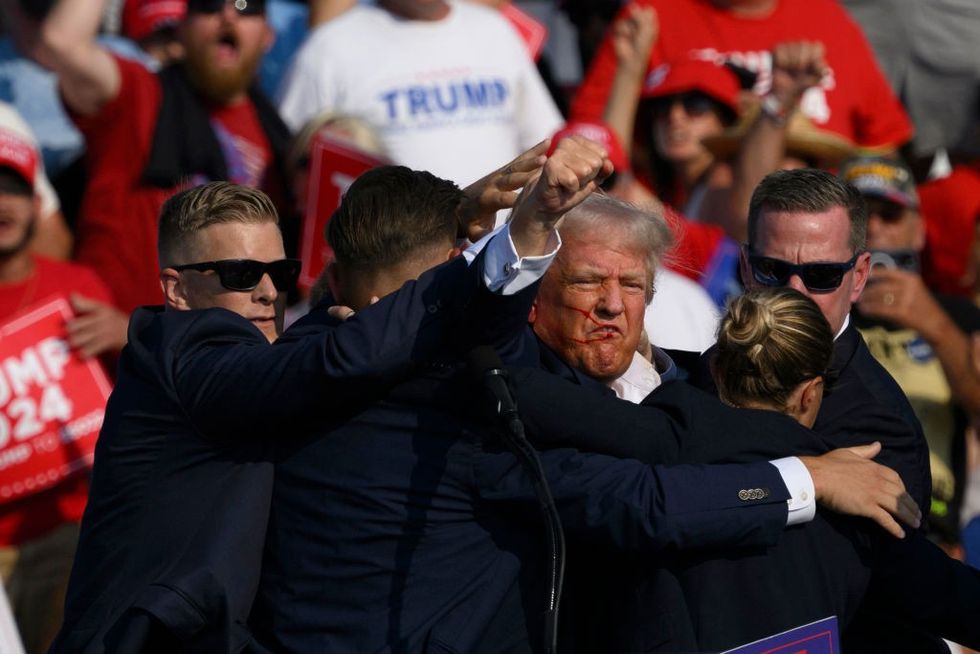
Sabrina Singh, a former deputy Pentagon press secretary, said, "Iran wanting to target senior American leaders is something that we know is happening," adding, "You have to take these as credible threats." Trump has already survived two assassination attempts during the 2024 presidential campaign. He also faced another security scare when an armed man entered the White House Correspondents' Association dinner he attended in April.
This week, Trump also chose to fly on an older Air Force One instead of a newer aircraft, raising fresh security concerns. Security expert Garrett M. Graff said the United States has never created an automatic system that launches military strikes if a president dies. He explained that while the country has detailed continuity-of-government plans, any military action after a president's death would still require approval from the new commander in chief.
Graff said Trump's reported standing orders may face legal questions because presidential military authority immediately transfers to the successor. He added that Trump could legally tell Vance, "If I'm killed, nuke Iran," but the final decision would still belong to the new president. The latest exchange of threats has increased tensions between Washington and Tehran.
Even if Trump has prepared military plans, any US retaliation would ultimately depend on the president who takes office after him, not on an automatic system.
- Published
- Jul 13, 2026
- Updated
- Jul 13, 2026
- Source
- India Weekly
- Category
- Politics
- Read time
- 3 min
Key facts
Why this matters locally
This politics story matters locally because it may affect readers, businesses, commuters, families, or public services in British Columbia.
Local impact
BC Post links this item to British Columbia coverage so readers can follow related city updates, weather, traffic, events, and category news in one place.
Timeline
Source and credit
BC Post may summarize, organize, and add local context for reader clarity. Original reporting remains with the listed publisher.
Related Articles
View all Politics
Powerful pro-life ad featuring boxing legend to air during final World Cup matches
Politics
Powerful pro-life ad featuring boxing legend to air during final World Cup matches
 Politics
Vaughn Palmer: David Eby's slow and expensive step toward involuntary care
Politics
Vaughn Palmer: David Eby's slow and expensive step toward involuntary care
 Politics
Corus rebuts misinformation about future of Global News in Alberta after layoffs
Politics
Corus rebuts misinformation about future of Global News in Alberta after layoffs
 Politics
Traditional Catholic response to Cupich’s suicide distortion
Politics
Traditional Catholic response to Cupich’s suicide distortion
 Politics
Bell: Bike lane clash in Edmonton, is Calgary next in line for a fight?
Politics
Bell: Bike lane clash in Edmonton, is Calgary next in line for a fight?
 Politics
‘No consequences’: East Van woman says she was targeted by hate-motivated assault
Politics
‘No consequences’: East Van woman says she was targeted by hate-motivated assault
More Local Coverage
Latest news Business
AI Market Trends: Q2 2026 Review and Forecast
Business
AI Market Trends: Q2 2026 Review and Forecast
 Top
‘Entire city’ asked to help search for missing 11-year-old Parker: Calgary police
Top
‘Entire city’ asked to help search for missing 11-year-old Parker: Calgary police
 Local News
Cowichan sports shorts: rugby, hockey, biking
Local News
Cowichan sports shorts: rugby, hockey, biking