

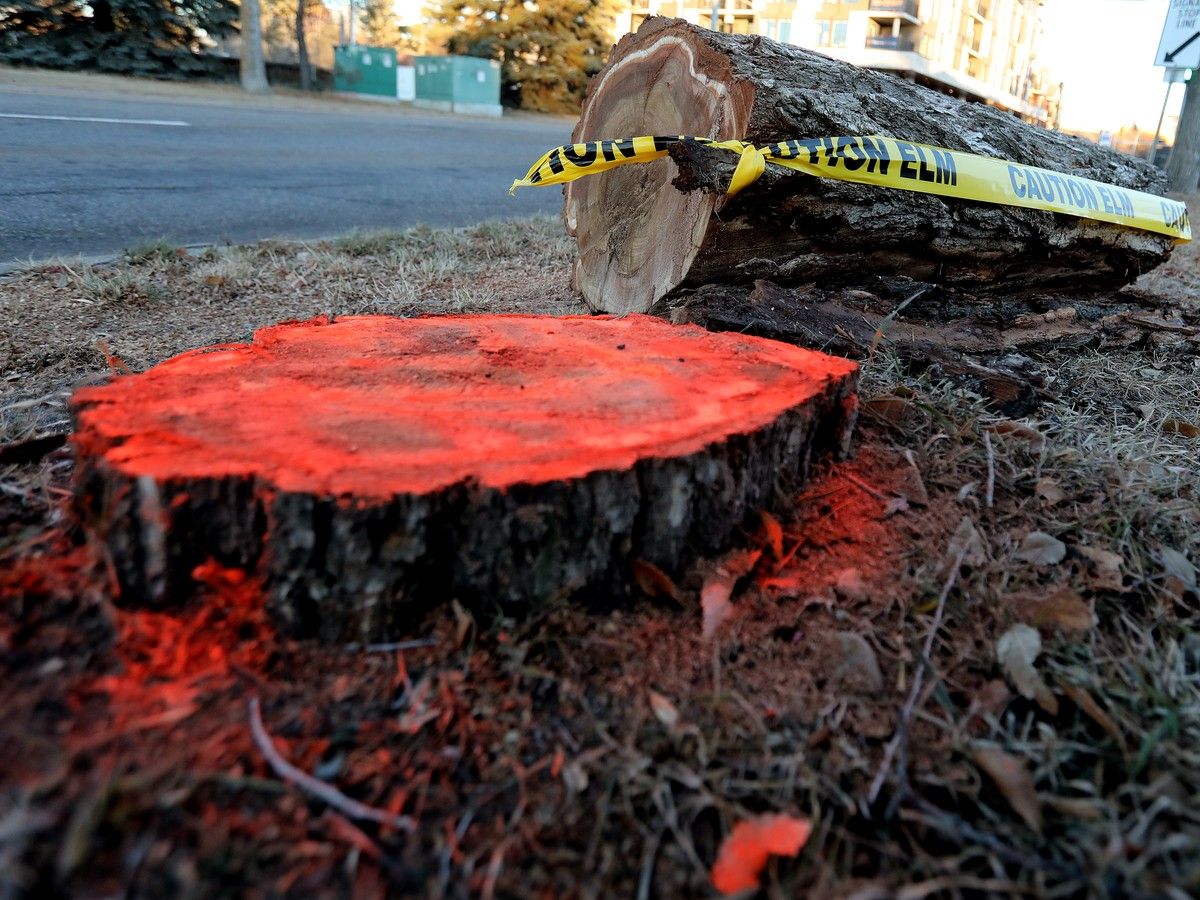
Elm trees make up nearly 22 per cent of Edmonton’s boulevard and open-space trees, with an estimated population of around 90,000 trees
The two trees were both on city property and in decline, the city said in a Tuesday news release. They have been “proactively removed as part of ongoing efforts to contain the spread” of DED. This brings the total number of cases to nine since it was first detected in Edmonton trees in 2024.
“These cases were identified by our integrated team of arborists, urban foresters and pest management biologists as they continue intensified surveillance and testing of elm trees across the city,” said Nicole Fraser, acting director of Parks and Urban Forestry, in the release. “We continue removals, daily assessments and testing in coordination with the province and Canadian Food Inspection Agency.” The established DED protocol zone, which includes the Northmount neighbourhood, has now been expanded to include a one-kilometre radius around the affected trees.
These zones are established in areas where DED has been confirmed to allow for heightened monitoring, assessments and tree maintenance. Dutch elm disease is a contagious fungal infection that poses a significant risk to both the infected trees and all surrounding elm trees. The city’s approach involves the swift removal of both infected and adjacent elms, as well as a consistent and precise pruning program that removes deadwood from elms, which act as habitats for the beetles that spread the fungus.
The city also monitors and assesses elm trees within a one-kilometre radius of the infected tree. Elm trees make up nearly 22 per cent of Edmonton’s boulevard and open-space trees, with an estimated population of around 90,000 trees. The city has conducted 185,510 visual surveys and submitted 57 samples for testing this year.
Disposal of all removed elms occurs at the Edmonton Waste Management Centre in accordance with special handling procedures for elm wood. While the city enacts measures to reduce potential infection, it is asking Edmonton residents to take a few simple actions to help stop the spread. Residents are asked not to bring in or use any firewood from outside of Edmonton and instead “burn it where you buy it,” since that is the most common way beetles carrying Dutch elm disease are brought to the city.
You can also support our journalism by becoming a digital subscriber. Subscribers gain unlimited access to The Edmonton Journal, Edmonton Sun, National Post and 13 other Canadian news sites. Support us by subscribing today: The Edmonton
Source and reference
Journal | The Edmonton Sun.
Read original source- Published
- Jul 14, 2026
- Updated
- Jul 14, 2026
- Source
- Edmonton Journal
- Category
- Environment
- Read time
- 2 min
Key facts
Why this matters locally
This environment story matters locally because it may affect readers, businesses, commuters, families, or public services in British Columbia.
Local impact
BC Post links this item to British Columbia coverage so readers can follow related city updates, weather, traffic, events, and category news in one place.
Timeline
Source and credit
BC Post may summarize, organize, and add local context for reader clarity. Original reporting remains with the listed publisher.
Related Articles
View all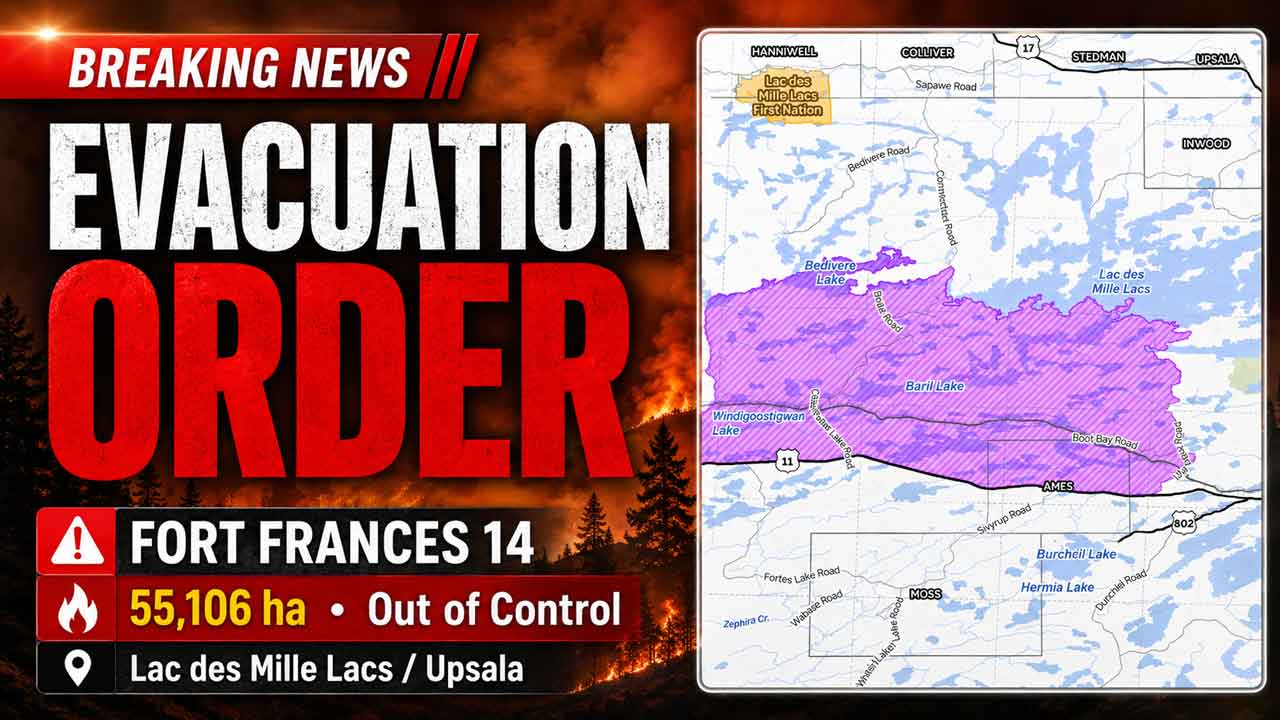 Environment
Updated Evacuation Information for Wildfire Fort Frances 14 (July 17 2026)
Environment
Updated Evacuation Information for Wildfire Fort Frances 14 (July 17 2026)
 Environment
50-hectare wildfire burns between Clearwater and 100 Mile House
Environment
50-hectare wildfire burns between Clearwater and 100 Mile House
 Environment
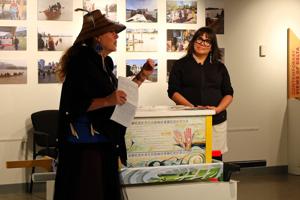
A powerful movement of healing arrives at Delta’s Discovery Centre
Environment
A powerful movement of healing arrives at Delta’s Discovery Centre
 Environment
Port Coquitlam mayor launches program that removes graffiti on public property within 48 hours
Environment
Port Coquitlam mayor launches program that removes graffiti on public property within 48 hours
 Environment
'Fending for ourselves' after Manitoba wildfire forces evacuation: O-Pipon-Na-Piwin leaders
Environment
'Fending for ourselves' after Manitoba wildfire forces evacuation: O-Pipon-Na-Piwin leaders
 Environment
2 wildfires north of Anahim Lake currently out-of-control
Environment
2 wildfires north of Anahim Lake currently out-of-control
More Local Coverage
Latest news Business
AI Market Trends: Q2 2026 Review and Forecast
Business
AI Market Trends: Q2 2026 Review and Forecast
 Politics
Powerful pro-life ad featuring boxing legend to air during final World Cup matches
Politics
Powerful pro-life ad featuring boxing legend to air during final World Cup matches
 Local News
Cowichan sports shorts: rugby, hockey, biking
Local News
Cowichan sports shorts: rugby, hockey, biking