


The US is advancing talks for a pipeline that would carry oil from Iraq to Syria, a route that avoids the Strait of Hormuz and would reduce Iran’s future leverage over global energy supplies.
(Bloomberg) — The US is advancing talks for a pipeline that would carry oil from Iraq to Syria, a route that avoids the Strait of Hormuz and would reduce Iran’s future leverage over global energy supplies. Thomas Barrack, US special envoy for Syria and Iraq, has convened discussions with officials from both countries as well as companies including Chevron Corp. about reviving a long-defunct pipeline from Iraq to Syria’s western coast, according to people familiar with the matter.
While multiple routes for new links are being considered, talks are focusing on rebuilding the Kirkuk to Baniyas pipeline that has been shut for more than two decades, the people said. A State Department official confirmed the US government is supporting efforts by Iraq and Syria to enhance trade routes through rehabilitating the pipeline between the two countries and expects American companies to play a role in its construction. Earlier Tuesday, President Donald Trump met with Iraqi Prime Minister Ali Al-Zaidi at the White House and said “massive” new oil partnerships will be announced this or next week.
The flare-up in tensions in the Middle East over the past week highlights the need for long-term alternatives to the Strait of Hormuz, which was closed for much of the war causing the biggest energy supply disruption in history and hurting the region’s economies. Countries including Iraq and Kuwait are examining whether they can replicate the United Arab Emirates and Saudi Arabia’s success in bypassing Hormuz for some of their oil supplies using pipelines built years ago. The Syrian port of Baniyas on the Mediterranean coast, already home to the country’s biggest refinery, is emerging as an early frontrunner to receive Iraqi crude oil and become an expanded export gateway to global markets.
Chevron, TotalEnergies SE, Los Angeles-based TI Capital and Qatar’s UCC Holding have all been part of discussions to expand Syria’s role as an export hub in recent weeks, according to the people who asked not to be named because the talks aren’t public. Building pipelines in Syria, however, would be riddled with challenges. The likely routes would run through Iraq’s western Anbar province and eastern Syria, where Islamic State cells remain active.
Any company investing would be making a bet on the nation’s fledging government’s ability to stabilize the nation after a protracted and bloody civil war. Chevron, which signed accords about potential oil projects in Iraq and Syria in recent months, declined to comment. The company has been in talks with Iraq about investing in the country’s Nasiriya and West Qurna-2 fields since last year.
Total, TI Capital and UCC Holding didn’t respond to requests for comment. Iraq, the second-biggest producer in OPEC before the war, relies heavily on the Strait of Hormuz and has been forced to reduce its oil production 60% during the conflict, straining government finances in a country with a long history of civil unrest. Trump backed Al-Zaidi’s for the post of prime minister in April, believing his main rival — former premier Nouri al-Maliki — was too close to Iran.
Al-Zaidi is a political novice, but the White House hopes he can clamp down on Iran-backed militias in Iraq while opening up the country’s oil sector more to American companies. One option Barrack is promoting is rebuilding the Kirkuk-Baniyas pipeline, a 500-mile (800-kilometer) system that’s been shut since being damaged during the US invasion of Iraq in the early 2000s. Another alternative is installing a line from Basra in the south of the country to Haditha in the north, which could then branch out to Syria, Turkey or Jordan.
Earlier this month, Iraq’s government authorized state-owned Basra Oil Co. to award a contract to Houston-based engineering firm KBR Inc. to advise on the idea. Iraq is keen to attract foreign investment that would reduce reliance on its southern ports on the Persian Gulf. It currently has just one major export pipeline that transports oil from the north to Turkey’s port of Ceyhan on the Mediterranean Sea.
Iraq’s new pipeline prospects appear to have a willing partner in Syrian President Ahmed al-Sharaa, who is attempting to reintegrate the country with the international community after a 14-year civil war. Al-Sharaa, a former jihadist who helped topple Bashar al-Assad in 2024, was warmly received on the sidelines of the NATO summit earlier this month by US President Donald Trump, who pledged to remove terrorism sanctions on the country. The US has lifted several other restrictions on Syria over the past year, allowing companies including Chevron, Total and ConocoPhillips to open negotiations about exploring for oil in the country.
“Syria may become a complete destination for reducing risks and diversifying export options,” Basel Al Suwaidan, Syria’s agriculture minister said in an interview. “This gives Syria an important role in the next phase.” Syrian pipelines, however, have a history of shutdowns.
First built in the 1950s, the Kirkuk-Baniyas system was halted in the 1970s and again in the early 1980s due to souring relations between Iraq and Syria. Its revival could become one of Iraq’s main export routes to the Mediterranean, making it a potential target during periods of regional tensions. Iran-backed armed groups in Iraq, who already openly voice their opposition to deeper energy cooperation with Sharaa’s Syria, could see it as undermining Tehran’s interests and disrupt its operations.
Practical challenges exist too. Much of the Kirkuk-Baniyas pipeline has been out of use for decades and would need to be rebuilt, alongside pumping stations and other infrastructure, potentially costing billions of dollars. French President Emmanuel Macron visited Damascus earlier this month becoming the first European leader to do so since al-Assad’s fall.
The trip, which was disrupted by explosions in Damascus that injured about a dozen people, was intended to foster regional stability and diversify supply routes between Europe and the Middle East, according to France’s presidential palace “Syria sits at a strategic crossroads in the Middle East,” Patrick Pouyanne, who is the CEO French oil giant Total and attended the trip, told reporters while in Damascus. “If, for example, you want to transport Iraqi oil without relying on the Strait of Hormuz, Syria becomes an important transit route. That’s why the country matters.”
—With assistance from Selcan Hacaoglu, Francois de Beaupuy, Ania Nussbaum and Eric Martin.
- Published
- Jul 14, 2026
- Updated
- Jul 14, 2026
- Source
- Financial Post
- Category
- Politics
- Read time
- 5 min
Key facts
Why this matters locally
This politics story matters locally because it may affect readers, businesses, commuters, families, or public services in British Columbia.
Local impact
BC Post links this item to British Columbia coverage so readers can follow related city updates, weather, traffic, events, and category news in one place.
Timeline
Source and credit
BC Post may summarize, organize, and add local context for reader clarity. Original reporting remains with the listed publisher.
Related Articles
View all Politics
Powerful pro-life ad featuring boxing legend to air during final World Cup matches
Politics
Powerful pro-life ad featuring boxing legend to air during final World Cup matches
 Politics
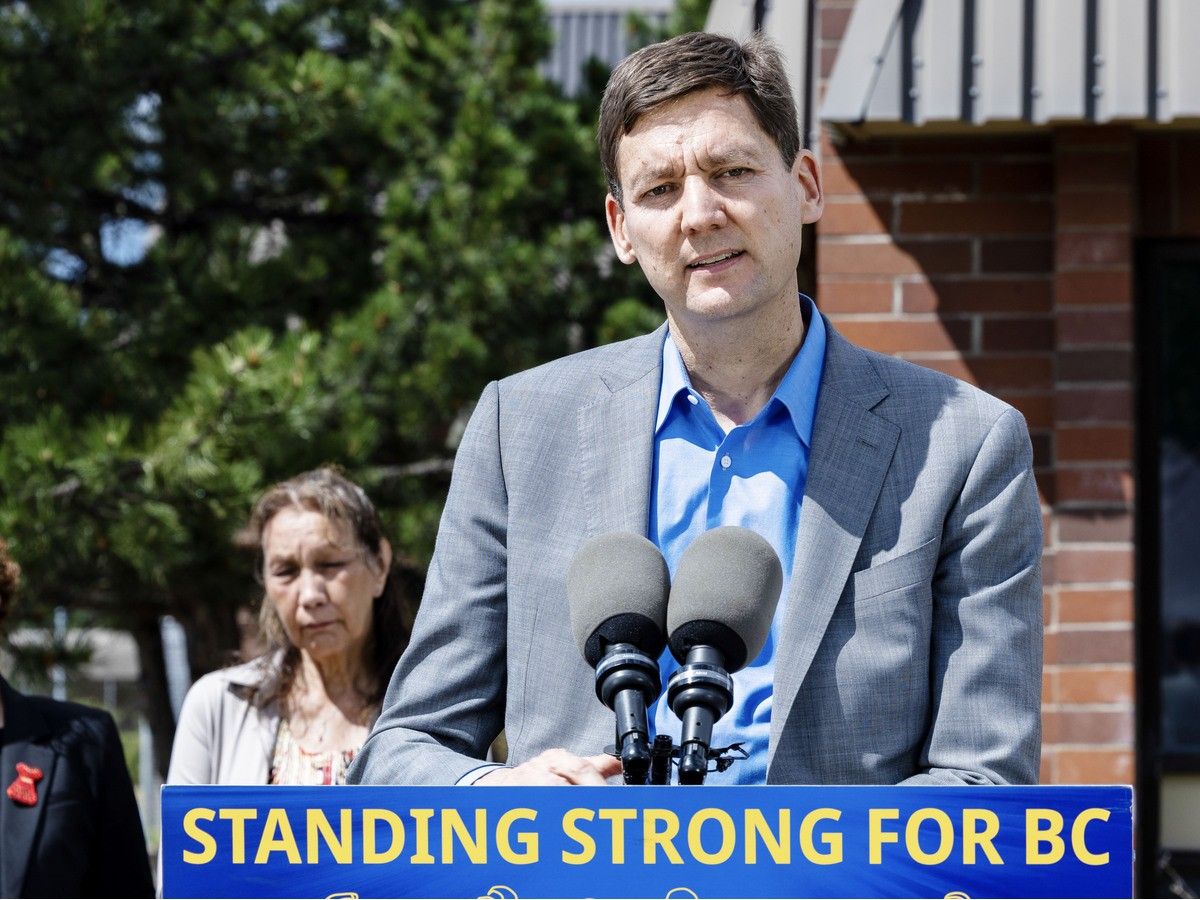
Vaughn Palmer: David Eby's slow and expensive step toward involuntary care
Politics
Vaughn Palmer: David Eby's slow and expensive step toward involuntary care
 Politics
Corus rebuts misinformation about future of Global News in Alberta after layoffs
Politics
Corus rebuts misinformation about future of Global News in Alberta after layoffs
 Politics
Pitt Meadows to host information session for city council candidates
Politics
Pitt Meadows to host information session for city council candidates
 Politics
Traditional Catholic response to Cupich’s suicide distortion
Politics
Traditional Catholic response to Cupich’s suicide distortion
 Politics
‘No consequences’: East Van woman says she was targeted by hate-motivated assault
Politics
‘No consequences’: East Van woman says she was targeted by hate-motivated assault
More Local Coverage
Latest news Business
AI Market Trends: Q2 2026 Review and Forecast
Business
AI Market Trends: Q2 2026 Review and Forecast
 Local News
Cowichan sports shorts: rugby, hockey, biking
Local News
Cowichan sports shorts: rugby, hockey, biking