

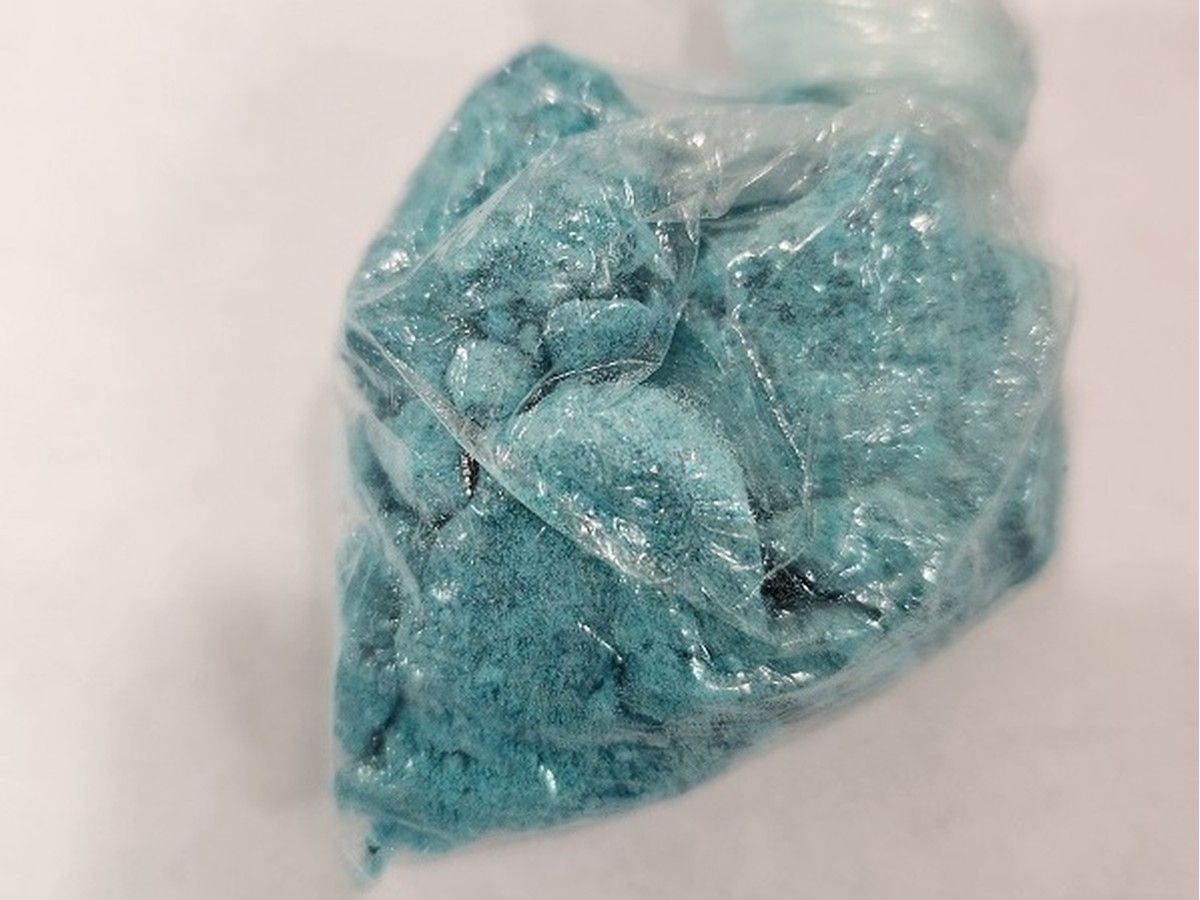
The tranquilizer, medetomidine, has been turning up in Calgary's wastewater tracking
The presence of a powerful animal tranquilizer in the local fentanyl supply is raising concerns about could be a heightened risk to users amid the closure of Calgary’s supervised consumption site. The tranquilizer, medetomidine, has been turning up in wastewater tracking and other sampling, said Dr. Monty Ghosh, a University of Calgary researcher who also closely monitors the usage of street drugs in the city. He said the substance – which intensifies fentanyl’s high – was first noticeable in Calgary last October.
“It’s much more prevalent than it was before...that could increase (the number of) deaths and we’re seeing patients with bad withdrawals.” Those withdrawals, he said, are characterized with dangerous reactions such as skyrocketing blood pressure. Ghosh said the menacing mixture also erodes the ability of naloxone to reverse overdoses.
“With the application of naloxone, that medetomidine piece is still there, you have to let it dissipate on its own,” he said. That brings into question the June 30 closure of the supervised consumption component at the Sheldon M. Chumir Health Centre that had been operating for nearly a decade, he said. “It’s still too early to say from a medical perspective what the impact of the closure is but because the drug supply is always shifting, we could see a spike of overdoses,” he said.
“Was the Chumir site perfect? No, but instead of closing it maybe find a different way.” Replacing the Safeworks site is a Recovery Response Team based there, operating 24 hours a day, seven days a week.
It will also offer “ increased access to withdrawal management and recovery supports, ” said Recovery Alberta. The province says it also provides rapid access to addiction recovery medications, nursing assessment, peer support, recovery management, connections to social assistance and help with transitioning to withdrawal and addiction treatment services. Ghosh said the end of the supervised consumption site has meant less social disruption around the Chumir health centre “but it’s shifted and moved into the downtown core with people shooting up in alleyways.”
A person who helps run an outreach program for the city’s vulnerable population echoed that view and also said the closure puts them at greater risk, partly due to the tainted drug supply. “The supply of opioids is getting more dangerous, naloxone doesn’t do anything and without that physical space to go to, people are back to going to the alleys and parks,” said Cecilia Fraser of the group Street Cats. “With the closure of the site, we’re kind of playing it by ear.”
She also said the end of free access to drug paraphernalia will lead to more communicable diseases and deaths. “People are fashioning pipes out of whatever they can find,” said Fraser. The UCP government says the more recent move towards a treatment and recovery focus has contributed to a 39 per cent reduction in deaths from mostly opioid overdoses in Alberta since the height of the crisis in 2023.
But the 2025 fatality number, at 1,145, was down just four per cent last year over with Edmonton seen as the epicentre for the problem, due largely to the prevalence of carfentanil which is 50 to 100 times more powerful than fentanyl. In Edmonton, a record 764 people died from opioids last year compared to 220 in Calgary. “There’s been a huge number of deaths in Edmonton because of the (toxic) drug supply, the crisis isn’t over, it’s raging in Edmonton,” said Ghosh, adding he fears carfentanil making inroads in Calgary.
The province has held off closing Edmonton’s two supervised consumption sites, saying the situation there isn’t yet conducive to making the move. The provincial has been adamantly opposed to providing a regulated drug supply to counter toxic substances, insisting B.C.’s since-abandoned experience with such a program has proven a failure. Provincial officials say they’re well aware of the presence of medetomidine but add no known deaths have been attributed to it.
“ All illicit drugs should be considered dangerous and potentially deadly,” said an email from the ministry of Mental Health and Addictions. “Fentanyl continues to account for the vast majority of illicit drug-related deaths in Alberta, including in Calgary.” They also reiterated their commitment to recovery and treatment over harm reduction which involves supervised consumption sites.
“ Evidence shows that connecting individuals to treatment and recovery services leads to better long-term outcomes than systems that leave people trapped in cycles of addiction,” stated the ministry. BKaufmann@postmedia.com X: @BillKaufmannjrn
- Published
- Jul 13, 2026
- Updated
- Jul 13, 2026
- Source
- Calgary Herald
- Category
- Politics
- Read time
- 3 min
Key facts
Why this matters locally
This politics story matters locally because it may affect readers, businesses, commuters, families, or public services in British Columbia.
Local impact
BC Post links this item to British Columbia coverage so readers can follow related city updates, weather, traffic, events, and category news in one place.
Timeline
Source and credit
BC Post may summarize, organize, and add local context for reader clarity. Original reporting remains with the listed publisher.
Related Articles
View all Politics
Powerful pro-life ad featuring boxing legend to air during final World Cup matches
Politics
Powerful pro-life ad featuring boxing legend to air during final World Cup matches
 Politics
Vaughn Palmer: David Eby's slow and expensive step toward involuntary care
Politics
Vaughn Palmer: David Eby's slow and expensive step toward involuntary care
 Politics
Corus rebuts misinformation about future of Global News in Alberta after layoffs
Politics
Corus rebuts misinformation about future of Global News in Alberta after layoffs
 Politics
Pitt Meadows to host information session for city council candidates
Politics
Pitt Meadows to host information session for city council candidates
 Politics
Traditional Catholic response to Cupich’s suicide distortion
Politics
Traditional Catholic response to Cupich’s suicide distortion
 Politics
‘No consequences’: East Van woman says she was targeted by hate-motivated assault
Politics
‘No consequences’: East Van woman says she was targeted by hate-motivated assault
More Local Coverage
Latest news Business
AI Market Trends: Q2 2026 Review and Forecast
Business
AI Market Trends: Q2 2026 Review and Forecast
 Local News
Cowichan sports shorts: rugby, hockey, biking
Local News
Cowichan sports shorts: rugby, hockey, biking