


OpenAI accused of conspiring with former Apple employees to steal trade secrets.
Apple is gunning for OpenAI, demanding steep penalties after stumbling on a “rare” bug that temporarily allowed a poached employee that joined OpenAI to maintain access to confidential information on Apple servers for weeks after his termination. In a lawsuit filed Friday, Apple sought several injunctions blocking OpenAI from using confidential information allegedly stolen by former employees. According to Apple’s complaint, OpenAI conspired with former Apple employees as part of a grand scheme to “take an unlawful shortcut” and launch a line of AI-powered devices as marketable as Apple’s iPhone.
Apple explained that it found a bug while investigating internal messages between a then-current employee, Yu-Ting “Alyssa” Peng, and an engineer who spent eight years “working on some of Apple’s most sensitive product development programs,” Chang Liu. Liu left Apple for OpenAI in January 2026. However, on February 9, Liu discovered an “authentication bug” that was unknown to Apple at the time.
The bug allowed him to “access Apple’s shared network folders,” while using an Apple-issued work laptop that he should have returned, the lawsuit said. Rather than report the bug to Apple, Liu allegedly seized the opportunity to download files detailing various aspects of Apple’s business. Specifically, Apple alleged that “over several weeks, while developing hardware for OpenAI, Mr. Liu surreptitiously accessed and downloaded dozens of Apple’s confidential hardware-related files, including voluminous, detailed information about unreleased products, engineering presentations, technical specifications, and proprietary project data,” the lawsuit claimed.
Particularly concerning to Apple, Liu allegedly downloaded a presentation on Apple’s complex circuit boards that Apple claimed would be “invaluable to anyone developing hardware.” Some files were “expressly labeled as confidential,” Apple claimed. “LOL,” Liu wrote in a message to Peng, which was among many mocking Apple that Liu apparently left on his Apple-issued work laptop.
“I found out I can access the [network storage], so funny.” In a footnote, Apple confirmed that the bug was “quickly fixed” after they found Liu’s messages and that it did not appear to be widely exploited. “Although Apple is still investigating, server logs show that, unlike Mr. Liu, the few other users affected by this bug do not appear to have accessed or stolen Apple’s confidential information,” the lawsuit said.
- Published
- Jul 13, 2026
- Updated
- Jul 13, 2026
- Source
- Ars Technica
- Category
- Technology
- Read time
- 2 min
Key facts
Why this matters locally
This technology story matters locally because it may affect readers, businesses, commuters, families, or public services in British Columbia.
Local impact
BC Post links this item to British Columbia coverage so readers can follow related city updates, weather, traffic, events, and category news in one place.
Timeline
Source and credit
BC Post may summarize, organize, and add local context for reader clarity. Original reporting remains with the listed publisher.
Related Articles
View all Technology
Transformer-manufacturing company to shut down its Chilliwack facility
Technology
Transformer-manufacturing company to shut down its Chilliwack facility
 Technology
Apple’s Lawsuit Could Choke OpenAI’s iPhone Rival Before It Even Ships
Technology
Apple’s Lawsuit Could Choke OpenAI’s iPhone Rival Before It Even Ships
 Technology
Spectro Cloud Raises $100 Million Series D to Help Customers Move AI Infrastructure Into Production Across Enterprise, Public Sector, Neocloud and Sovereign Cloud Environments
Technology
Spectro Cloud Raises $100 Million Series D to Help Customers Move AI Infrastructure Into Production Across Enterprise, Public Sector, Neocloud and Sovereign Cloud Environments
 Technology
Quebec announces plan to train more aerospace workers as demand surges
Technology
Quebec announces plan to train more aerospace workers as demand surges
 Technology
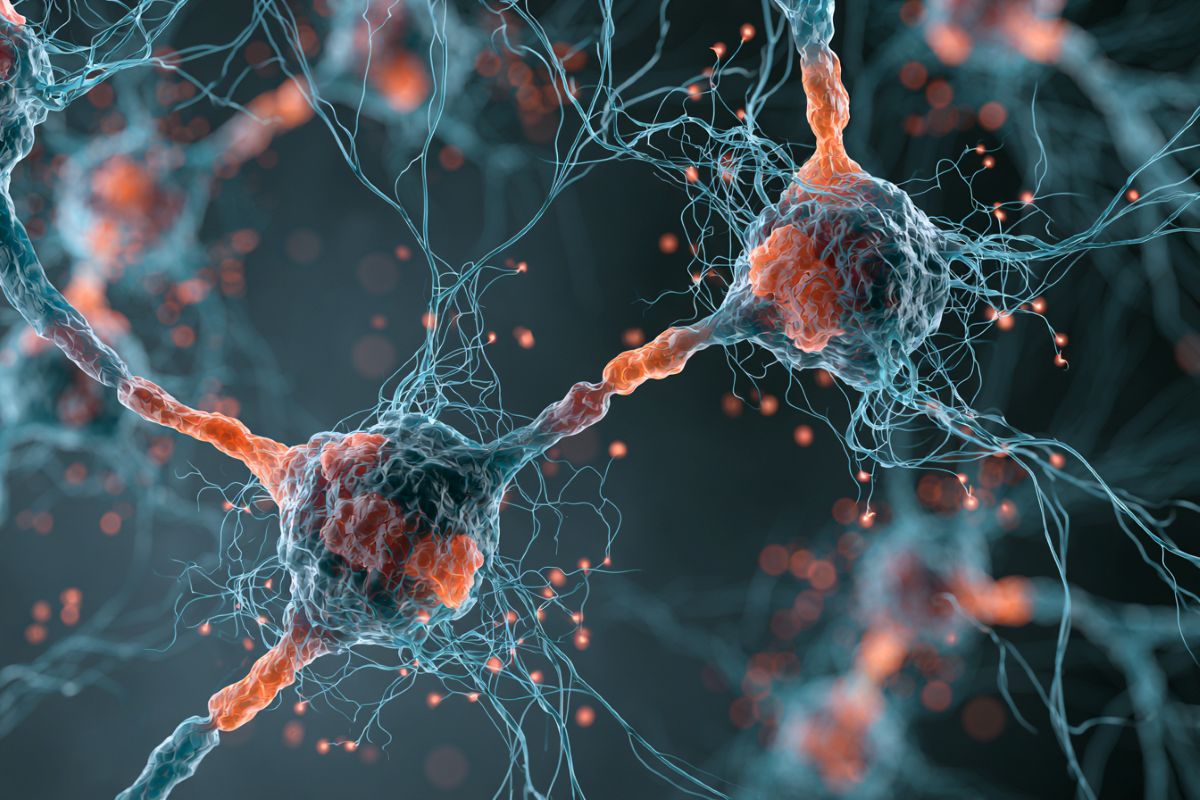
ECT Reprograms Adult Neurons into a Youthful State
Technology
ECT Reprograms Adult Neurons into a Youthful State
 Technology
GO train users could face delays, cancellations due to ‘crew constraints’: Metrolinx
Technology
GO train users could face delays, cancellations due to ‘crew constraints’: Metrolinx
More Local Coverage
Latest news Business
AI Market Trends: Q2 2026 Review and Forecast
Business
AI Market Trends: Q2 2026 Review and Forecast
 Politics
Powerful pro-life ad featuring boxing legend to air during final World Cup matches
Politics
Powerful pro-life ad featuring boxing legend to air during final World Cup matches