


It might be best to slow down when driving past shelterbelts parallel to grid roads in the province.
It might be best to slow down when driving past shelterbelts parallel to grid roads in the province. Nature Saskatchewan says these are becoming popular nesting spots for shrikes. The loggerhead shrike is a small, but fierce predatory songbird that spends its summers in Saskatchewan while raising its young.
While they don’t have sharp talons like other predatory birds, shrikes will often impale their prey on thorns or even barbed wire. The birds tend to prefer thorny shrubs like Buffaloberry and Hawthorn, but have also increasingly begun to use shelterbelts like caragana. That’s why habitat stewardship coordinator Emily Putz says it’s important for drivers to slow down on grid roads near shelterbelts.
“The young fledglings will be leaving their nest soon and are often attracted to roadways to hunt insects, they can’t fly well yet and road mortality is a large risk to them,” Putz said. She said people can watch out for impalements as signs that shrikes are nearby. “Look for caterpillars, beetles, grasshoppers, mice, even frogs and snakes, if you see one impaled you have a shrike nearby!”
she added. Nature Saskatchewan explained that people can keep an ear open for the shrieking, begging call of fledgling shrikes. The release said people can help the threatened species by planting native thorny shrubs, keeping mature shelterbelts on the landscape in cropland and reporting sightings to the Shrubs for Shrikes program.
“Every sighting is kept anonymous and goes towards helping recovery by informing population and range year to year. If you are a landowner with Loggerhead Shrikes on your land, we would love to have you participate!” the release read.
“The program runs an annual “census” to monitor known nesting locations.” People can find out more by contacting Nature Saskatchewan.
- Published
- Jul 14, 2026
- Updated
- Jul 14, 2026
- Source
- Ctv News
- Category
- Crime
- Read time
- 1 min
Key facts
Why this matters locally
This crime story matters locally because it may affect readers, businesses, commuters, families, or public services in British Columbia.
Local impact
BC Post links this item to British Columbia coverage so readers can follow related city updates, weather, traffic, events, and category news in one place.
Timeline
Source and credit
BC Post may summarize, organize, and add local context for reader clarity. Original reporting remains with the listed publisher.
Related Articles
View all Crime
Video shows rescue of lone survivor from deadly B.C. helicopter crash
Crime
Video shows rescue of lone survivor from deadly B.C. helicopter crash
 Crime
A dozen cats are missing after New Westminster apartment fire that displaced roughly 100 residents
Crime
A dozen cats are missing after New Westminster apartment fire that displaced roughly 100 residents
 Crime
B.C. seeks forfeiture of alleged gangster’s properties worth more than $6.2 million
Crime
B.C. seeks forfeiture of alleged gangster’s properties worth more than $6.2 million
 Crime
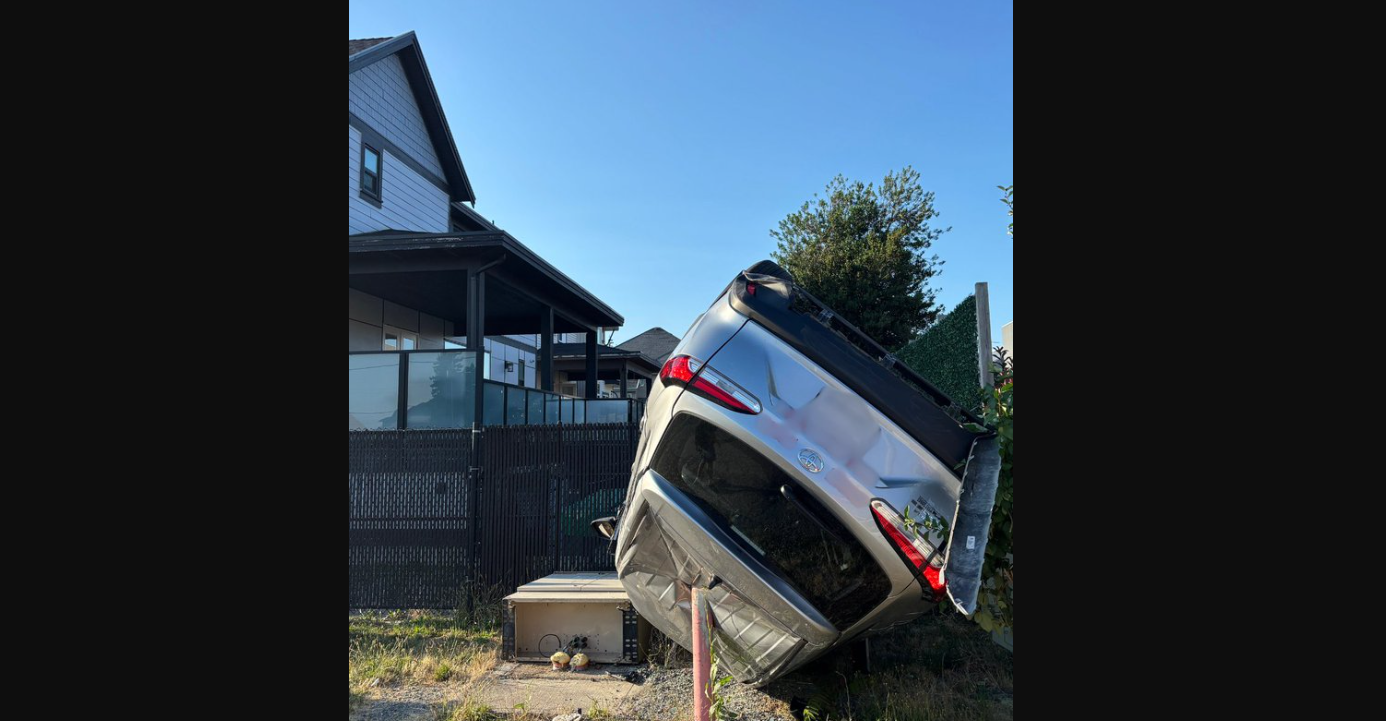
‘N’ driver involved in Abbotsford rollover crash, police say
Crime
‘N’ driver involved in Abbotsford rollover crash, police say
 Crime
Motorcycle impounded after new rider reaches ‘shocking speed’ on B.C. highway
Crime
Motorcycle impounded after new rider reaches ‘shocking speed’ on B.C. highway
 Crime
Pedestrian struck by bus, critically injured in Surrey
Crime
Pedestrian struck by bus, critically injured in Surrey
More Local Coverage
Latest news Business
AI Market Trends: Q2 2026 Review and Forecast
Business
AI Market Trends: Q2 2026 Review and Forecast
 Politics
Powerful pro-life ad featuring boxing legend to air during final World Cup matches
Politics
Powerful pro-life ad featuring boxing legend to air during final World Cup matches