

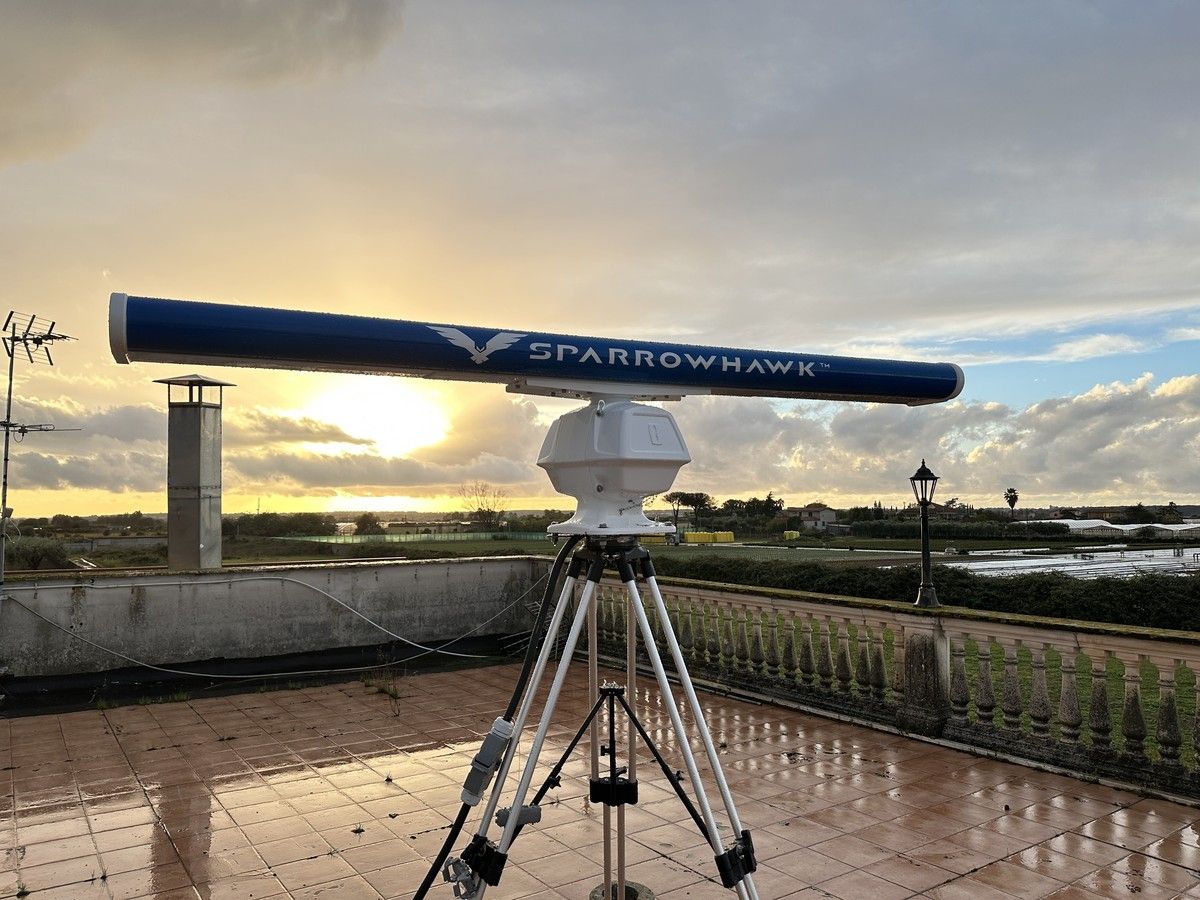
The portable ground-based radar provides drone users with a 'detect and avoid' capability needed for flights over controlled civilian airspace, said Sean Greenwood, CEO of Canadian UAVs
A Canadian company has received government certification for a new radar that will allow drones to avoid collisions with manned planes, paving the way for more use of remotely piloted aircraft over civilian locations. The Sparrowhawk radar, developed in Calgary, is considered unique in that it has received certification from Transport Canada as well as the U.S. Federal Aviation Administration. The portable ground-based radar provides drone users with a “detect and avoid” capability needed for flights over controlled civilian airspace, said Sean Greenwood, CEO of Canadian UAVs, which developed the system.
“Canada is setting the standard for the world,” he added. Specialized permits are usually needed for drone operations over controlled civilian airspace, and having the government-approved radar that can allow drone users to detect and avoid aircraft in their flight area simplifies the process and allows for safe operations, Greenwood said. The system can be used for drone operations beyond the line of sight of an operator.
“It enables you to make sure you will not hit (a manned aircraft),” said Greenwood. “It’s really about providing a level of safety and understanding.” The company has already sold the radars to public safety organizations in the United Kingdom and Texas, as well as the Royal Canadian Navy and the British military.
The British military will use the system for its future drone operations at Canadian Forces Base Suffield, Alta. While airspace over military bases is restricted, manned civilian aircraft are used at Suffield to inspect oil and gas pipelines on the base, Greenwood added. The equipment could also be used at facilities like the Port of Vancouver to fly drones for security checks while avoiding civilian aircraft in the area like float planes.
Greenwood said the radar, which was government approved after a multi-year process and 50,000 hours of testing and operations, can also be used for military missions in countering drones. He said the firm is now working with Ukraine on developing that capability further. Ukraine has been using various systems to defend itself against Russian drone attacks in the ongoing war between the two countries.
Greenwood said a series of the low-cost radars could also be set up to protect critical infrastructure in Canada. He pointed to the oil storage facilities in the Edmonton area as an example. “An $8,000 drone can take that out in a heartbeat and there is nothing to protect it there now,” Greenwood explained.
“We are extremely vulnerable from that perspective.” Drone operations have significantly expanded worldwide, with the uninhabited aerial vehicles being used in industries from mining to agriculture. Drones have also radically changed warfare.
Some of the smaller systems, which can cost less than $500, are currently being widely used in the Russia-Ukraine war as well as in fighting in Gaza and Lebanon. Larger systems are being used in the Iran-U.S. war. Last year, defence officials used downtown Ottawa to test new technologies to track mini-drones in an urban setting.
The tests, which ran Nov. 24 to Nov. 28, involved Canadian Forces personnel, defence science experts, the RCMP and officials from the U.S. government. In addition, the Canadian military is purchasing a larger drone fleet from the U.S. The federal government announced on Dec. 19, 2023, that Canada would buy 11 of the General Atomics MQ-9B Reapers for $2.5 billion.
The new drones, being built in the U.S., will be stationed at 14 Wing Greenwood, N.S., and 19 Wing Comox, B.C. The drones were originally expected to be delivered in 2025, but that will be delayed until 2028 as modifications are made to the aircraft to deal with Arctic conditions. The Ottawa installation, to be ready by 2028, will be around 6,000 square metres in size.
It will be home to almost 200 military personnel. David Pugliese is an award-winning journalist covering Canadian Forces and military issues in Canada. To support his work, including exclusive content for subscribers only, sign up here: ottawacitizen.com/subscribe
- Published
- Jul 14, 2026
- Updated
- Jul 14, 2026
- Source
- Ottawa Citizen
- Category
- Top
- Read time
- 3 min
Key facts
Why this matters locally
This top story matters locally because it may affect readers, businesses, commuters, families, or public services in British Columbia.
Local impact
BC Post links this item to British Columbia coverage so readers can follow related city updates, weather, traffic, events, and category news in one place.
Timeline
Source and credit
BC Post may summarize, organize, and add local context for reader clarity. Original reporting remains with the listed publisher.
Related Articles
View all Top
‘Entire city’ asked to help search for missing 11-year-old Parker: Calgary police
Top
‘Entire city’ asked to help search for missing 11-year-old Parker: Calgary police
 Top
Rock the Lake celebrated its ninth year at Prospera Place this past weekend
Top
Rock the Lake celebrated its ninth year at Prospera Place this past weekend
 Top
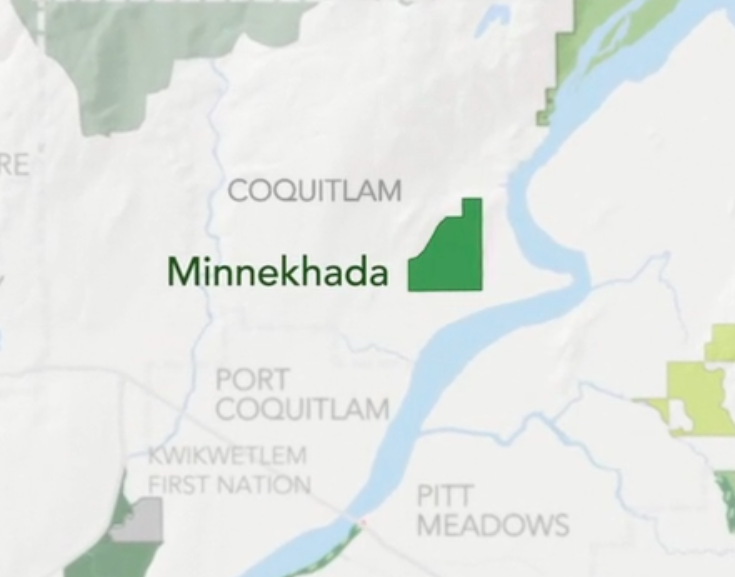
Metro Vancouver land acquisition adds to Minnekhada Regional Park
Top
Metro Vancouver land acquisition adds to Minnekhada Regional Park
 Top
Million-dollar contract awarded for Surrey Sport & Leisure Complex renos
Top
Million-dollar contract awarded for Surrey Sport & Leisure Complex renos
 Top
'A sacred place': Delta park to get dedicated ash-scattering site
Top
'A sacred place': Delta park to get dedicated ash-scattering site
 Top
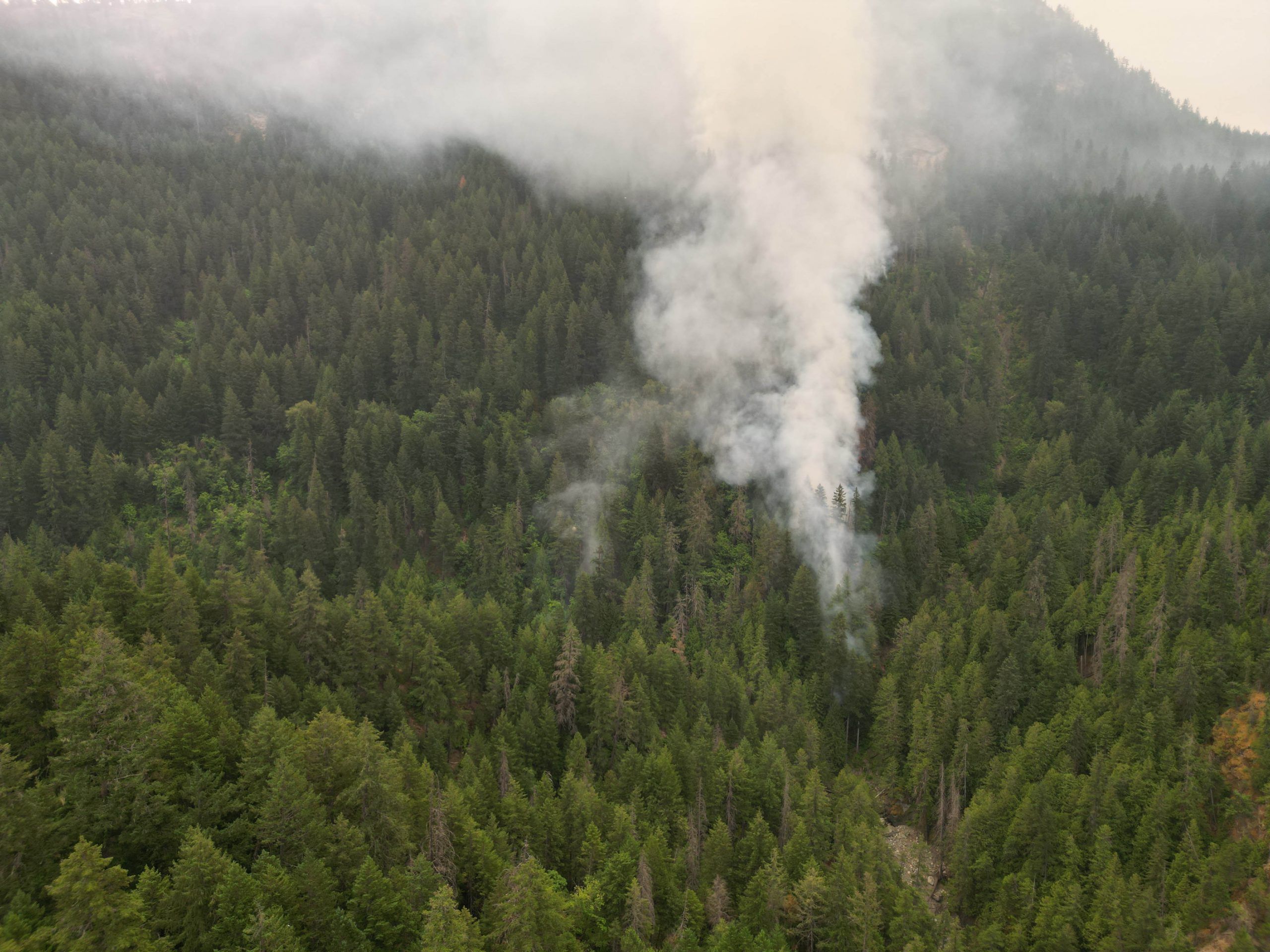
Brunswick Creek wildfire grows, leads to air quality warning in east Fraser Valley
Top
Brunswick Creek wildfire grows, leads to air quality warning in east Fraser Valley
More Local Coverage
Latest news Business
AI Market Trends: Q2 2026 Review and Forecast
Business
AI Market Trends: Q2 2026 Review and Forecast
 Politics
Powerful pro-life ad featuring boxing legend to air during final World Cup matches
Politics
Powerful pro-life ad featuring boxing legend to air during final World Cup matches
 Local News
Cowichan sports shorts: rugby, hockey, biking
Local News
Cowichan sports shorts: rugby, hockey, biking