

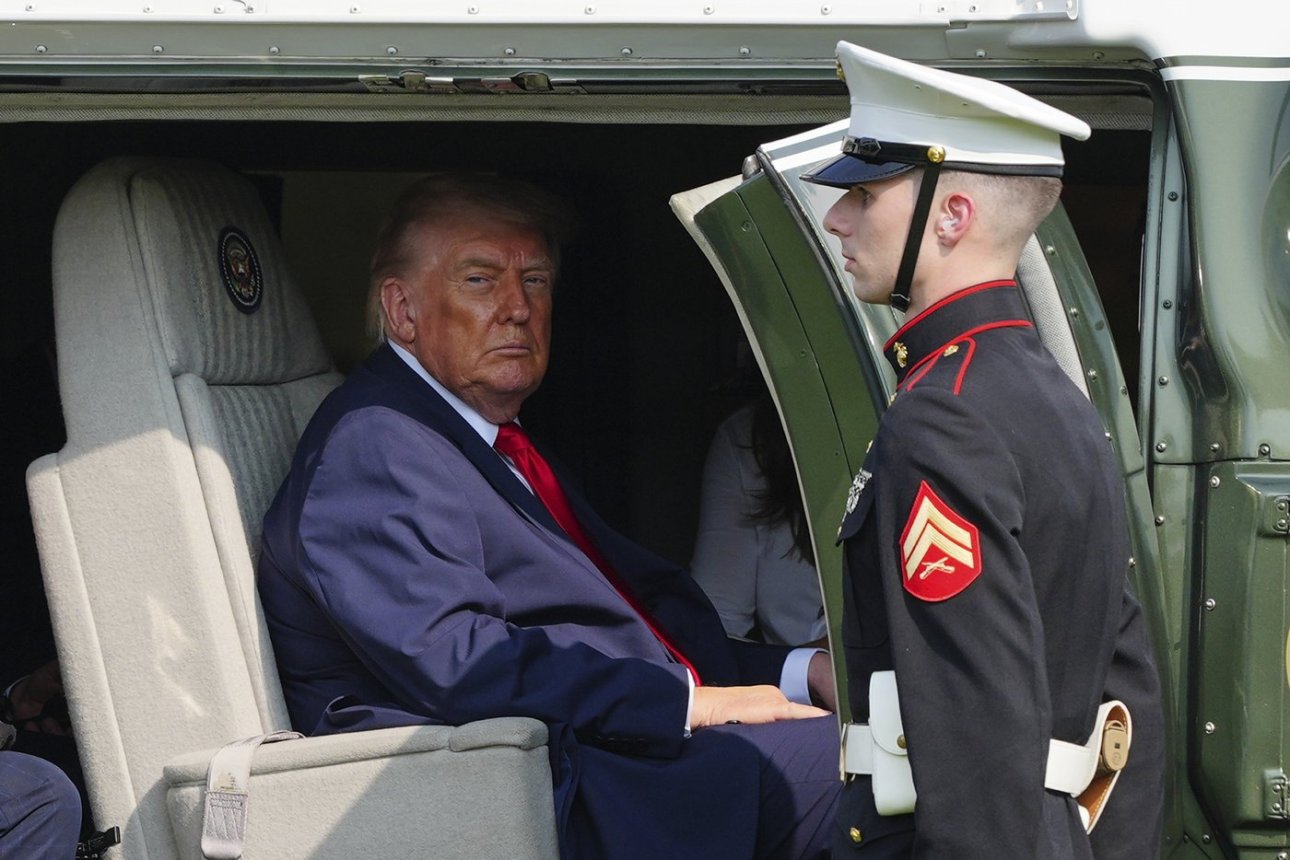
WASHINGTON (AP) — Fighting between the U.S. and Iran has intensified over control of the Strait of Hormuz, but hopes for a possible diplomatic solution have shown stubborn signs of life. Pakistan’s Foreign Ministry on Thursday rejected suggestions that Islamabad had abandoned efforts to bring Washington and Tehran back to the negotiating table after brokering [...]
Elevate your local knowledge Sign up for the iNFOnews newsletter today! Elevate your local knowledge Sign up for the iNFOnews newsletter today! Select Region Selecting your primary region ensures you get the stories that matter to you first.
WASHINGTON (AP) — Fighting between the U.S. and Iran has intensified over control of the Strait of Hormuz, but hopes for a possible diplomatic solution have shown stubborn signs of life. Pakistan’s Foreign Ministry on Thursday rejected suggestions that Islamabad had abandoned efforts to bring Washington and Tehran back to the negotiating table after brokering an initial ceasefire agreement last month that has now collapsed.
“Let me dispel the impression that Pakistan has done hands up, and this is not the case,” ministry spokesperson Tahir Andrabi said at a news conference, adding that the parties eventually “will have to come to the negotiating table to settle all outstanding issues.” Even the top negotiators for Iran and the U.S. signaled they have not walked away from talks. In a podcast interview with Joe Rogan that aired Wednesday, Vice President JD Vance said the Trump administration is “not going to bomb and bomb and bomb” and noted that “you’ve got to actually be willing to talk and to try to figure out the problem.”
“We’re going try to use our military force as one of the many tools that we have to solve the problem,” Vance said, adding that “diplomacy is another tool.” Mediators from countries that include Pakistan, Qatar and Egypt have been working to resume talks, according to regional officials who spoke on condition of anonymity to discuss the sensitive diplomacy. They noted that neither side has notified Pakistan that it was officially withdrawing or terminating the initial ceasefire agreement.
The backchannel efforts have been overshadowed by the escalating attacks, with the U.S. military on Thursday conducting strikes deeper into Iran and firing on a ship that the U.S. accused of trying to break its naval blockade of Iranian ports. Iran has retaliated by launching missiles and drones at U.S. allies in the region and warned that its attacks could grow to target “all the infrastructure in the region.” The U.S. and Iran are in a delicate and potentially pivotal moment that “leaves open the possibility of moving up the escalation ladder,” said Naysan Rafati, senior Iran analyst at the Washington-based International Crisis Group.
The push is on for renewing negotiations Andrabi, the spokesman for Pakistan’s foreign ministry, acknowledged that mediation between Iran and the U.S. had become increasingly difficult. But he said peace efforts remained alive. “It can be put on the backburner, but it stays,” Andrabi said, adding that “whenever the parties exhaust the logic of escalation, the formula for peace is there.”
The regional officials involved in mediation attempts said efforts to salvage the deal to end the war were continuing this week. They acknowledged that the 60-day negotiating process spelled out in the interim deal has halted. But they said mediators have been working to persuade both sides to return to the negotiating table.
Officials say the key point of dispute is management of the Strait of Hormuz, the crucial energy shipping route that is Tehran’s greatest
Source and reference
source of leverage. The language in the interim deal is vague. Iran claims it has the authority to arrange shipping transit through the strait, while the U.S. says the waterway is meant to be open to free passage and has tried to arrange an alternate shipping route along Oman’s coast. In his interview with Rogan, Vance acknowledged that diplomacy might ultimately be the only way forward. “I’m very frustrated by the Americans and frankly by people in other countries who are like, ‘You cannot negotiate with the Iranians,’” the vice president said. “Well, then what is your proposal to get people to stop shooting at ships in the Strait of Hormuz?” Trump increases the threats and says Iran ‘better behave’ The fighting resumed over Iran’s unwillingness to allow oil tankers and other commercial vessels to navigate freely through the Strait of Hormuz, a vital Persian Gulf shipping route...
Read original source- Published
- Jul 16, 2026
- Updated
- Jul 16, 2026
- Source
- Infonews.ca
- Category
- Politics
- Read time
- 5 min
Key facts
Why this matters locally
This politics story matters locally because it may affect readers, businesses, commuters, families, or public services in British Columbia.
Local impact
BC Post links this item to British Columbia coverage so readers can follow related city updates, weather, traffic, events, and category news in one place.
Timeline
Source and credit
BC Post may summarize, organize, and add local context for reader clarity. Original reporting remains with the listed publisher.
Related Articles
View all Politics
Powerful pro-life ad featuring boxing legend to air during final World Cup matches
Politics
Powerful pro-life ad featuring boxing legend to air during final World Cup matches
 Politics
Vaughn Palmer: David Eby's slow and expensive step toward involuntary care
Politics
Vaughn Palmer: David Eby's slow and expensive step toward involuntary care
 Politics
Pitt Meadows to host information session for city council candidates
Politics
Pitt Meadows to host information session for city council candidates
 Politics
Hundreds of enthusiatic supporters attend Surrey Mayor Brenda Locke’s fundarising dinner
Politics
Hundreds of enthusiatic supporters attend Surrey Mayor Brenda Locke’s fundarising dinner
 Politics
One hundred affordable housing units for seniors coming to Sherbrooke
Politics
One hundred affordable housing units for seniors coming to Sherbrooke
 Politics
‘No consequences’: East Van woman says she was targeted by hate-motivated assault
Politics
‘No consequences’: East Van woman says she was targeted by hate-motivated assault
More Local Coverage
Latest news Business
AI Market Trends: Q2 2026 Review and Forecast
Business
AI Market Trends: Q2 2026 Review and Forecast
 Local News
Cowichan sports shorts: rugby, hockey, biking
Local News
Cowichan sports shorts: rugby, hockey, biking