


People looking to enjoy Chatham-Kent's public beaches should ask some questions before wading in the water.
Article content People looking to enjoy Chatham-Kent’s public beaches should ask some questions before wading in the water. Dr. Shanker Nesathurai, the municipality’s medical officer of health, gave a presentation at Monday’s board of health meeting, where he said the monthly testing of beach water only provides a snapshot of the time when the water samples were collected. Recommended Videos The public health unit sends the samples in for testing for a bacteria called E. coli, but other bacteria and parasites can also cause health issues.
“These are organisms that can make people sick,” Nesathurai said. “They can give you nausea, vomiting (or) fever. In rare cases, people can be hospitalized and sometimes people do die.”
First look for advisory or closure signs at beaches before swimming, but there are other questions to consider if the beaches are open, Nesathurai said. “I think every person has to make an assessment of the weather now and the weather in the past day,” he said. “Was there a heavy rainstorm?
Were there high winds? Those all increase the risk of (the presence of) microorganisms.” Beachgoers should also consider the smell of the beach, how many birds are present, whether the birds are dead or alive, if there are lots of dead fish and if the water is murky or turbid, Nesathurai said.
“You can check the turbidity of the water by wading into the water about waist-high and looking down. If you can’t see your feet, probably the water is too turbid,” he said. Algae is another factor to consider.
Nesathurai said to check for water discolouration or what looks like soap scum. He said even with precautions, illnesses can still occur. Anyone who has a health concern should inform their doctor or nurse practitioner they visited a beach to “help them formulate their treatment plan,” he said.
The last beach water testing was conducted June 22. Of the seven public beaches assessed, only Getty’s Beach had high levels of bacteria. Future results will be available at www.ckphu.com/beaches.
“People sometimes assume a beach is safe because a recent test showed acceptable results,” Nesathurai said in a news release sent after the meeting. “The reality is that conditions can change rapidly. Beach water testing is helpful, but your own observations of current conditions are often the most important factor in deciding whether to swim.”
Joshua Standel, manager of environmental health, said inspectors take samples at each beach. At Erieau, samples were collected at eight points, he said. “The reason that we sample monthly and don’t do it more frequently is it takes us 48 hours just to get those results back,” he said.
“As much as we’d like to provide the community with a real-world, real-time snapshot, it’s not possible, unfortunately.” At the board of health meeting, Nesathurai said his message of making an “informed choice” when visiting the beach should apply to most human activities. “Hospitals, doctors, clinicians, nurse practitioners, they can all work toward advancing the health of an individual person or family,” he said.
“But ultimately, it’s through the community member to make the best decision about the risk of doing any activity for themselves and for their family.”
- Published
- Jul 14, 2026
- Updated
- Jul 14, 2026
- Source
- Wallaceburgcourierpress
- Category
- Top
- Read time
- 2 min
Key facts
Why this matters locally
This top story matters locally because it may affect readers, businesses, commuters, families, or public services in British Columbia.
Local impact
BC Post links this item to British Columbia coverage so readers can follow related city updates, weather, traffic, events, and category news in one place.
Timeline
Source and credit
BC Post may summarize, organize, and add local context for reader clarity. Original reporting remains with the listed publisher.
Related Articles
View all Top
Rock the Lake celebrated its ninth year at Prospera Place this past weekend
Top
Rock the Lake celebrated its ninth year at Prospera Place this past weekend
 Top
Million-dollar contract awarded for Surrey Sport & Leisure Complex renos
Top
Million-dollar contract awarded for Surrey Sport & Leisure Complex renos
 Top
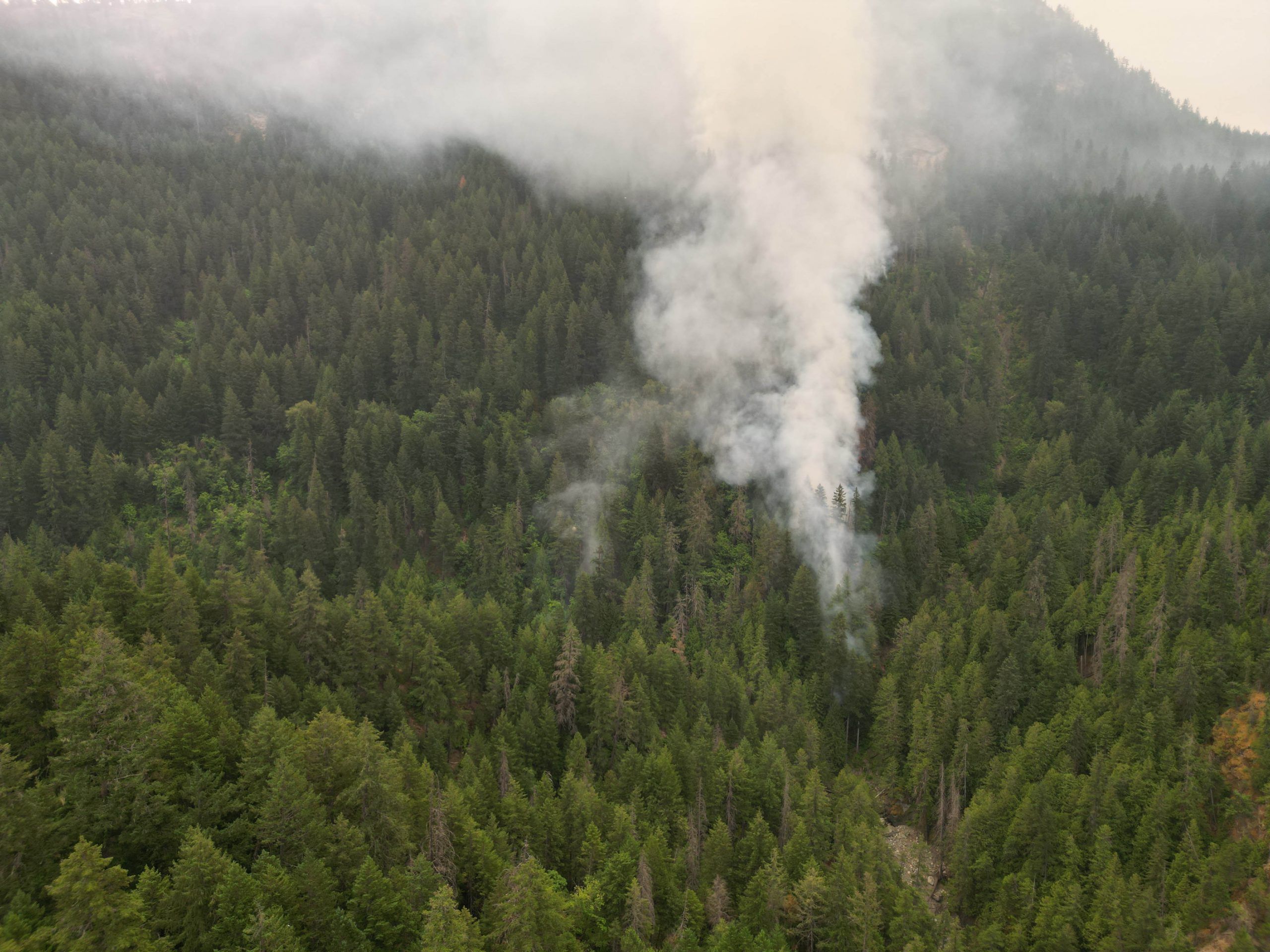
Brunswick Creek wildfire grows, leads to air quality warning in east Fraser Valley
Top
Brunswick Creek wildfire grows, leads to air quality warning in east Fraser Valley
 Top
'A sacred place': Delta park to get dedicated ash-scattering site
Top
'A sacred place': Delta park to get dedicated ash-scattering site
 Top
MLA Jordan Kealy to face jury in sexual assault case
Top
MLA Jordan Kealy to face jury in sexual assault case
 Top
BCWS aircraft helping Kamloops firefighters battle grass fire above Shuswap Road
Top
BCWS aircraft helping Kamloops firefighters battle grass fire above Shuswap Road
More Local Coverage
Latest news Business
AI Market Trends: Q2 2026 Review and Forecast
Business
AI Market Trends: Q2 2026 Review and Forecast
 Politics
Powerful pro-life ad featuring boxing legend to air during final World Cup matches
Politics
Powerful pro-life ad featuring boxing legend to air during final World Cup matches
 Local News
Cowichan sports shorts: rugby, hockey, biking
Local News
Cowichan sports shorts: rugby, hockey, biking