

Mitsubishi Electric Corp. seeks to reach a deal by September with rivals Toshiba Corp. and Rohm Co. to combine their power semiconductor operations.
(Bloomberg) — Mitsubishi Electric Corp. seeks to reach a deal by September with rivals Toshiba Corp. and Rohm Co. to combine their power semiconductor operations. The move would consolidate three of the world’s top suppliers of a growing segment of the electronics supply chain, which has been supercharged by the rush to build infrastructure for artificial intelligence work. Power-regulation chips are growing in importance as systems like Nvidia Corp.’s next-generation Vera Rubin platform increase in complexity and power consumption.
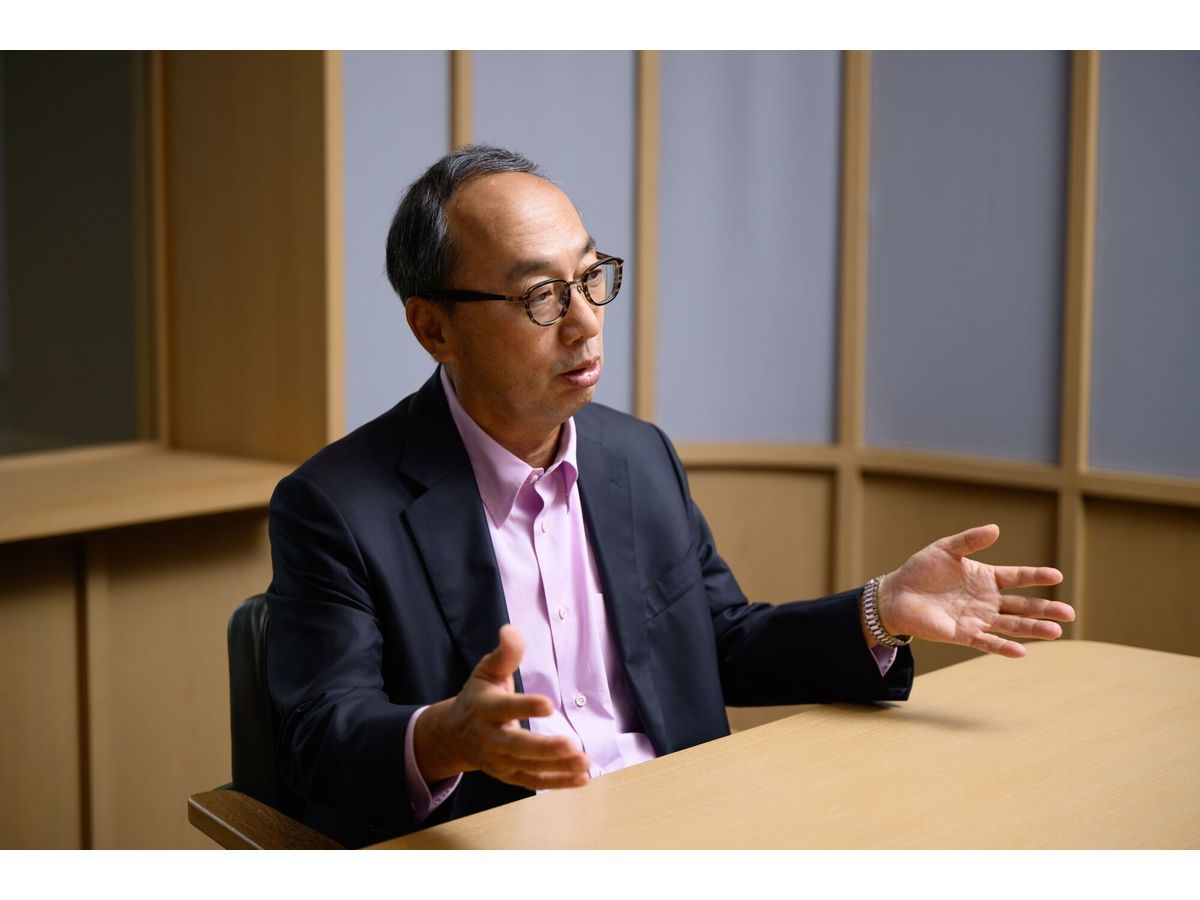
“Our goal is to integrate sales, manufacturing and development to build one single, robust company,” Mitsubishi Electric Chief Executive Officer Kei Uruma said in an interview. The companies are working out the detailed terms of the agreement and making adjustments, he said. “We hope that by September we’ll be able to announce our plan to establish the joint venture.”
For years, Japan’s Ministry of Economy, Trade and Industry has pushed the country’s chipmakers to consolidate to better compete against the likes of Germany’s Infineon Technologies AG, which controls nearly a fifth of the global power semiconductor market, according to Omdia. Mitsubishi, Toshiba and Rohm — which all have many other product offerings — each hold less than 5%. Power chips are used to control and convert electricity in cars, data centers, industrial robots, home appliances and gadgets.
While unglamorous, they are strategically important and a shortage can undermine Japan’s attempts to raise energy efficiency or hamper expansion plans for its industrial players. In March, Mitsubishi Electric, Toshiba and Rohm said they’d begun talks to combine their chip operations. Rohm was also fielding a takeover proposal from auto-parts supplier Denso Corp., which later withdrew its bid.
Combining the three companies’ power-chip operations gives them a shot at becoming No. 1 in market share, Uruma said. Having so many domestic players leads to wasted resources, while teaming up with Rohm and Toshiba will lead to streamlined development and boost value added to chips, he said. “Combining our forces will allow us to go head to head with our global rivals,” he said, adding that there is a tentative consensus for Mitsubishi Electric to take the lead in the merged entity.
What Bloomberg Intelligence Says A possible merger of the power conductor businesses of Rohm, Toshiba and Mitsubishi Electric makes strategic sense.. With Rohm and Toshiba each having a 2-3% share of the discrete semiconductor market, it’s hard for them to effectively compete against giants like Infineon and Texas Instruments. If the goal is to expand sales to automakers, auto parts suppliers and industrial equipment customers, Mitsubishi Electric seems like the stronger partner.
Click here for the research. Masahiro Wakasugi and Tatsuo Yoshida, senior industry analysts One major hurdle is deciding what products the new entity would supply, Uruma said. Toshiba and Rohm both demand that any new venture include a wide array of analog chips such as converters and drivers to continue serving existing customers, while Mitsubishi Electric wants the combined unit to focus on power chips, he said.
The heads of the three Japanese companies have met in person to find common ground, as working-level discussions were going nowhere. “There’s only so much you can achieve through endless discussions,” Uruma said. “At some point, you have to make a proper decision and act on it.”
Japan’s government incentivizes mergers by requiring power-chip companies to make investments of at least ¥200 billion ($1.2 billion) involving other companies to qualify for subsidies. That compares with the ¥30 billion threshold for other semiconductor projects under Prime Minister Sanae Takaichi’s push to bolster domestic chipmaking. That hurdle is too high, according to Uruma.
Mitsubishi Electric is not currently receiving any support for its chip business despite a global race to ramp up production, Uruma said. That’s while the government allocates billions of dollars’ worth of support to chip startup Rapidus Corp., which aims to fabricate leading-edge chips. Government subsidies are essential to compete against overseas rivals that receive such aid, he said.
“Without that support, our costs will remain higher than our rivals, even with the joint venture,” he said. “We just want a level playing field.” —With assistance from Rika Yoshida and Arielle Busetto.
- Published
- Jul 16, 2026
- Updated
- Jul 17, 2026
- Source
- Financial Post
- Category
- Technology
- Read time
- 3 min
Key facts
Why this matters locally
This technology story matters locally because it may affect readers, businesses, commuters, families, or public services in British Columbia.
Local impact
BC Post links this item to British Columbia coverage so readers can follow related city updates, weather, traffic, events, and category news in one place.
Timeline
Source and credit
BC Post may summarize, organize, and add local context for reader clarity. Original reporting remains with the listed publisher.
Related Articles
View all Technology
Transformer-manufacturing company to shut down its Chilliwack facility
Technology
Transformer-manufacturing company to shut down its Chilliwack facility
 Technology
Spectro Cloud Raises $100 Million Series D to Help Customers Move AI Infrastructure Into Production Across Enterprise, Public Sector, Neocloud and Sovereign Cloud Environments
Technology
Spectro Cloud Raises $100 Million Series D to Help Customers Move AI Infrastructure Into Production Across Enterprise, Public Sector, Neocloud and Sovereign Cloud Environments
 Technology
Quebec announces plan to train more aerospace workers as demand surges
Technology
Quebec announces plan to train more aerospace workers as demand surges
 Technology
Apple’s Lawsuit Could Choke OpenAI’s iPhone Rival Before It Even Ships
Technology
Apple’s Lawsuit Could Choke OpenAI’s iPhone Rival Before It Even Ships
 Technology
ECT Reprograms Adult Neurons into a Youthful State
Technology
ECT Reprograms Adult Neurons into a Youthful State
 Technology
GO train users could face delays, cancellations due to ‘crew constraints’: Metrolinx
Technology
GO train users could face delays, cancellations due to ‘crew constraints’: Metrolinx
More Local Coverage
Latest news Business
AI Market Trends: Q2 2026 Review and Forecast
Business
AI Market Trends: Q2 2026 Review and Forecast
 Politics
Powerful pro-life ad featuring boxing legend to air during final World Cup matches
Politics
Powerful pro-life ad featuring boxing legend to air during final World Cup matches