

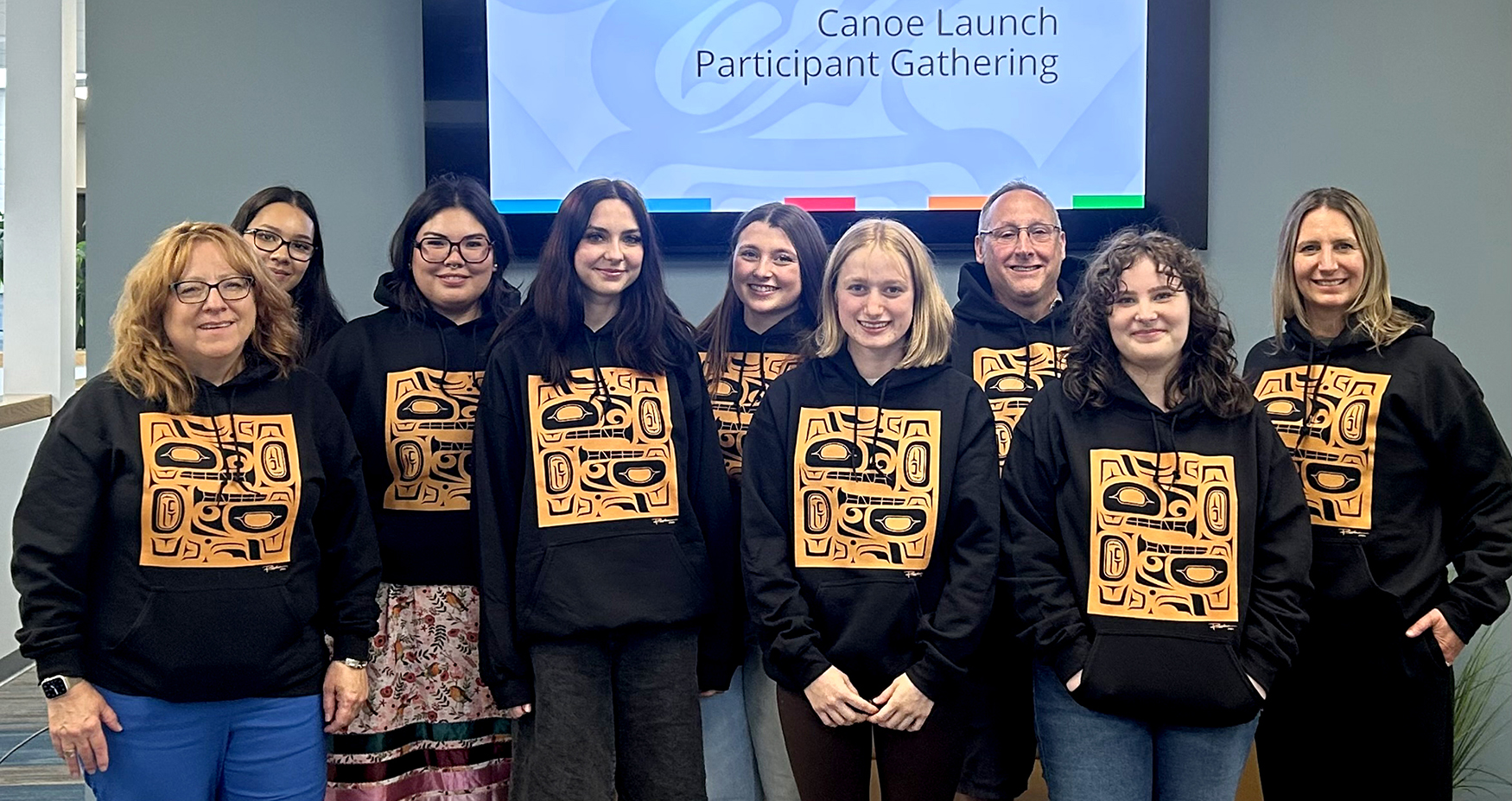
A new initiative of the First Nations Health Authority and TRU gives students opportunities to learn alongside First Nations communities.
Thompson Rivers University (TRU) and the First Nations Health Authority (FNHA) have launched Canoe Journey, a pilot learning initiative that offers Bachelor of Science in Nursing students a new opportunity to learn through First Nations perspectives while preparing for practice in rural and remote communities, primary care and public health settings. Canoe Journey is an optional learning opportunity for upper-year nursing students. Through the program, students learn about cultural humility, cultural safety and relationship-based practice directly from First Nations nurses, Knowledge Holders, Elders, community members and health professionals across British Columbia.
Named Canoe Journey to reflect learning as a shared journey, the initiative guides students through academic learning, community experiences, reflective milestones and a capstone project documenting their growth. “Canoe Journey reflects what is possible when First Nations communities and post-secondary partners design learning together,” said Darin Abbey, clinical education lead at FNHA. “By connecting students with First Nations Knowledge Holders, communities and health and wellness teams throughout their education, we are helping prepare a future nursing workforce that is better equipped to provide culturally safe, trauma informed care and to improve health and wellness outcomes across British Columbia.”
From classroom to community Students in Canoe Journey will move beyond theory to deepen their understanding through meaningful relationships and real-world experiences, and graduate better prepared to provide culturally responsive care in partnership with First Nations communities. TRU and FNHA welcomed the inaugural cohort of six upper-year students in June during a gathering at the All My Relations Talking Circle on campus. Alexis Gottfriedson of Tk̓emlúps te Secwépemc, Knowledge Holder and S7extekékstmen in TRU’s Research Office, opened and closed the gathering with prayer, teachings and a sharing circle.
Representing TRU were Dr. Greg Anderson, interim dean of TRU’s School of Nursing, Dr. Sheila Blackstock, associate professor and Indigenous lead, and Julie Cinel, associate teaching professor and BSN Learning Pathways lead, alongside FNHA project lead Abbey. “A canoe journey is relational, experiential and grounded in connection — to community, culture and one another,” said Blackstock. “It reflects a shared journey of learning and growth, preparing students to work in partnership with First Nations communities across British Columbia and to provide culturally safe care wherever they practise.”
Students participate in community-based learning experiences are grounded in cultural humility, relational practice and anti-racist approaches to health care. Along the way, they complete academic learning, reflective milestones and potential Employed Student Nurse opportunities that support their growth as practitioners. “TRU’s Bachelor of Science in Nursing program already provides students with a strong foundation in culturally safe practice and Indigenous ways of knowing,” said Cinel.
“Canoe Journey gives students the opportunity to learn directly with and alongside First Nations communities, taking that learning to another level.” Alongside the agreement signed this spring between TRU and the FNHA to advance First Nations health and wellness, Canoe Journey reflects a shared commitment to addressing First Nations-specific racism and improving health equity across the province. By centering the voices and strengths of First Nations communities, Canoe Journey supports learners in fostering trust, ensuring cultural safety, upholding self-determination and engaging in reflective, accountable practice.
Thompson Rivers University is leading in sustainability. Learn more about TRU’s contributions to the UN Sustainable Development Goals.
- Published
- Jul 15, 2026
- Updated
- Jul 15, 2026
- Source
- Tru
- Category
- Top
- Read time
- 2 min
Key facts
Why this matters locally
This top story matters locally because it may affect readers, businesses, commuters, families, or public services in British Columbia.
Local impact
BC Post links this item to British Columbia coverage so readers can follow related city updates, weather, traffic, events, and category news in one place.
Timeline
Source and credit
BC Post may summarize, organize, and add local context for reader clarity. Original reporting remains with the listed publisher.
Related Articles
View all Top
Rock the Lake celebrated its ninth year at Prospera Place this past weekend
Top
Rock the Lake celebrated its ninth year at Prospera Place this past weekend
 Top
Million-dollar contract awarded for Surrey Sport & Leisure Complex renos
Top
Million-dollar contract awarded for Surrey Sport & Leisure Complex renos
 Top
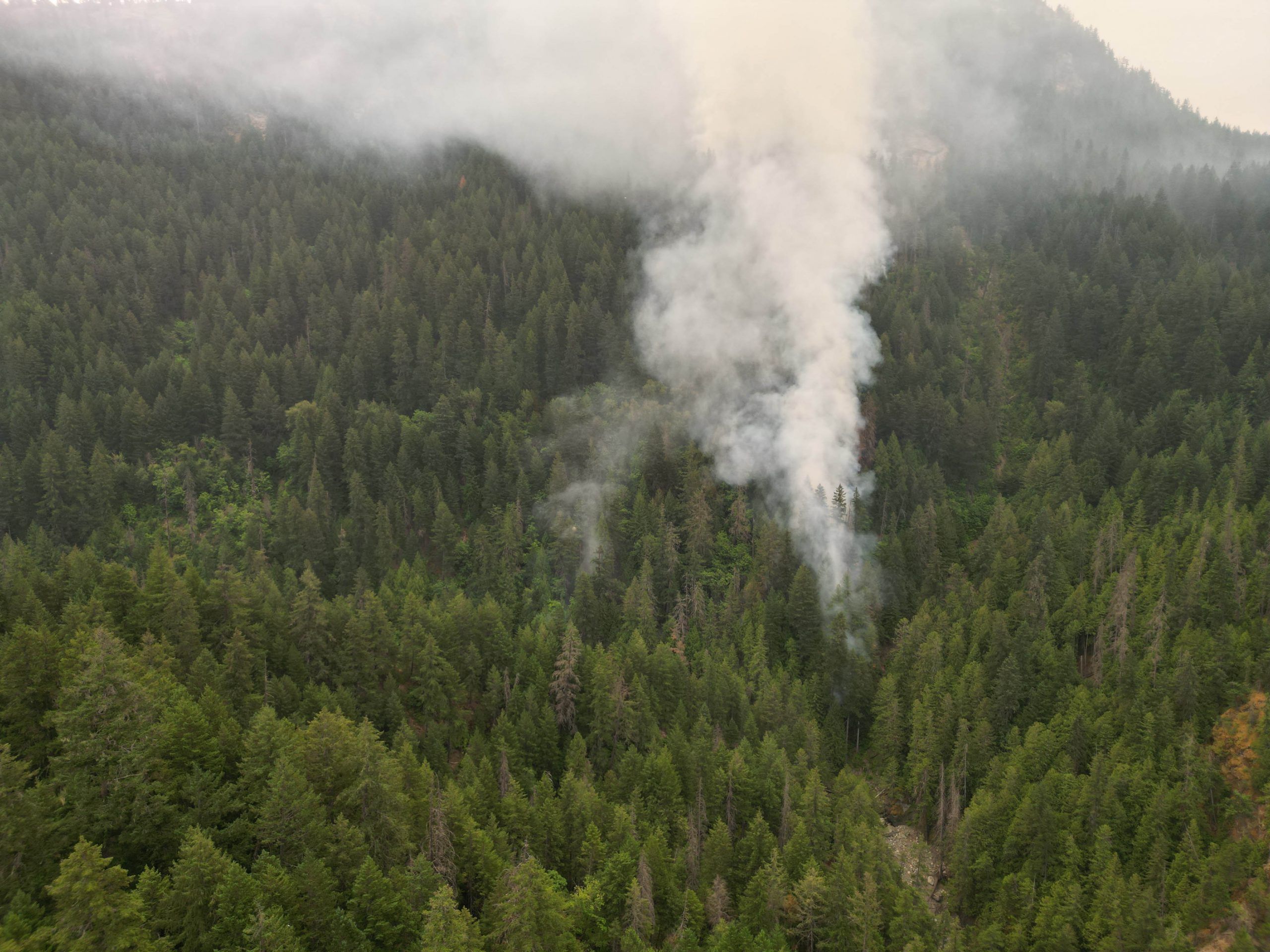
Brunswick Creek wildfire grows, leads to air quality warning in east Fraser Valley
Top
Brunswick Creek wildfire grows, leads to air quality warning in east Fraser Valley
 Top
MLA Jordan Kealy to face jury in sexual assault case
Top
MLA Jordan Kealy to face jury in sexual assault case
 Top
BCWS aircraft helping Kamloops firefighters battle grass fire above Shuswap Road
Top
BCWS aircraft helping Kamloops firefighters battle grass fire above Shuswap Road
 Top
'A sacred place': Delta park to get dedicated ash-scattering site
Top
'A sacred place': Delta park to get dedicated ash-scattering site
More Local Coverage
Latest news Business
AI Market Trends: Q2 2026 Review and Forecast
Business
AI Market Trends: Q2 2026 Review and Forecast
 Politics
Powerful pro-life ad featuring boxing legend to air during final World Cup matches
Politics
Powerful pro-life ad featuring boxing legend to air during final World Cup matches