

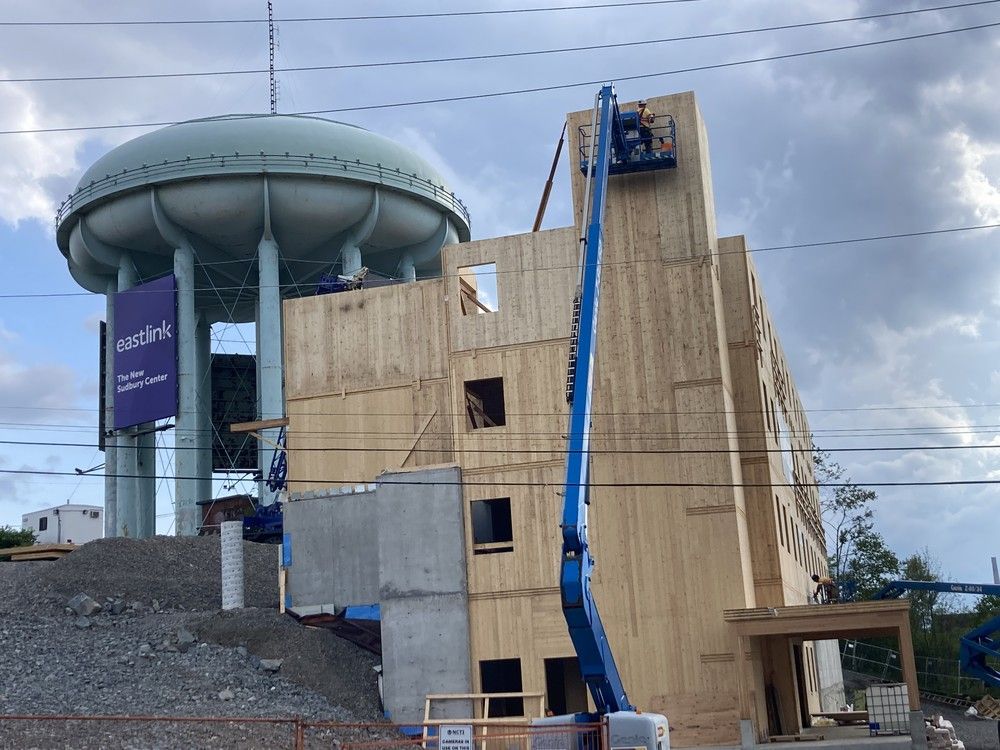
He is concerned there isn’t enough housing in Greater Sudbury that the city’s poorest can afford
Article content While the city continues to build and support affordable housing projects, Ward 5 Coun. Mike Parent is still worried about gaps in service. At Tuesday’s city council meeting, Parent will bring forward a motion that aims to update council and staff on the current inventory of deep core affordable housing, as well as the city’s current and projected needs.
Recommended Videos Deep core affordable housing describes housing that is heavily subsidized so that extremely low-income households, particularly those experiencing homelessness, do not pay more than 30 per cent of their income toward rent. Parent said he is concerned the city’s inventory will fall short of that need. “We’re concerned about this because as we see growth in the city, it means more spaces for people to live.
And we’re already struggling,” he commented. “And I guess my fear — and this is personal to me — is that those who have the least are going to be the ones who face the consequences if their landlord gets out of doing geared-to-income or deep core affordable rental units.” If the demand for housing grows, Parent is concerned landlords will no longer consider offering lower-income housing, since they can make more money with market rents.
“And with that demand, those who have the least are the ones who are likeliest to have a consequence,” he reiterated. The city continues to collaborate with the provincial and federal governments, and “continues to make incremental progress in implementing its housing supply strategy,” Parent noted in the motion; however, he argued there is still not enough deeply affordable housing to meet local needs. The Roadmap to End Homelessness identified “a target of 800 deep core affordable housing units,” but Parent said an update is warranted, since Greater Sudbury’s homeless population has grown since the report was finalized.
The motion directs staff to report back to council early next year “with an update on progress to date, which includes an analysis of current gaps in achieving deep core affordability targets and an overview of high-level financing options to support an increase in deep core affordable housing.” There are supportive housing options available and options for those at the lower end of the income spectrum, but there is not enough housing to meet the local need, and most projects that are underway are not considered deep core affordable. The Lorraine Street transitional housing project includes 40 units for people overcoming addiction and mental crisis, and the city has applied for an additional 40-unit transitional housing project on Bruce Avenue.
A 135-unit supportive housing project is underway on Ste. Anne Road, and there is a 14-unit complex on Sparks Street tailored to seniors. The 38-unit Peace Tower project should be ready for occupancy by the end of this year, Parent said.
He also noted the Manitou project, which is under construction, will include affordable housing units, but as Parent pointed out, that will not help the most vulnerable or those “who are struggling to find a place to live.” There are also 89 emergency shelter beds in Greater Sudbury, divided amongst three service agencies. There are 35 cots open to anyone 18 or older at Off the Street shelter at 200 Larch St., which is operated by the Canadian Mental Health Association; there are 26 beds for women and gender-diverse individuals aged 19 and up at Safe Harbour House, operated by the Elizabeth Fry Society; and there are an 28 beds for women (aged 20 and up) and families at Cedar Place, operated by the Salvation Army.
There is no longer a men’s shelter in Sudbury, however. Parent said there are between 400 and 500 people in Greater Sudbury who are considered homeless — the number can fluctuate with the seasons. During the most recent point-in-time count, which took place in October 2025, 411 individuals were identified “as experiencing homelessness across shelters, transitional housing and unsheltered locations,” city staff said earlier this year.
Staff determined that in 2025, there were 1,084 people in Greater Sudbury who experienced some kind of homelessness. “This included 595 individuals who experienced chronic homelessness (55 per cent); 472 individuals who were newly experiencing homelessness; 163 individuals who experienced homelessness in the year and were housed; and 86 individuals who returned to homelessness after being housed,” noted a report presented to councillors in March. The city’s homeless population increased by about 9.5 per cent over 2024, when 986 individuals identified as homeless.
Parent said despite the progress the city has made, “we’re still seeing a need for those deep core affordable housing units. With the amount of growth we’ve had and as the number of persons waiting to get into housing grows, my concern is that even though we’ve created a lot of spaces, a lot more are needed. ...
I really believe the information will come back saying, we may have made some progress, but more units are needed.” Parent said he believes the municipality will have to create those additional spaces, since there has been little appetite from the private sector, as it is difficult to recoup costs with affordable housing. “There’s not a choice here.
I don’t see any way out — the city’s going to have to get in to do more of this,” he said. “This report is the first step for us to understand the needs and some of the options. By then it’ll be the new term of council, and I want to have this information available to them.”
Parent wants to know, “where are we at? It’s a rapidly changing landscape around us, and so are we still at 800, or are we less or more?” Parent said intervention before crisis is the best — and most affordable way — to address homelessness.
The goal is to prevent people from living rough in the first place. “Once they end up on the street, the cost is much higher in all manners — the cost to individuals who end up on the street is significant, and the cost for us to manage individuals who become homeless is also significant,” Parent said. “We’d rather avoid that and put some money where needed — with data to support it — into deeply affordable housing.”
Parent said this motion is intended to set up the next council to continue addressing homelessness in ways that serve the entire community. “Greater Sudbury is growing and that’s something we all should celebrate, but growth must be inclusive,” he said. “The motion I’m presenting is about making sure we have a clear understanding of whether we’re delivering the deeply affordable housing our residents need, and what additional steps may be required to meet that challenge.”
BlueSky: @mkkeown.bsky.social Facebook: @mkkeown
- Published
- Jul 13, 2026
- Updated
- Jul 13, 2026
- Source
- Thesudburystar
- Category
- Politics
- Read time
- 5 min
Key facts
Why this matters locally
This politics story matters locally because it may affect readers, businesses, commuters, families, or public services in British Columbia.
Local impact
BC Post links this item to British Columbia coverage so readers can follow related city updates, weather, traffic, events, and category news in one place.
Timeline
Source and credit
BC Post may summarize, organize, and add local context for reader clarity. Original reporting remains with the listed publisher.
Related Articles
View all Politics
Powerful pro-life ad featuring boxing legend to air during final World Cup matches
Politics
Powerful pro-life ad featuring boxing legend to air during final World Cup matches
 Politics
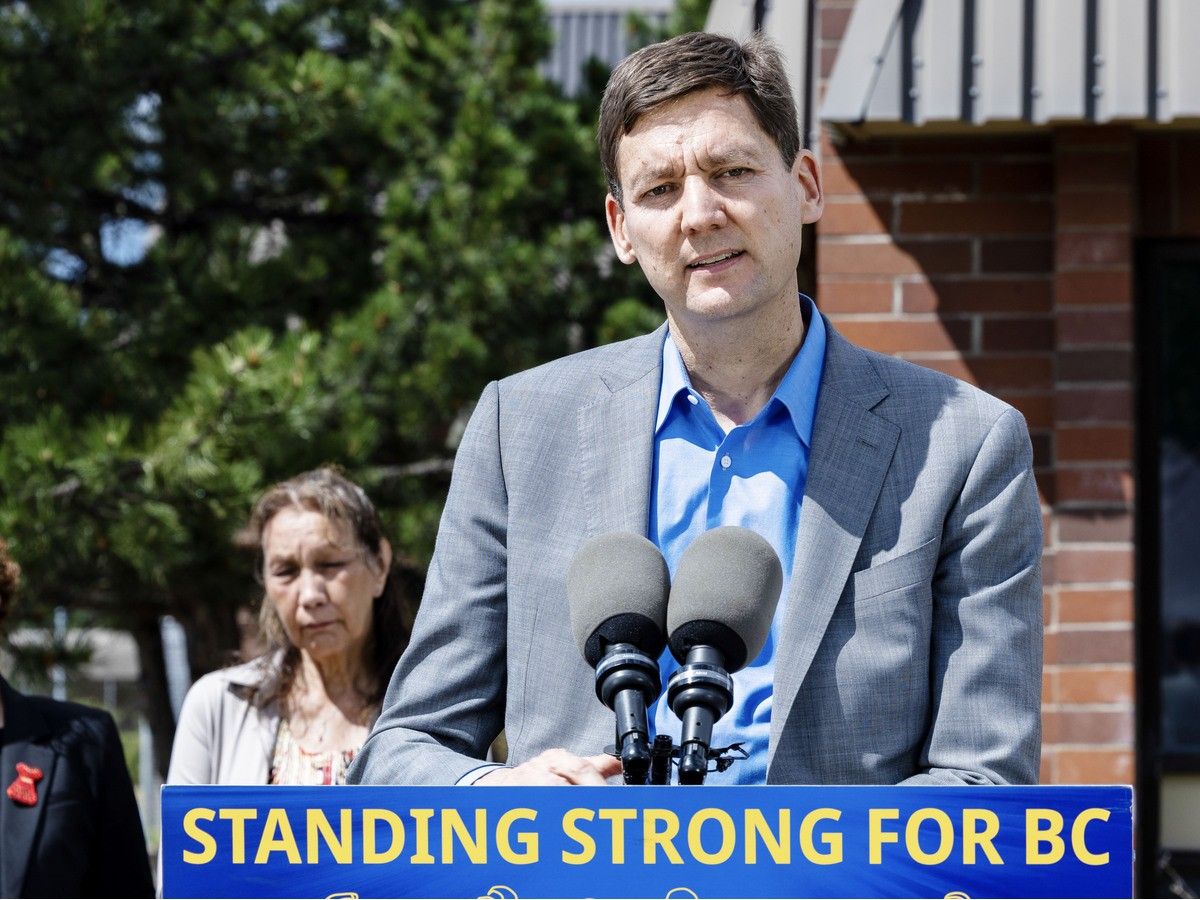
Vaughn Palmer: David Eby's slow and expensive step toward involuntary care
Politics
Vaughn Palmer: David Eby's slow and expensive step toward involuntary care
 Politics
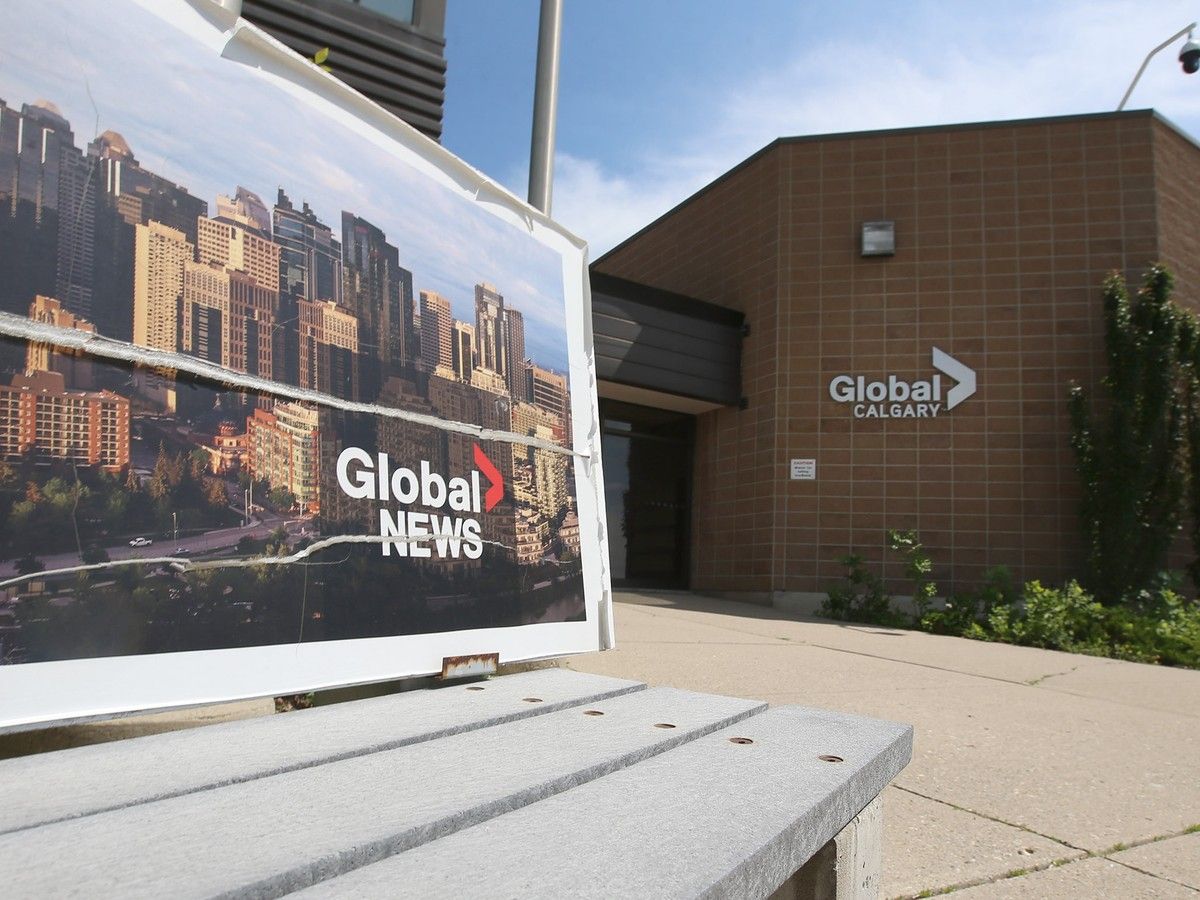
Corus rebuts misinformation about future of Global News in Alberta after layoffs
Politics
Corus rebuts misinformation about future of Global News in Alberta after layoffs
 Politics
Pitt Meadows to host information session for city council candidates
Politics
Pitt Meadows to host information session for city council candidates
 Politics
Traditional Catholic response to Cupich’s suicide distortion
Politics
Traditional Catholic response to Cupich’s suicide distortion
 Politics
‘No consequences’: East Van woman says she was targeted by hate-motivated assault
Politics
‘No consequences’: East Van woman says she was targeted by hate-motivated assault
More Local Coverage
Latest news Business
AI Market Trends: Q2 2026 Review and Forecast
Business
AI Market Trends: Q2 2026 Review and Forecast
 Local News
Cowichan sports shorts: rugby, hockey, biking
Local News
Cowichan sports shorts: rugby, hockey, biking