

There are traditions that defy time: Christmas, New Year’s Eve, and the legendary summer family barbecue. Scheduled for 1:00 p.m., of course. But everyone knows the truth: before 3:30 p.m. ...
Cartoon by Stella Jurgen There are traditions that defy time: Christmas, New Year’s Eve, and the legendary summer family barbecue. Scheduled for 1:00 p.m., of course. But everyone knows the truth: before 3:30 p.m. there is no meat on the grill.
There may be charcoal, prepared tables, cold drinks, but meat... that comes later! The first one to arrive is always the punctual uncle. He is a rare species within the family.
He shows up at 12:15 p.m. with a bag of charcoal in one hand, a lighter in the other, and the expression of someone who has already realised he is going to end up taking care of everything. He helps assemble the grill, organises the table, arranges the chairs and, when the clock strikes exactly 1:00 p.m., he gives that hopeful look towards the gate, as if waiting for an important delivery. Twenty minutes pass and the gate remains empty.
He sighs but keeps the faith. That faith lasts until 1:45 p.m., when the late cousin finally appears. He arrives calmly, wearing sunglasses and with the relaxed air of someone who says: “Sorry I’m late, the traffic was impossible.”
Nobody answers. Nobody has the courage to tell him that he lives three streets away and that, even walking, he would have arrived sooner. The family simply nods and hands him a drink.
After all, a barbecue or a family gathering is an advanced school of diplomacy. Then comes the uncle responsible for the bread. The mission was simple: stop by the bakery.
A quick task, almost impossible to fail. He leaves early, disappears for an hour and returns at 2:20 p.m. without bread, but with a carefully prepared explanation: “I went to the bakery, but there was no bread left. How is that possible on a summer Saturday?”
The question hangs in the air, because everyone knows that bread only entered his memory when he was already arriving at his sister’s house. Since nobody wants to turn a barbecue into a criminal investigation, the problem is solved with some toast, crackers and that bag of sliced bread found in the freezer. Meanwhile, the cousin with the pudding arrives.
He walks in holding the dessert as if presenting a rare museum piece. “My wife made this egg pudding. It turned out wonderful.
She has golden hands.” Everyone prepares to praise it, until the neighbour across the street, an expert in innocent comments with devastating consequences, looks at the dish and says: “How funny... it looks exactly like Dona Celeste’s puddings, the ones she makes to sell.”
Silence falls. The cousin slightly chokes. His wife looks at him.
He looks at the pudding. And without the need for further questions, the gastronomic mystery is solved. Later, two more arrive: the couple who argued before leaving home and spent the entire journey having that conversation nobody wants to hear, but everyone recognises.
They walk through the gate with smiles so fake they almost deserve applause. He carries the dish as if transporting a legal sentence. She adjusts her sunglasses as if they were an emotional shield.
“Good afternoon!” they say together, in an excessively cheerful tone. The family, experienced in these situations, pretends nothing happened.
“Everything alright?” someone asks, knowing perfectly well it is not. “Everything’s great,” she replies. “Everything’s normal,” he confirms.
And the word “normal” hangs in the air with the weight of a verdict. Fortunately, barbecues have therapeutic properties. When the food reaches the table, the culinary debate begins: there are those who prefer their meat well done, those who consider that a crime, and those who say they will only have a little taste before going back for seconds.
The children run around and the grandfather repeats the same story he has told for more than 20 years. But a family barbecue would not be complete without the beer critic. He arrives, opens the drinks cooler, analyses the options and immediately comments: “Is there only this brand?”
He drinks one, drinks two, and by the third he is already explaining to the younger ones how, in the old days, a proper draught beer was served. The sangria evaluator is also essential. He approaches the jug, takes a sip, makes a dramatic pause and declares: “The sangria this year isn’t very good.”
He says this while immediately pouring himself another glass. When someone asks if he wants more, he replies with a resigned expression: “Since I’m here, so it doesn’t go to waste.” It is a technique perfected over decades.
Next to the grill there is always the meat expert. He does not cook, does not touch anything, does not help. He simply watches.
Arms crossed, he follows every move like a VAR referee. “That pork steak probably needed a little more time.” Immediately, from the other side, comes the defender of juicy meat: “A little more time?
Then it gets dry. Nice and moist is better!” The barbecue cook, already sweating more from the pressure than the heat, simply turns the meat and hopes nobody asks for his opinion.
The salad aunt also makes her appearance. She always brings a huge bowl, prepared with dedication, and spends the afternoon repeating: “Have you tried the salad?” Even when the table looks like a national tribute to grilled pork, she insists that the salad is there “to balance things out.”
In the end, she takes half of it home and concludes that the family urgently needs to eat more vegetables. There is also the official photographer, the one who does not allow anyone to eat peacefully. “Wait!
Don’t touch anything yet. We need the photo.” He takes pictures of the table, the grill, the plates, and even people who were trying to escape the camera.
When he finally allows the meal to begin, half the family has already lost the desire to smile. When will they understand that the best moments do not need an audience or social media? And then there is the strategic disappearance expert.
He arrives early, greets everyone, helps open a bottle and seems available for everything. But when it is time to light the grill, set the table or wash the dishes, he mysteriously disappears. He reappears at the exact second the food is ready, with the usual phrase: “So, is everything already done?
I was over there taking care of a few things. Nobody called me to help.” Oh, I almost forgot the Benfica-supporting uncle and active member of the Socialist Party who has a golden rule: he does not comment on Sporting or the Social Democratic Party.
Not because he lacks opinions — he certainly has plenty — but because it is a matter of domestic survival. There are higher orders coming from his wife and, as every sensible man knows, some debates are not worth the risk of starting a diplomatic crisis at home. After all, the goal is that, in the end, everyone is still talking... and, preferably, still having dinner at the same table.
Any resemblance to reality is purely fictional. In the end, the promise remains: “Next year we’ll start earlier and everyone will bring something.” Everyone agrees.
Nobody follows through. Because a Portuguese barbecue without delays, arguments and confusion would not be a barbecue. Between pork steaks, laughter and debates about sangria, it is our most Portuguese way of saying: we are family.
Rómulo Ávila/MS
- Published
- Jul 15, 2026
- Updated
- Jul 15, 2026
- Source
- Milenio Stadium
- Category
- Tourism
- Read time
- 6 min
Key facts
Why this matters locally
This tourism story matters locally because it may affect readers, businesses, commuters, families, or public services in British Columbia.
Local impact
BC Post links this item to British Columbia coverage so readers can follow related city updates, weather, traffic, events, and category news in one place.
Timeline
Source and credit
BC Post may summarize, organize, and add local context for reader clarity. Original reporting remains with the listed publisher.
Related Articles
View all Tourism
The Art of Migration – A Touring Exhibit Makes a Stop at the Art Gallery of Golden
Tourism
The Art of Migration – A Touring Exhibit Makes a Stop at the Art Gallery of Golden
 Tourism
B.C.'s biggest free multicultural festival returns to Surrey this weekend
Tourism
B.C.'s biggest free multicultural festival returns to Surrey this weekend
 Tourism
Summer in central Alberta, the best celebration of the year
Tourism
Summer in central Alberta, the best celebration of the year
 Tourism
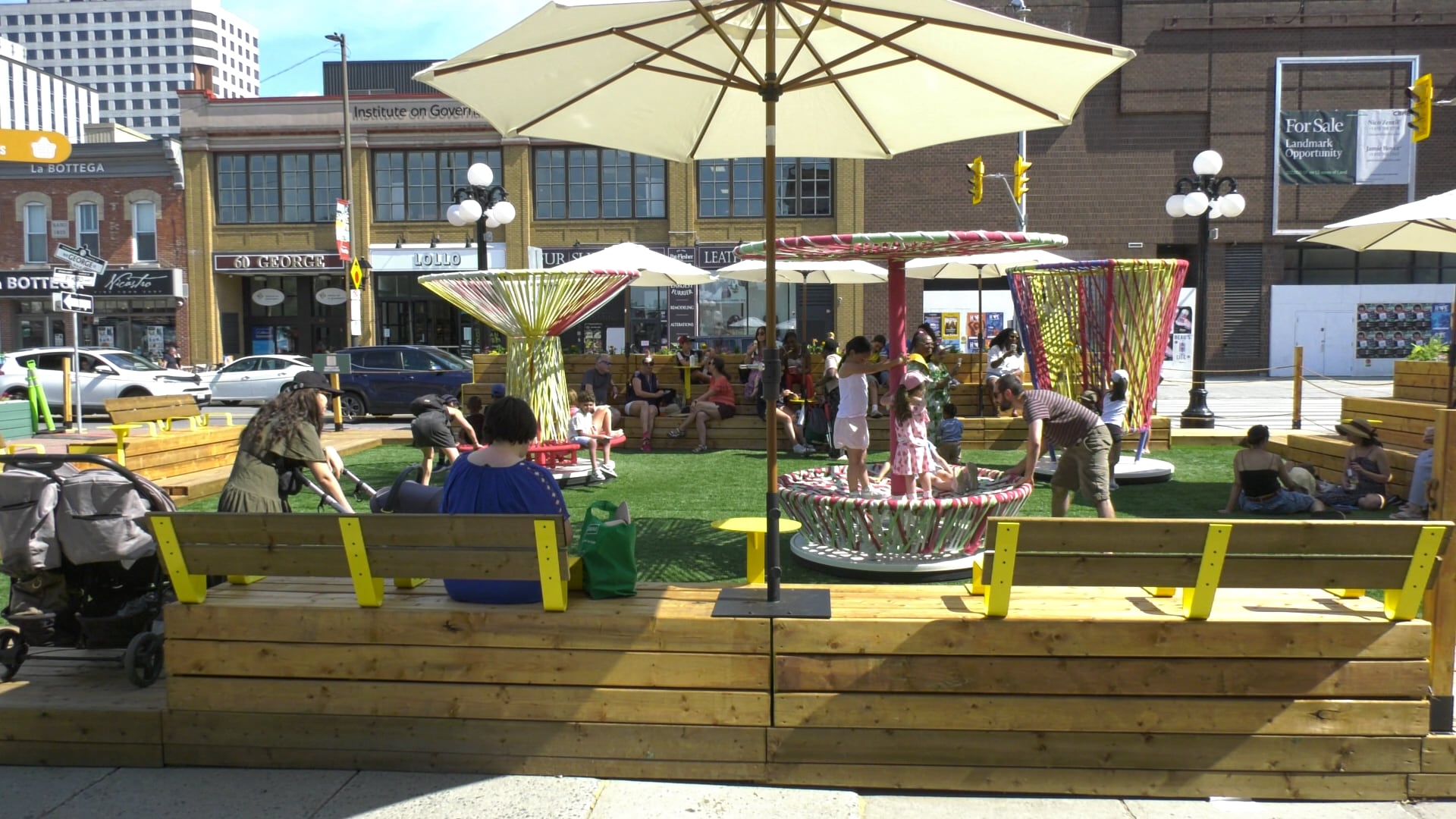
‘Beautiful, bright space:’ New public square looks to help revitalize the ByWard Market
Tourism
‘Beautiful, bright space:’ New public square looks to help revitalize the ByWard Market
 Tourism
GALLERY: Millarville Christ Church hosts Flower Festival
Tourism
GALLERY: Millarville Christ Church hosts Flower Festival
 Tourism
This downtown restaurant is the most fun you'll have eating ramen in Vancouver
Tourism
This downtown restaurant is the most fun you'll have eating ramen in Vancouver
More Local Coverage
Latest news Business
AI Market Trends: Q2 2026 Review and Forecast
Business
AI Market Trends: Q2 2026 Review and Forecast
 Politics
Powerful pro-life ad featuring boxing legend to air during final World Cup matches
Politics
Powerful pro-life ad featuring boxing legend to air during final World Cup matches