


‘To See Is To Remember’ exhibits until Aug. 2 at Colwood’s Goldfinch Arts Centre
Island artist stirs memories of Japanese Canadian life during B.C. exile Published 10:30 am Wednesday, July 15, 2026 Sitting in Colwood’s Goldfinch Arts Centre, Langford artist Marlene Howell can’t quite believe what she sees. “Pinch me,” she says. Hanging on the walls around her is a body of work two years in the making, made possible by a grant from the Japanese Canadian Legacies Society.
“Usually I can do two or three paintings a year, but I promised them 12 because I wanted this project so badly,” she says. “The president of the society at that time said to me, that’s rather ambitious, but I love a challenge.” The exhibition titled To See Is To Remember explores the lives, stories and personal memorabilia of Japanese Canadians during the 1940s and early 1950s.
In early 1942, following the attack on Pearl Harbour during the Second World War, around 21,000 Japanese Canadians living on the Pacific coast were forcibly relocated by the federal government, many sent to camps in B.C.’s interior. Howell’s grandparents – along with her mother, who was 17 at the time, and aunt – were among those affected. The family moved to Ontario, leaving behind the rooming house they owned on Powell Street in Vancouver.
Her great-grandparents, who owned a chicken farm on Mayne Island, were also uprooted. When Japanese Canadians were allowed to return to the Pacific coast in 1949, Howell’s family, like many other Japanese Canadians, chose not to return. Growing up in Ontario, Howell says her grandparents and parents never spoke of the experience.
“I think because they wanted us, my sister and myself, to have a happier life and not to worry,” she says. “That was my mother’s expression, ‘Not to worry, things will work out’ – that’s how I grew up.” Despite their silence, Howell remained curious about her family’s past, her interest piquing in 2019 because of her involvement in the Lost Fleet exhibition at Victoria’s Maritime Museum of B.C., which explored the seizure and sale of Japanese-Canadian property during the period of exile, including 1,137 fishing vessels.
Including a tribute to the seized vessels titled Mourning Sky, each of Howell’s paintings shares a different story from that era. One tells the story of Canada’s first Japanese teahouse and garden in Esquimalt’s Gorge Park, which was vandalized, looted and destroyed by locals after the Takata family were interned in interior B.C. Howell’s personal favourite, A Memory, was inspired by memories of watching her grandmother cook rice in a cast iron pot, serving their evening meals in Japanese bowls called ochawans. After dinner, her grandmother would soak the pot in cold water to loosen the remaining grains of rice stuck to the side before eating it.
A ritual that puzzled Howell at the time. “I would ask her why she did that as we have so much rice,” she recalls. “So in broken English, she would say, ‘No waste, no waste’.
“That showed me that she had a really tough life.” Both the cast iron pot and the ochawans, which are labelled as being made in occupied Japan, are still treasured by Howell; the pot now used as a planter. “Every time I walk through the living room and see that on the floor, it reminds me of her,” she says.
Howell hopes the exhibition will have the same effect on others. “I’m hoping that when the viewers look – especially the Japanese-Canadians who have ancestors who have been affected – this will bring back memories, stir questions and conversations between people,” she says. ‘To See Is To Remember’ exhibits at the Goldfinch Arts Centre until Aug. 2.
A portion of the sales from the collection will be donated to the Victoria Nikkei Cultural Society, which was founded in 1993 to establish a sense of community for those of Japanese heritage and those interested in Japanese culture. For more information, visit the Arts and Culture Colwood Society website: www.artsandculturecolwood.ca/current-events.
- Published
- Jul 15, 2026
- Updated
- Jul 15, 2026
- Source
- Nanaimo News Bulletin
- Category
- Tourism
- Read time
- 3 min
Key facts
Why this matters locally
This tourism story matters locally because it may affect readers, businesses, commuters, families, or public services in British Columbia.
Local impact
BC Post links this item to British Columbia coverage so readers can follow related city updates, weather, traffic, events, and category news in one place.
Timeline
Source and credit
BC Post may summarize, organize, and add local context for reader clarity. Original reporting remains with the listed publisher.
Related Articles
View all Tourism
The Art of Migration – A Touring Exhibit Makes a Stop at the Art Gallery of Golden
Tourism
The Art of Migration – A Touring Exhibit Makes a Stop at the Art Gallery of Golden
 Tourism
B.C.'s biggest free multicultural festival returns to Surrey this weekend
Tourism
B.C.'s biggest free multicultural festival returns to Surrey this weekend
 Tourism
Summer in central Alberta, the best celebration of the year
Tourism
Summer in central Alberta, the best celebration of the year
 Tourism
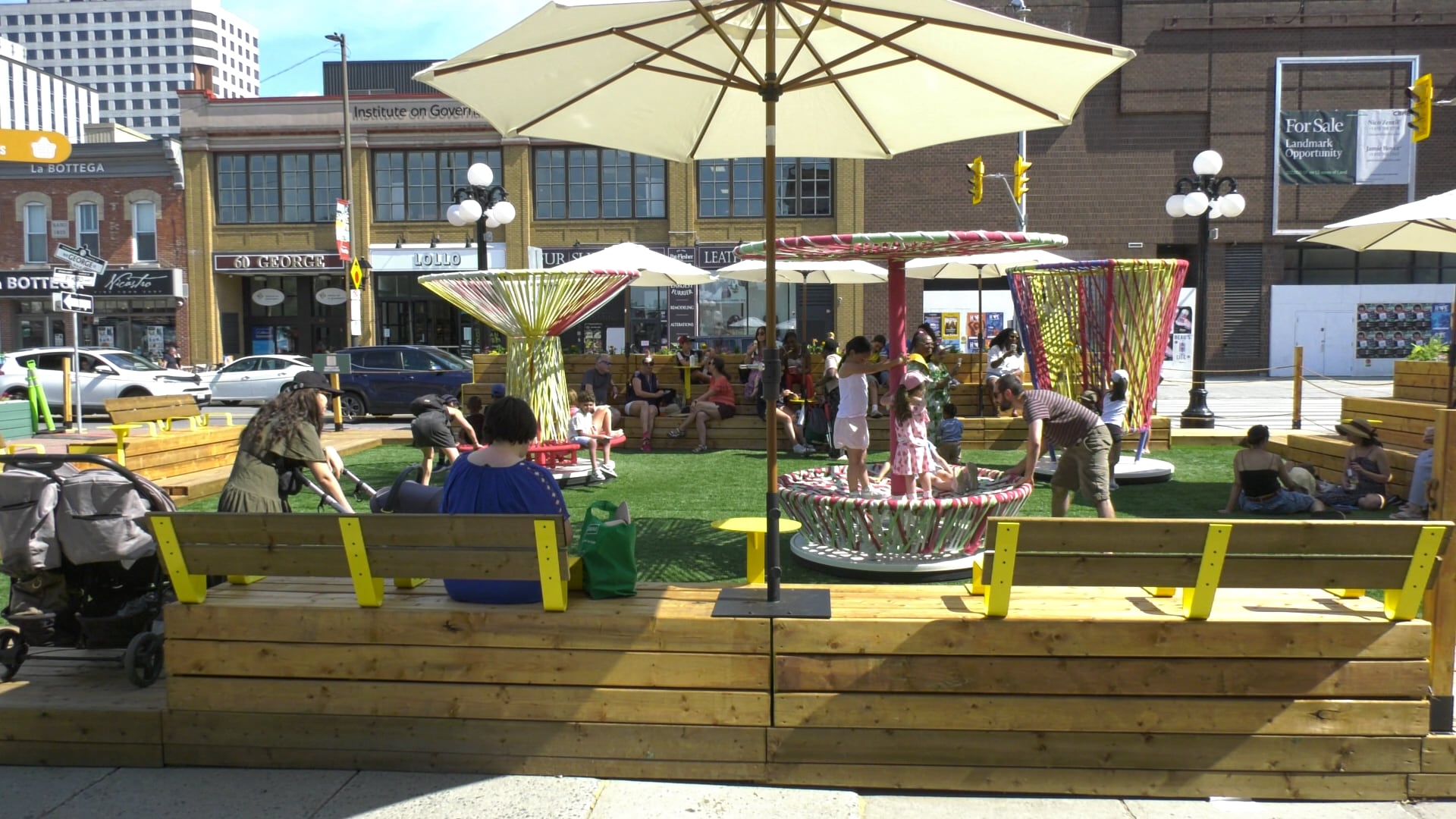
‘Beautiful, bright space:’ New public square looks to help revitalize the ByWard Market
Tourism
‘Beautiful, bright space:’ New public square looks to help revitalize the ByWard Market
 Tourism
GALLERY: Millarville Christ Church hosts Flower Festival
Tourism
GALLERY: Millarville Christ Church hosts Flower Festival
 Tourism
This downtown restaurant is the most fun you'll have eating ramen in Vancouver
Tourism
This downtown restaurant is the most fun you'll have eating ramen in Vancouver
More Local Coverage
Latest news Politics
Powerful pro-life ad featuring boxing legend to air during final World Cup matches
Politics
Powerful pro-life ad featuring boxing legend to air during final World Cup matches
 Business
AI Market Trends: Q2 2026 Review and Forecast
Business
AI Market Trends: Q2 2026 Review and Forecast