

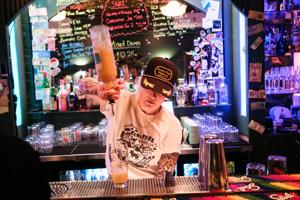
Coun. Paul Ainslie wants to explore whether Montreal's nightlife hubs could be replicated here, to strengthen the city's nighttime economy.
In some Toronto neighbourhoods, bars and clubs could stay open until sunrise, if a proposal from a city councillor gains traction. Paul Ainslie, Scarborough-Guildwood Coun. and deputy mayor of Toronto for Scarborough, is asking city staff to study whether Toronto should adopt a version of Montreal’s new “nightlife hub model,” which allows select venues to stay open until 6 a.m. during approved events, well beyond standard 2 a.m. last call. Strengthening Toronto’s nightlife economy Ainslie says the idea is about more than extending bar hours.
“It’s about making sure we have a viable economy from 6 p.m. to 6 a.m.,” he told the Star. Designated nightlife hubs could encourage arts, culture and tourism after dark, which is one of the key tenets of Ainslie’s role as the city’s designated night economy champion. Montreal introduced its hub model in March through “Nuits Montréal,” a program created to bolster the city’s $2.26 billion night economy, which has struggled in recent years as venues faced higher rent costs, rising expenses and changing social habits that see younger people drinking less alcohol.
The program granted 21 cultural and nightlife establishments special status to stay open late on approved nights. The venues are spread across three areas designated as major cultural destinations. To qualify, applicants had to demonstrate the venues could integrate into their neighbourhoods and commit to responsible nightlife practices.
Ainslie says those standards are where Toronto should begin. Not another Entertainment District Ainslie draws a distinction between his proposal and what used to be the city’s Entertainment District; a concern he expects he will need to head off when he makes his case to the city. “I’m not trying to create these hubs in the downtown core or recreate an Entertainment District,” he said, adding the hubs don’t need to be a “huge area” and could be “anywhere in the city.”
The proposal nevertheless evokes memories of Toronto’s former Entertainment District, where Richmond Street became known for its concentration of bars and rowdy weekend crowds in the 1990s and 2000s before redevelopment, gentrification and neighbourhood noise complaints reshaped the area and led to the death of clubland. Shaun Bowring, owner of the Garrison and the Baby G on Dundas Street West, said recreating that model elsewhere would be a mistake. “It turned out to be a disaster,” he said.
“Having those extended licenses dispersed through the city is a good idea ... Having hubs is a terrible idea.” Ingrid Buday, founder of advocacy group No More Noise Toronto, said Montreal’s emphasis on community compatibility would be critical if Toronto were to adopt a similar model.
She said hubs outside the downtown core, such as in Scarborough or North York, might be workable, but warned that all-night venues could still pose problems in those places with noise and crowds. “Now, all of those areas are concentrated by condos, and so there’s literally almost nowhere where somebody isn’t going to be impacted,” she said. Toronto’s existing extended bar hours Extended liquor-service hours remain relatively uncommon in Ontario.
The province has occasionally moved last call for major events, including the FIFA World Cup. Bars and restaurants are allowed to serve alcohol until 4 a.m. until the tournament ends on July 19. Earlier this year, venues were permitted to begin serving at 6 a.m. during the Winter Olympics.
Licensed venues can apply for extended hours for special events, but Ainslie said the process involves “hoops and hurdles,” requiring approvals from the city and police, that can be burdensome for smaller businesses. A ‘make-or-break’ for local businesses Greater flexibility in operating hours would only benefit Toronto bars and clubs facing a “feast or famine” market, said Jodie Dewald, co-owner of the Little Jerry on College Street. Even if businesses didn’t take advantage of the longer hours all of the time, Dewald said it could provide smaller venues “the opportunity to make an extra $300 or $400” on a busy night.
Clubs that stop serving alcohol at 2 a.m. could sell more than just bottles of water to partygoers. “That could be a make-or-break for their businesses,” she said. “We need to be able to give people the things they want, when they want to buy them.”
If Ainslie’s motion is approved by the Economic Development and Culture committee, it would move to a full council vote later this month. Staff would then consult residents, businesses and other stakeholders to assess whether there is support for designated nightlife hubs and how such a model could be adapted to Toronto. A report would be due in the fourth quarter of 2027.
“Maybe staff will come back and say it doesn’t work in this city,” Ainslie said. “I think it can.”
- Published
- Jul 10, 2026
- Updated
- Jul 11, 2026
- Source
- The Star
- Category
- Tourism
- Read time
- 4 min
Key facts
Why this matters locally
This tourism story matters locally because it may affect readers, businesses, commuters, families, or public services in British Columbia.
Local impact
BC Post links this item to British Columbia coverage so readers can follow related city updates, weather, traffic, events, and category news in one place.
Timeline
Source and credit
BC Post may summarize, organize, and add local context for reader clarity. Original reporting remains with the listed publisher.
Related Articles
View all Tourism
The Art of Migration – A Touring Exhibit Makes a Stop at the Art Gallery of Golden
Tourism
The Art of Migration – A Touring Exhibit Makes a Stop at the Art Gallery of Golden
 Tourism
B.C.'s biggest free multicultural festival returns to Surrey this weekend
Tourism
B.C.'s biggest free multicultural festival returns to Surrey this weekend
 Tourism
Summer in central Alberta, the best celebration of the year
Tourism
Summer in central Alberta, the best celebration of the year
 Tourism
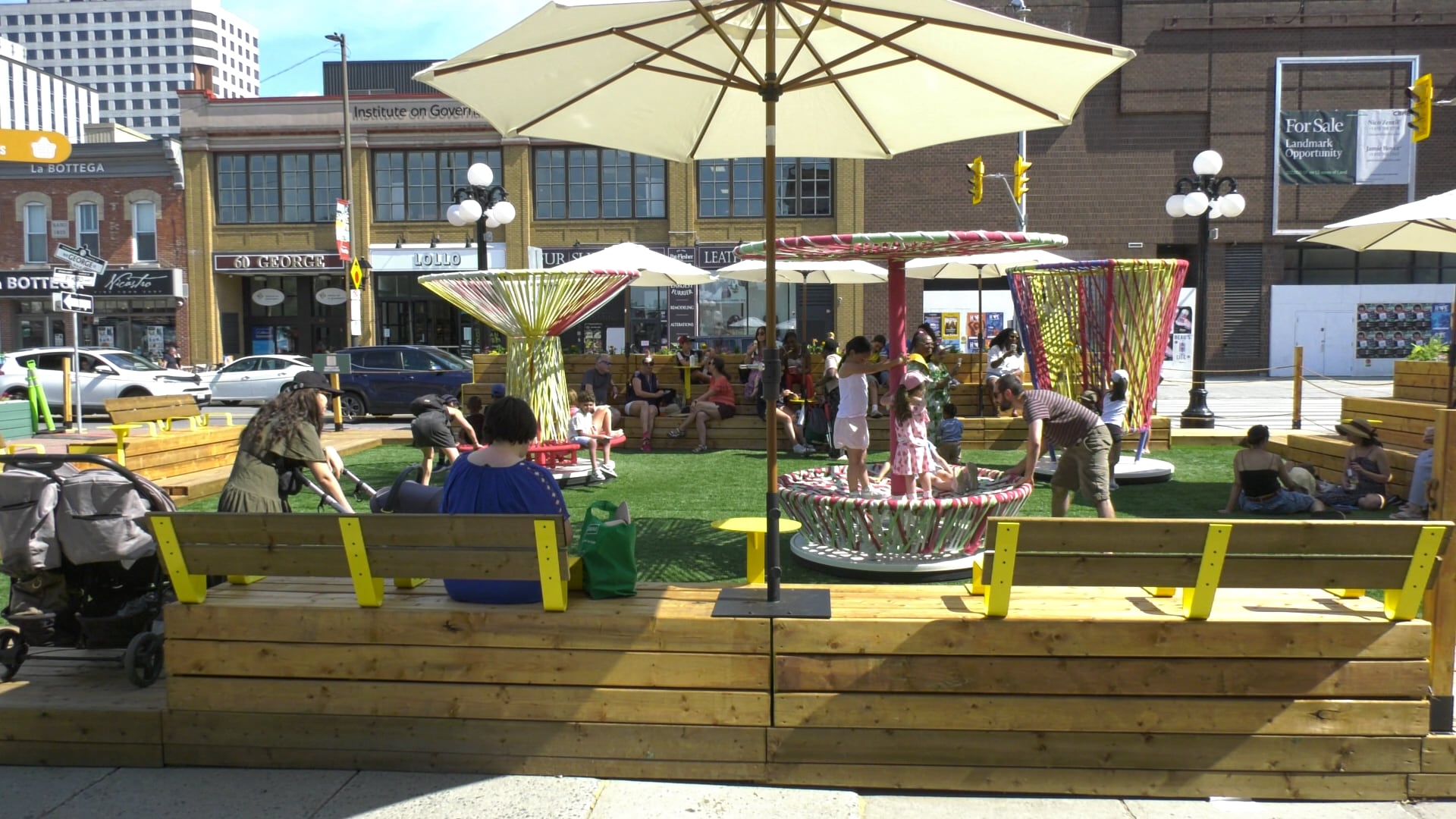
‘Beautiful, bright space:’ New public square looks to help revitalize the ByWard Market
Tourism
‘Beautiful, bright space:’ New public square looks to help revitalize the ByWard Market
 Tourism
GALLERY: Millarville Christ Church hosts Flower Festival
Tourism
GALLERY: Millarville Christ Church hosts Flower Festival
 Tourism
This downtown restaurant is the most fun you'll have eating ramen in Vancouver
Tourism
This downtown restaurant is the most fun you'll have eating ramen in Vancouver
More Local Coverage
Latest news Business
AI Market Trends: Q2 2026 Review and Forecast
Business
AI Market Trends: Q2 2026 Review and Forecast
 Politics
Powerful pro-life ad featuring boxing legend to air during final World Cup matches
Politics
Powerful pro-life ad featuring boxing legend to air during final World Cup matches